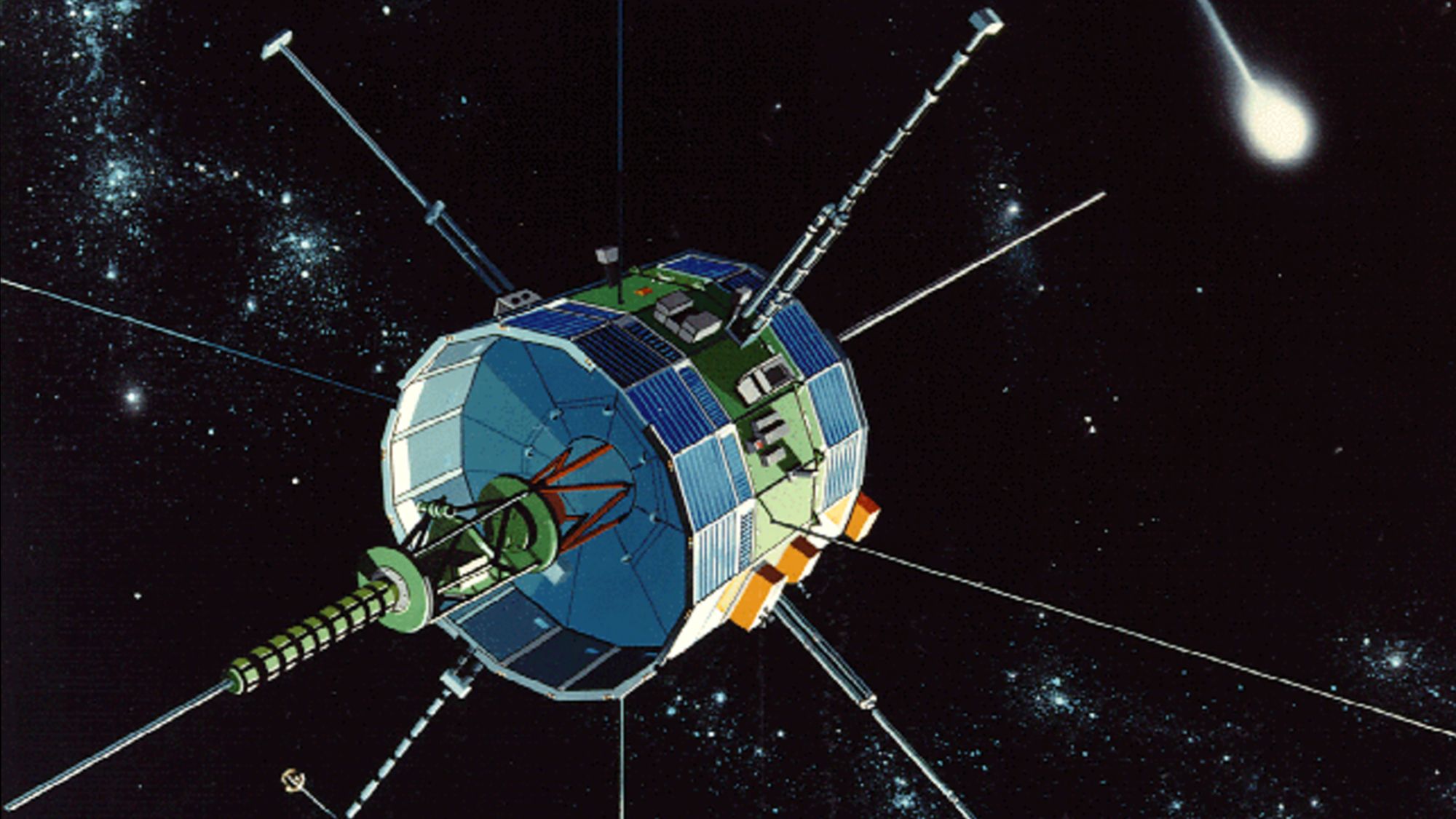
On September 11, 1985, the International Cometary Explorer (ICE) made history as the first spacecraft to fly by a comet. Initially launched in 1978 as the International Sun-Earth Explorer-3, ICE was part of a NASA, European Space Research Organization, and European Space Agency collaboration aimed at studying space weather, particularly the interaction between the Earth’s magnetic field and solar wind.
After completing its primary mission, ICE traversed to Comet Giacobini-Zinner, flying through its plasma tail and later making a second notable flyby of Halley’s Comet in 1986. The probe provided key data supporting theories that comets are essentially dirty snowballs and contributed important insights about cometary tails.
Although the mission officially ended in 1995, efforts to revive ICE were made in 2014, leading to a temporary activation of its systems. The spacecraft, which remains in orbit, is expected to return near Earth around 2031.
In parallel, September 11 holds somber significance in space history as well. In 2001, NASA astronaut Frank Culbertson, aboard the International Space Station, witnessed the tragic 9/11 terrorist attacks from above, noting the profound impact on observing devastation from space.


