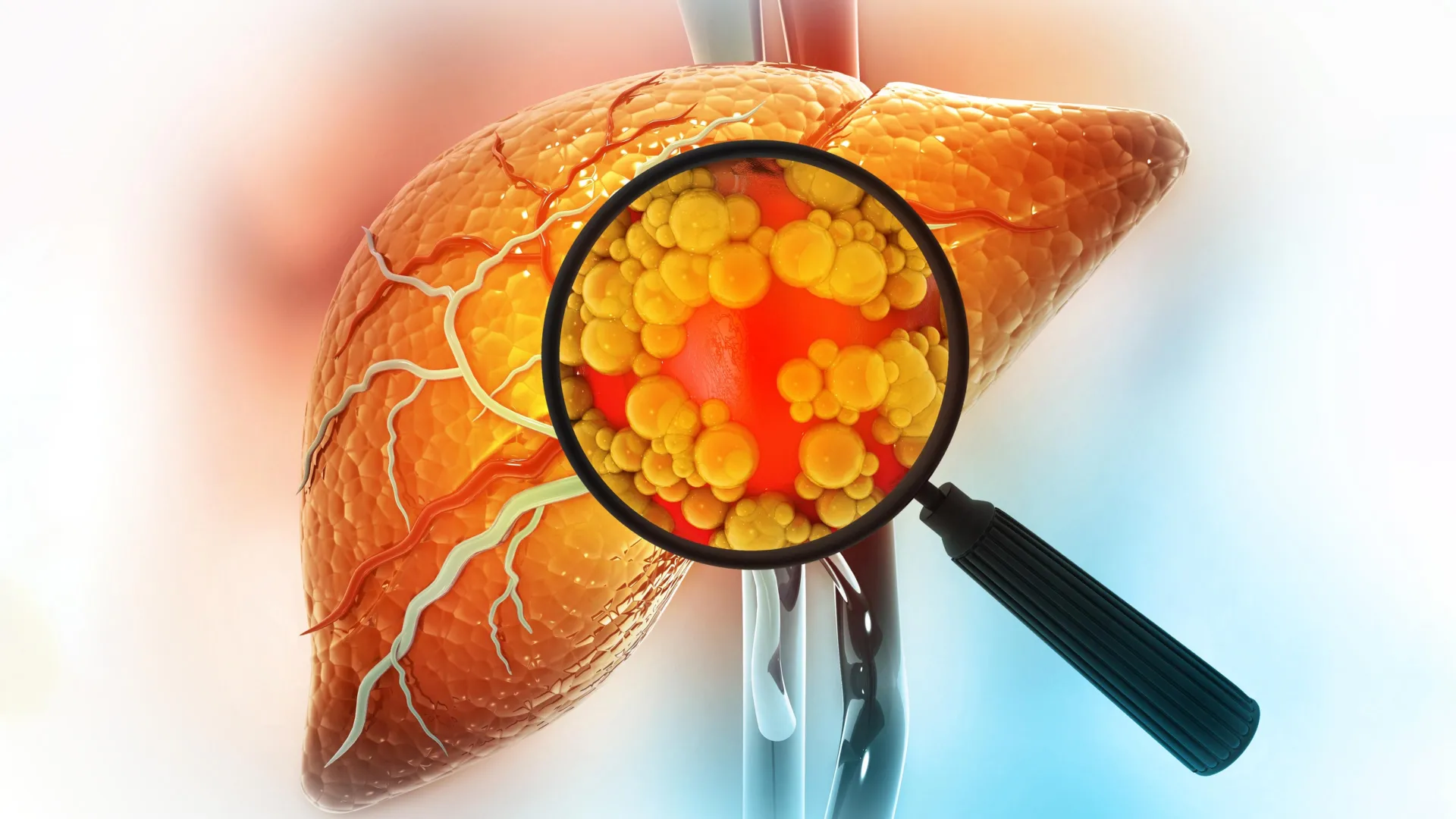
The new research suggests that sugar substitutes, especially sorbitol, may not be as harmless as previously thought. Sorbitol, a sugar alcohol found in many “low-calorie” foods and sweets, can be converted metabolically into fructose, which is linked to health issues like liver disease.
Key Points:
-
Metabolic Structure: Sorbitol is “one transformation away from fructose,” raising concerns about its potential health effects, particularly in the liver.
-
Production Routes: The body can produce sorbitol from glucose, and its impact may depend on individual gut bacteria. Some beneficial bacteria can degrade sorbitol, preventing it from causing harm.
-
Gut Bacteria Role: The presence of certain bacteria can influence whether sorbitol is adequately processed or becomes problematic when it reaches the liver.
-
Consumption Levels: While low levels of sorbitol may be safely managed by gut bacteria, higher intakes—either from food or excessive glucose consumption—can overwhelm those bacteria, leading to increased sorbitol levels in the body.
-
Broader Implications: The findings suggest that substituting sugar with alternatives like sorbitol may not eliminate metabolic risks, as these compounds can also impact bodily functions.
Overall, this research highlights that while sugar substitutes can reduce calorie intake, they may still carry metabolic consequences. Individuals should consider these factors, especially those with metabolic disorders, before relying on products containing sugar alternatives.