Venus’ Farewell as the Evening Star
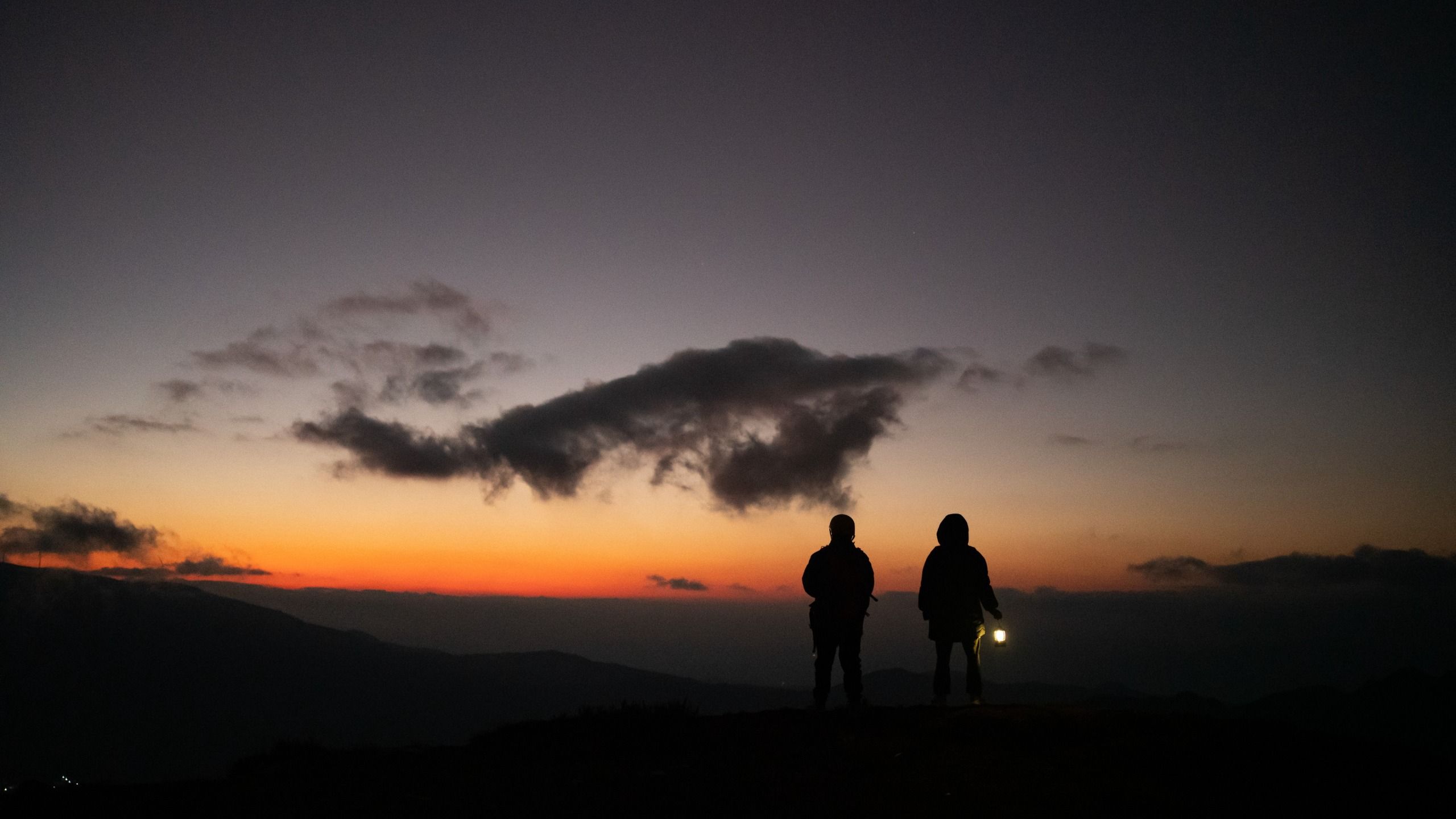
Soon, the radiant Venus, known as the “Evening Star,” will begin its transition as it sinks lower in the sky. Since late March, Venus has dazzled observers shortly after sunset, even hosting a remarkable three-planet formation in June, standing taller than both Jupiter and Mercury.
A Familiar Dance
Venus orbits the sun in a predictable rhythm, completing 13 rotations every 8 Earth years. From Earth, this cadence causes Venus to outline five distinct loops across the sky, a pattern recognized by ancient civilizations such as the Aztecs and Mayans.
Key Dates This Month
As September progresses, Venus will reach peak brightness but will also descend closer to the horizon:
- Sept. 7: Venus sets 1¼ hours after sunset.
- Sept. 14: A crescent moon will appear near Venus, about 5½ degrees to its left.
- Sept. 18: Venus shines at its brightest, with a magnitude of -4.8.
- Late September: The planet will set just 35 minutes after sunset.
A Low-Key Goodbye
Currently, this farewell is subtle. Unlike past years where observers were treated to high visibility, Venus stays low in twilight, making it hard to see. In mid-northern latitudes, it will only hover 5½ degrees above the horizon at the month’s close—a challenging target.
A Crescent World
With the aid of a telescope, Venus now displays a thin crescent shape. Its diminishing sunlit side offers a stunning view, although clear visibility may be hampered due to its low position.
The Morning Star Returns
By early October, Venus will disappear from the evening sky, reaching inferior conjunction on October 24, before re-emerging brilliantly in the morning sky in November. This ascent culminates just in time for the holiday season, lighting up the eastern sky as a bright “Christmas Star.”
For the latest astronomical insights, Joe Rao writes for publications like Natural History and Sky & Telescope.