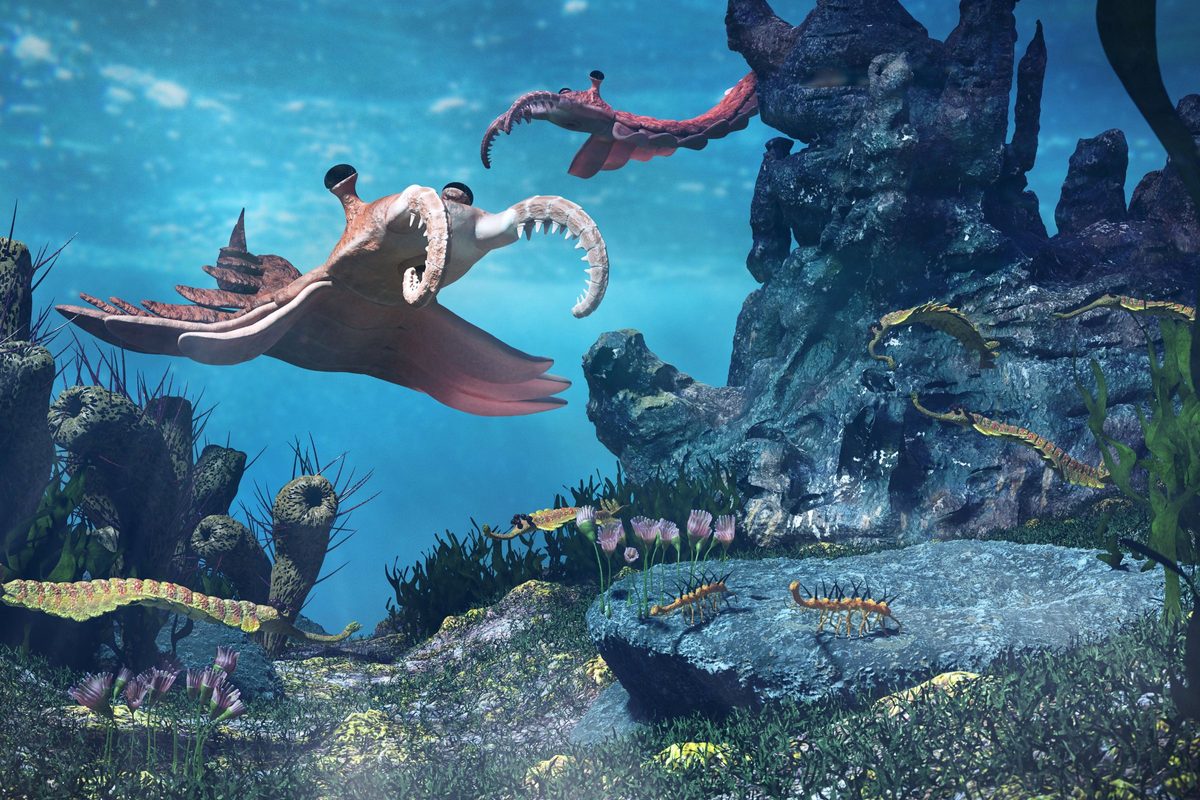
A recent study published in Trends in Ecology & Evolution suggests that an increase in excrement from early sea creatures may have played a pivotal role in the Cambrian explosion, a significant evolutionary period around 540 million years ago when many major animal groups emerged.
Researchers from Flinders University, led by Dr. Russell Bicknell, argue that the digestive waste, or “faecal revolution,” contributed to the diversification of marine life. As these primitive organisms evolved more sophisticated digestive systems, they released more nutrients into the oceans, enhancing ecosystem development during the Ediacaran and early Cambrian periods.
Fossilized dung, called coprolites, provides crucial insights into this evolutionary history, with their variety increasing significantly as the Cambrian period progressed. This aligns with the development of various feeding strategies, ultimately resulting in conditions similar to modern ecosystems where nutrient-rich environments support diverse life forms.
The study highlights that alongside rising oxygen levels, the impact of faeces on ancient ecosystems is often underestimated. The findings emphasize the complex interconnections between waste production, nutrient availability, and evolutionary advancements in marine life.