Discovery of the “Devil Flower” in Thailand
Scientists have recently identified a striking new species of leafless flowering plant called Thismia daemona, or the “devil flower,” found on the forest floor of Thong Pha Phum National Park in western Thailand.
Unique Characteristics
The plant belongs to the Thismia genus, popularly known as “fairy lanterns.” Notably, it lacks chlorophyll and does not perform photosynthesis. Instead, it absorbs nutrients from underground fungi, spending most of its life hidden beneath layers of leaf litter.
Surprising Find
Researchers from Chulalongkorn University and Prince of Songkla University made the discovery at an elevation of nearly 1,000 meters, which is atypical for this genus, as Thismia species are usually found in consistently humid lowland rainforests. This finding extends the known range of the group previously documented only in Peninsular Malaysia, Borneo, and Sumatra.
The Name “Devil Flower”
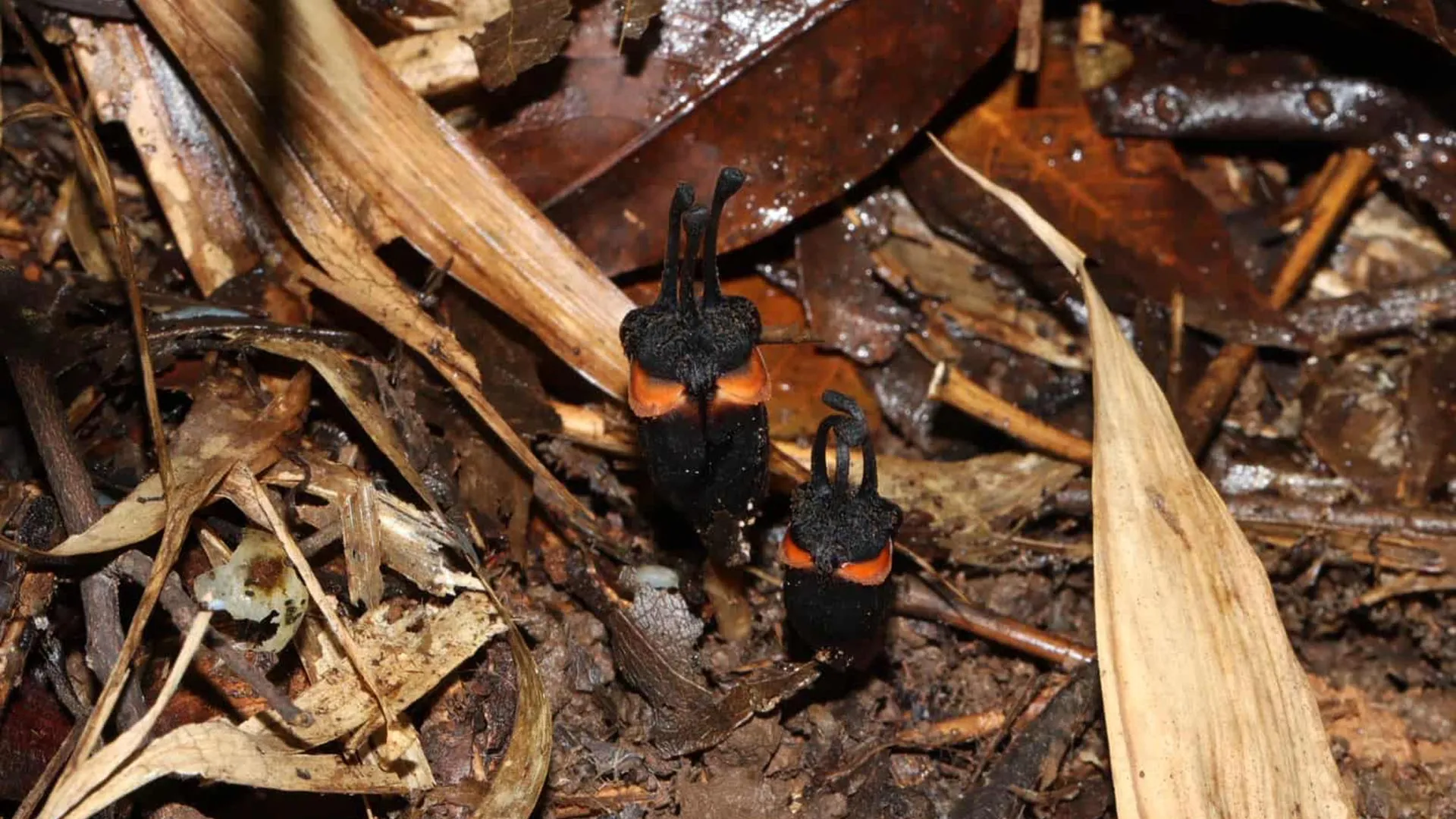
The plant’s dramatic appearance contributes to its name. The flower features a black center with horn-like appendages and reddish-orange patches that resemble glowing eyes. This unique look, combined with its elusive lifestyle, prompted researchers to choose the evocative name Thismia daemona.
Conservation Concerns
Despite its captivating appearance, Thismia daemona is critically endangered, with fewer than 50 known individuals in a confined habitat. The plant’s location within a national park that attracts significant tourist traffic poses additional threats.
Sustainable Conservation Efforts
Dr. Sahut Chantanaorrapint emphasizes the importance of involving local communities in conservation efforts. By fostering pride in their natural heritage, local populations can help protect this rare species and enhance sustainable, community-led ecotourism practices.
This discovery, published in the journal PhytoKeys, brings the total known species of Thismia in Thailand to sixteen.