Study Highlights High Parasite Infestation in Tuna
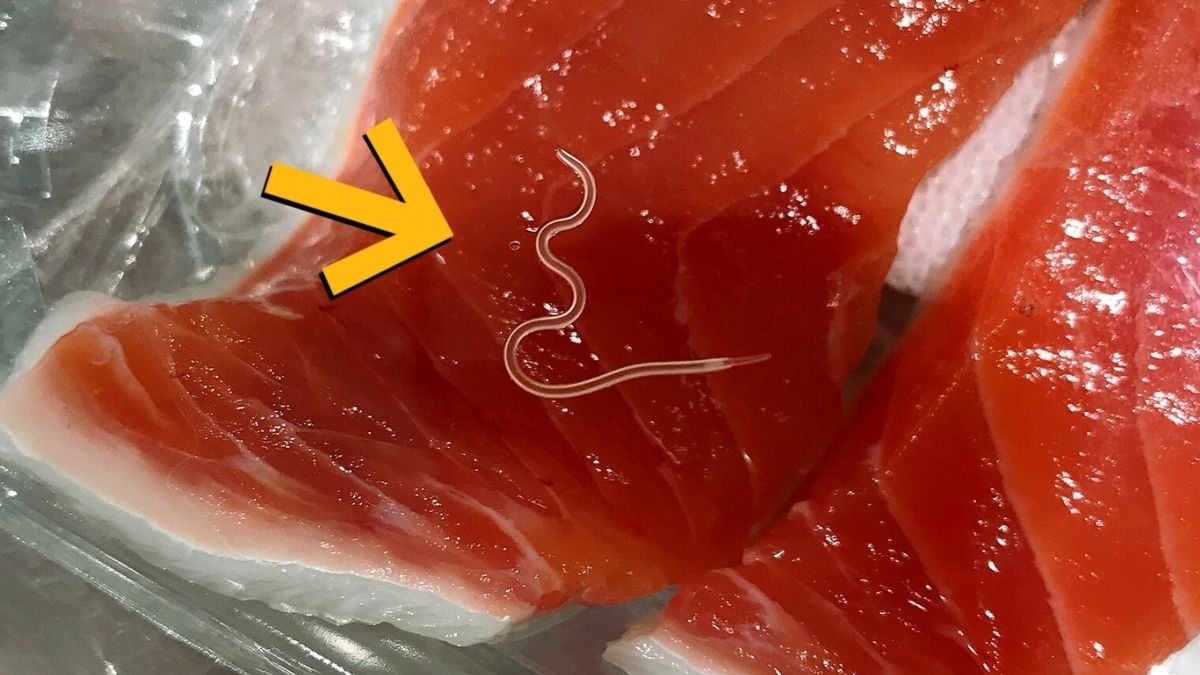
Recent research from the Federal University of Santa Catarina in Brazil has revealed alarming findings regarding the presence of parasites in tuna, specifically the skipjack tuna (Katsuwonus pelamis), which is commonly used for sashimi and canning. In an analysis of 53 locally caught fish, nearly all were found to be contaminated with parasitic worms, indicating a significant prevalence of these organisms in this species.
Key Findings
- Infection Rate: 96% of the analyzed fish were infected by parasites, with over 1,600 worms counted in total.
- Affected Organs: The intestines showed the highest level of infection, followed by muscle tissue (the part we typically consume) and stomach. Remarkably, the only organs free of parasites were the kidneys and heart.
- Types of Worms: The study identified two main genera of worms responsible for the infections: Trypanorhyncha and Anisakis.
The researchers emphasized the importance of sanitary inspection and immediate evisceration after catch to minimize the migration of worm larvae from the intestines to the muscle tissue.
Implications for Consumers
Although parasitic worms are common in fish, visible parasites are often removed during processing. The risk of human infection from these parasites is generally low, especially when fish is properly cooked. However, undercooked or raw fish can pose a risk of gastrointestinal symptoms if certain species of Anisakis latch onto the human intestinal wall.
Broader Context
An increasing frequency of parasites in seafood has been noted, with a 2020 study highlighting a 280-fold increase in Anisakis worms found in raw seafood since the 1970s. This trend raises questions about the overall health of marine ecosystems and the impact of improved marine mammal conservation on the prevalence of these parasites.
Conclusion
While encountering parasites in fish isn’t unusual, their presence serves as a reminder of the intricate food webs in our oceans. Consumers are advised to be mindful of preparation methods, as thorough cooking can eliminate potential health risks. More extensive research is necessary to better understand parasite dynamics and their implications for the fishing industry worldwide.
For further insights, the full study can be accessed in Ocean and Coastal Research here.