The recent comparison between Tesla’s Cybertruck and the upcoming Range Rover Electric highlights two very different approaches to launching high-end electric vehicles in a challenging market.
Cybertruck: A Lesson in Pricing and Demand
- Initial Promises vs. Reality: Tesla’s Cybertruck was touted with an entry-level price of $49,900, but the actual launch saw the Foundation Series priced at $119,990 due to production delays and rising costs.
- Sales Decline: After a promising start with nearly 39,000 units sold in 2024, sales plunged by 48% to roughly 20,000 in 2025, and the trend continued into 2026.
- Market Perception: Criticism about both the vehicle’s quality and pricing strategy has overshadowed its potential, leading Bloomberg to label it “the biggest flop in automotive history.”
Range Rover Electric: Striking a Balance
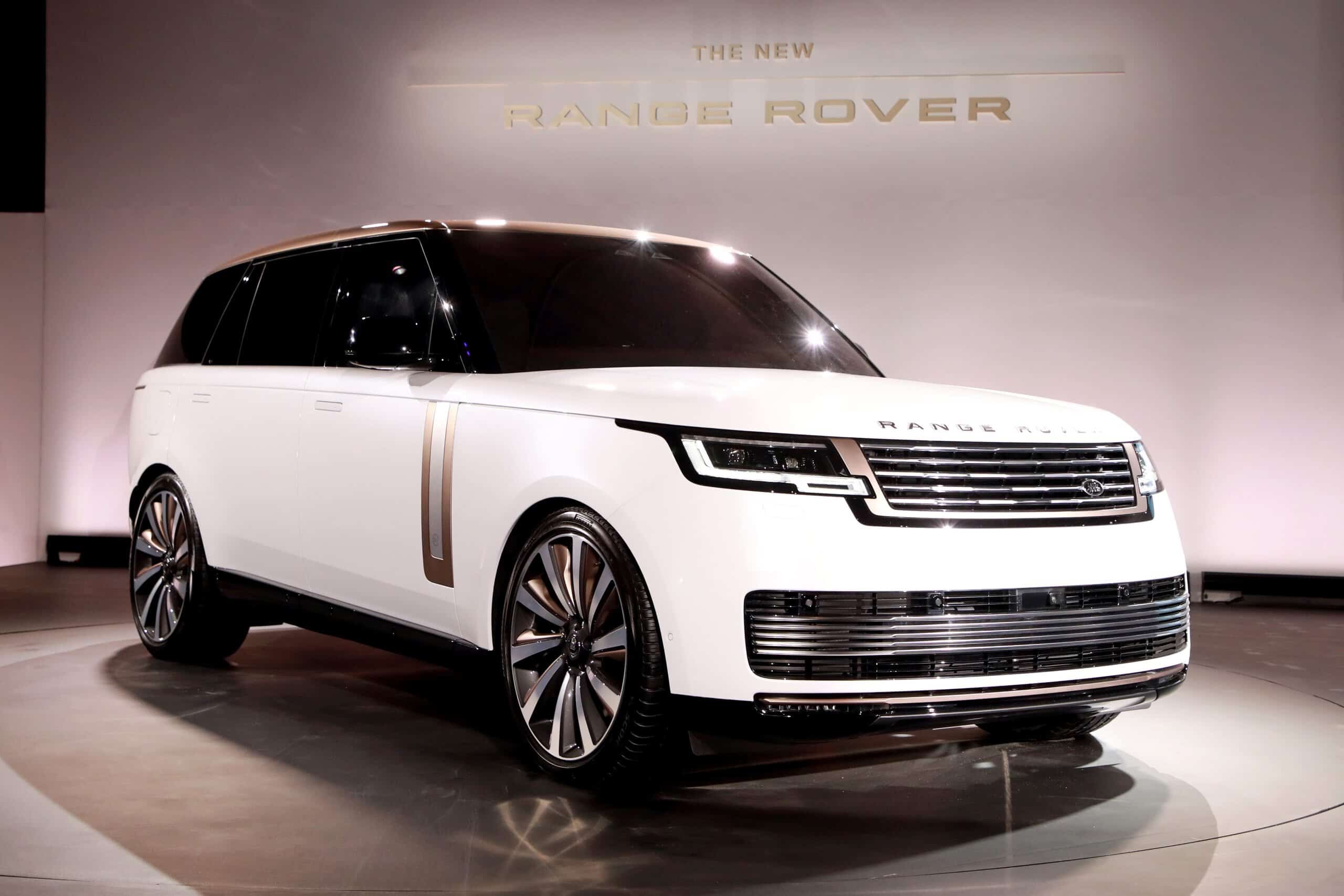
- Heritage and Market Positioning: Unlike the Cybertruck, the Range Rover Electric leverages decades of luxury branding and off-road expertise. Priced at $138,000, it aims to attract buyers seeking prestige and performance.
- Technical Specifications: With a robust dual-motor system and a sizeable battery, it promises impressive performance and adheres more closely to consumer expectations for luxury vehicles.
- Defensive Pricing Strategy: The true test will involve how Jaguar Land Rover manages its price against potential inventory issues and market demand. As inventory builds, holding the price steady will be crucial.
Conclusion
The success or failure of the Range Rover Electric could provide valuable insights into whether established luxury brands can thrive in the EV sector, where Tesla currently struggles. While the Cybertruck demonstrates the pitfalls of aggressive pricing without consumer backing, the Range Rover emphasizes the importance of brand heritage and market expectations as it enters the luxury EV space.