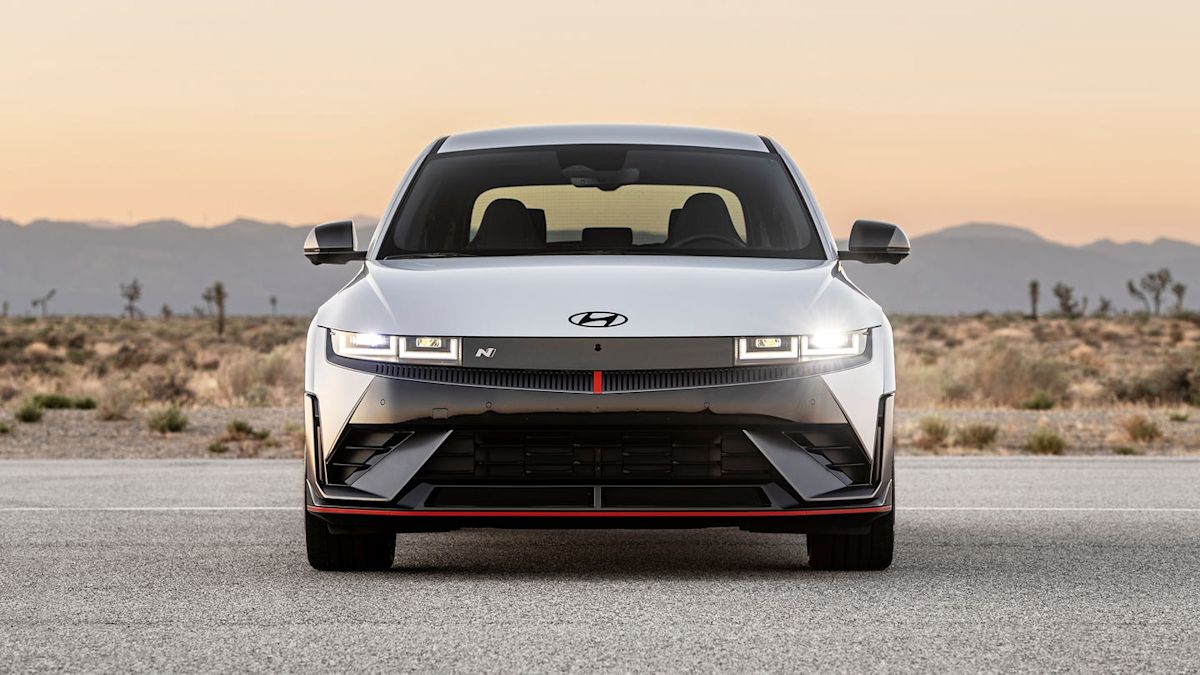
Hyundai’s journey from a quiet ambition in the early ’90s to claiming a major position in the global automotive market is remarkable. With a goal to be one of the top ten automakers, Hyundai now ranks second in revenue and third in sales by 2025.
The secret ingredient? Hyundai’s “power of the group,” as explained by president and CEO José Muñoz. The company boasts 50 affiliates producing a wide range of products, allowing for unmatched vertical integration in the automotive industry. This structure enables Hyundai to respond to business challenges more swiftly than competitors, with Muñoz highlighting their role as “pioneers” rather than “fast followers.”
A notable example of this adaptability is Genesis, Hyundai’s luxury division. Initially set to be fully electric by 2030, the brand is now expanding to include advanced plug-in hybrids and new internal combustion technologies, keeping existing programs while adding new ones. Hyundai is investing in dedicated production lines for Genesis hybrids, further enhancing its manufacturing capabilities.
Unlike traditional luxury brands, which often share platforms with their mass-market counterparts, all Genesis models feature unique rear-drive platforms. This allows for better design and performance, showcasing the advantages of Hyundai’s integrated approach.
As consumer demand for electric vehicles fluctuates, Muñoz remains optimistic about future automotive electrification, emphasizing the company’s ability to pivot according to market needs. His strong leadership and the company’s well-established infrastructure offer a promising outlook for Hyundai’s continued growth in an evolving industry.