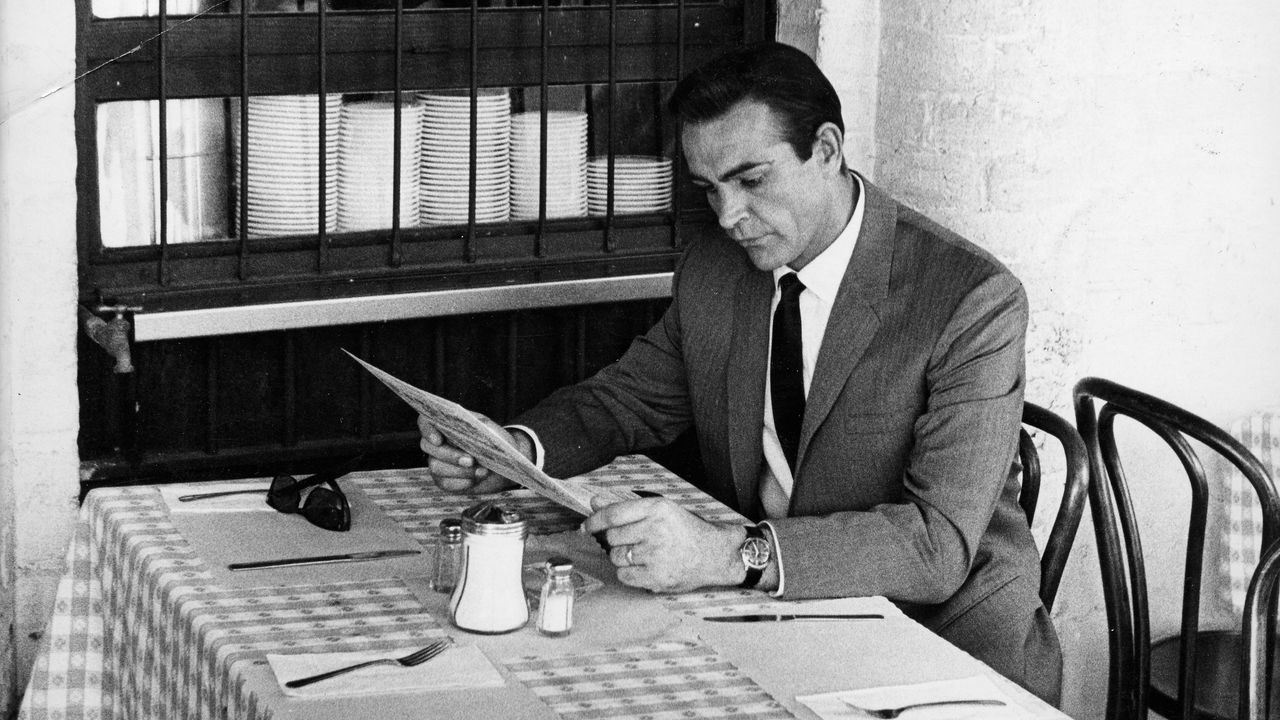
The timing of dinner can significantly influence both health and lifestyle. Here’s a summary of key points to consider:
-
Cultural Eating Patterns: Different cultures have varied dinner schedules, with Americans typically eating earlier, while Italians and Spaniards tend to dine later.
-
Health Recommendations: Health experts like Valter Longo suggest finishing dinner at least three hours before bedtime. Eating too close to sleep can disrupt circadian rhythms, affecting sleep quality and calorie burning.
-
Time-Restricted Eating: This approach emphasizes the fasting period between dinner and breakfast. Longer fasts can promote fat burning and improve metabolic health.
-
Eating Schedule Optimization: Research indicates that eating earlier, rather than later, may provide more health benefits. Many centenarians opt for a light dinner, allowing for a 12-hour fast until breakfast.
-
Realistic Eating Patterns: Although the ideal is to eat a substantial breakfast, many people find it challenging due to morning routines. However, eating later in the day isn’t inherently problematic if balanced with healthier meals and snacks the following day.
-
Exercise Considerations: For those engaging in physical activity, especially resistance training, a nutrient-rich dinner can aid muscle recovery.
In conclusion, while earlier dinners with a focus on light meals are recommended for health benefits, it’s essential to find a schedule that fits individual lifestyles, ensuring nutritional needs are met without stress.