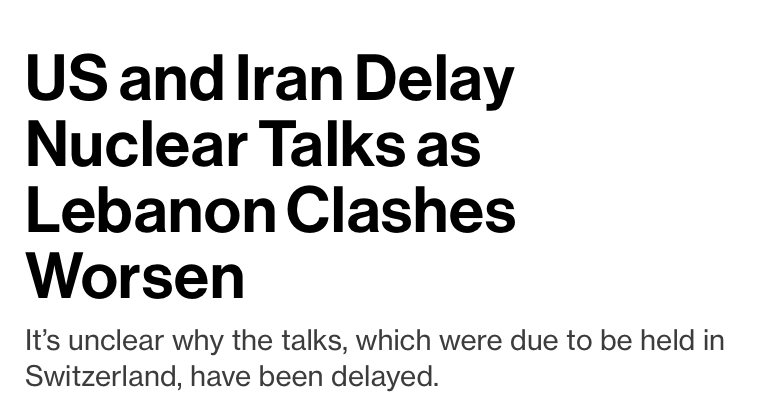
In the latest developments surrounding the tensions in Iran and its negotiations with the U.S., discussions have faced significant setbacks due to ongoing Israeli military actions in Lebanon. This report presents the current state of affairs, outlining the complexities at play and the challenges both nations may confront as they navigate these negotiations.
Current Situation in Negotiations
Despite the narrative promoted by U.S. officials and echoed by Western media—that talks regarding the Iran war in Switzerland are merely delayed—it has been reported by Iranian sources that these discussions have been suspended. This decision aligns with Iran’s concerns over continuous Israeli assaults in Lebanon. Professor Marandi highlighted in a recent discussion with Judge Napolitano that Iran has been prepared to retaliate militarily but appears to be exploring non-kinetic responses first.
Challenges in the Dialogue
The situation is further complicated by the U.S.’s inability to deliver on certain key terms that Iran views as crucial, particularly the proposed $300 billion reparations fund. JD Vance has attempted to clarify this by suggesting it could involve individual investments by Gulf States in Iran. However, there has been little movement toward securing large investment firms like BlackRock to raise funds, similar to efforts that were unsuccessful in Ukraine, where ownership stakes were expected in return.
Aurelien has raised a pertinent point regarding U.S. commitments to lift all sanctions, including the controversial “snapback” sanctions enacted by the E-3 nations. The question remains whether the U.S. can persuade the UK, France, and Germany to agree on this matter. My suspicion is that they will, albeit possibly at a significant hidden cost to the U.S.
Potential Outcomes of Failed Talks
The trajectory of these negotiations is currently uncertain, with the potential failure of talks becoming increasingly likely. The Memorandum of Understanding (MOU) allowed for several concessions to Iran, yet Vance has indicated that the U.S. expects Iran to act before fulfilling its own commitments, such as unfreezing assets and easing sanctions. Iran has expressed that its overwhelming distrust necessitates concrete actions from the U.S. first, indicating procedural hurdles before they can even address substantive issues.
There are mainly two possible fallback scenarios if the talks collapse. The first could involve the U.S. using the negotiation failure as an opportunity to withdraw, framing it as a preferable outcome compared to reaching a “deal.” In such a scenario, Iran would not receive sanctions relief or access to its frozen assets and would maintain its current stance on its nuclear program, while the conflict between Israel and Iran intensifies. However, this option would likely not be acceptable to Iran, which would demand at least some waivers for oil sales. Would this situation lead Iran to once again threaten the closure of the Strait of Hormuz?
The second fallback option could involve a slimmed-down agreement, one that excludes certain elements such as the unenforceable $300 billion fund, in exchange for additional concessions from the U.S., such as a substantial reduction in its military presence in the Middle East.
The Urgency of Resolution
It is crucial to recognize that the status of Iran and the Strait of Hormuz cannot remain unresolved for an extended period. Historical precedent, such as the Vietnam War, indicates that prolonged negotiations have dire consequences, especially when factors like dwindling oil reserves come into play. If I were in Iran’s position, I would prioritize getting as many tankers as possible beyond the U.S. blockade and may even consider threatening to shut the Strait down again, which would undoubtedly provoke significant anxiety among shipping firms.
Cancellation of Iran’s Talks with the U.S.
According to Al Mayadeen, the Iranian delegation had initially intended to travel to Switzerland for negotiations, scheduled to last for 60 days. However, the ongoing Israeli military operations in southern Lebanon prompted this delegation to reconsider, making it clear that the situation would directly impact the progress of talks.
An informed source stated that Tehran had communicated to all parties that the situation in Lebanon is crucial to the negotiations, indicating that ongoing Israeli operations represent a violation of the MOU.
The Implications of Israeli Actions
Subsequently, reports from International Business Times have noted that Iran’s negotiation efforts have effectively collapsed before they began due to Israel’s military strikes.
The fragile 60-day initiative to reignite high-stakes talks has reportedly failed, with Tehran halting preparations for its delegation’s journey to Switzerland. Iranian and regional sources have reported that the current conditions render the process ‘void.’
The Threat of Withdrawal
Iran’s intentions to reconsider its commitments appear serious. Reports indicate that Israel has intensified attacks in Lebanon, disregarding U.S. requests to show restraint. The Supreme National Security Council of Iran stated that any breach of the MOU by the U.S. will be met with a countermeasure, underscoring a total distrust of the “treacherous” enemy.
Continued Hostilities
As tensions persist, Israeli Prime Minister Benjamin Netanyahu remains firm on Israel’s military objectives in Lebanon, asserting that operations will continue under the guise of maintaining security. Netanyahu has made it clear that any violation of ceasefire agreements will be met with considerable force from Israel.
“Israel will remain in the security zone in southern Lebanon as long as necessary for the protection of our communities in the north,” Netanyahu stated.
All Eyes on the Strait of Hormuz
Significantly, Iranian warnings have emerged, indicating possible closure of the Strait of Hormuz if military actions against Iran persist. The situation calls into question all future negotiations and agreements, especially with Israel’s ongoing military presence in Lebanon.
As we navigate through these complex geopolitical dynamics, it is evident that time is not an advantage for any party involved. The choices made in the coming days will shape the future landscape of relations in the region.

