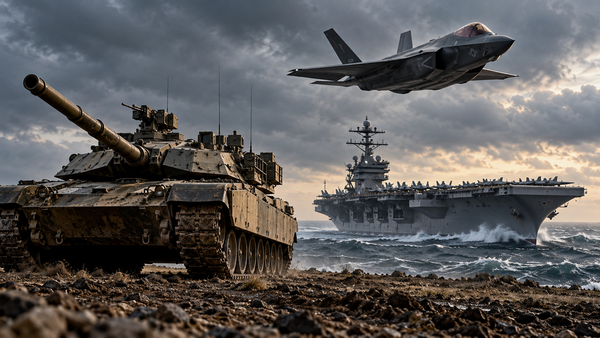
Impact of the Closure of the Strait of Hormuz: A Deep Dive into the Systemic Effects and Challenges for US Intervention
The geopolitical tensions in the Strait of Hormuz have far-reaching implications that extend beyond immediate military concerns. The closure of this critical waterway would not only disrupt global oil supply chains but also highlight the limitations of the United States’ capacity to effectively intervene in such crises. In light of recent events, it is crucial to explore these systemic impacts and the responses from the Trump administration.
The Strategic Importance of the Strait of Hormuz
The Strait of Hormuz is a vital maritime route, through which a significant portion of the world’s oil supply passes. Its closure could lead to a spike in oil prices and significant economic instability worldwide.
- Approximately 20% of global oil consumption transits through this narrow passage.
- Blocking the strait could create immediate shortages, affecting everything from transportation to manufacturing.
- The potential for military conflict in the region could escalate tensions further, impacting global markets.
Challenges for US Intervention
Despite its military presence in the region, the United States faces considerable challenges in effectively responding to a closure of the Strait of Hormuz. Various factors complicate this situation:
- Diplomatic Limitations: The complexity of regional politics can hinder the US from forming a unified front with allies.
- Logistical Constraints: The military might not have the resources readily available to enforce a reopening of the strait.
- Domestic Considerations: Increasing isolationist sentiments among the American public may restrict the government’s willingness to engage in foreign conflicts.
Actions by the Trump Administration
The Trump administration’s strategies have drawn criticism as they appear increasingly reliant on military force rather than diplomatic resolutions. Decisions made during this time reflect a chaotic approach to international relations.
- Threats of Military Action: The administration has made several threats to use military force, which may destabilize the situation further.
- Sanctions and Economic Pressure: There is a focus on using economic sanctions against Iran, which may backfire by pushing Iran into a corner and escalating tensions.
Conclusion
The closure of the Strait of Hormuz presents complex challenges that require careful consideration. The United States must navigate this precarious situation by balancing military strength with effective diplomacy. Understanding the systemic impact of such a closure is fundamental for crafting a comprehensive response that ensures global stability while minimizing the risk of conflict.