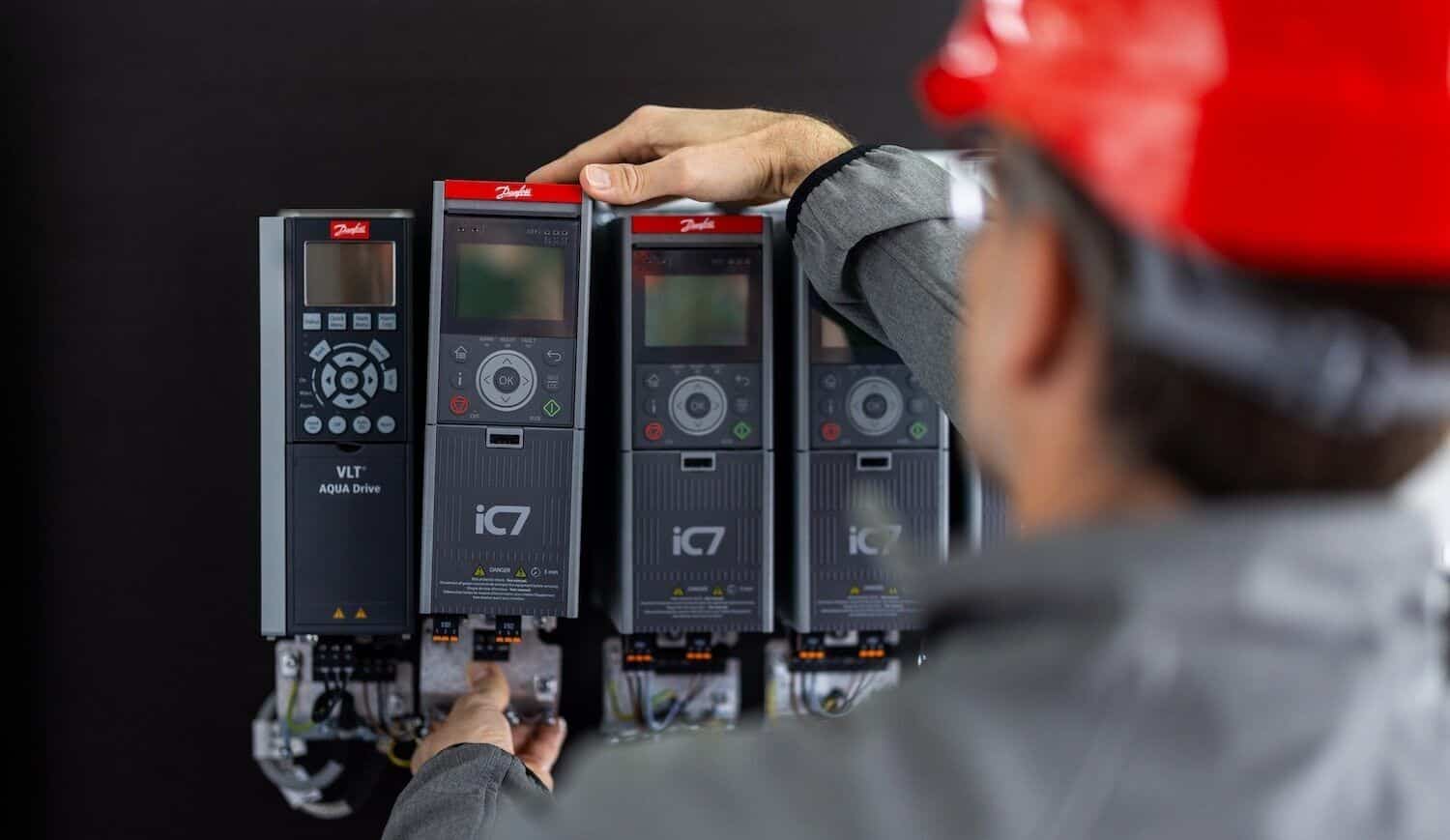
The article discusses the significant potential for energy savings in factories and commercial buildings through the use of Variable Frequency Drives (VFDs), as demonstrated by a 2015 upgrade at Toyota’s Georgetown factory. The installation of VFDs allowed electric motors to adjust their speeds based on demand, resulting in annual savings of over $700,000 and reducing electricity consumption by 2.6%.
In the U.S., about 52 million motor systems consume approximately 29% of the nation’s electricity, often running inefficiently. Scientists believe implementing VFDs across industries could alleviate energy waste, accommodate rising demand, and lessen strain on the power grid.
The physics behind VFDs shows that reducing motor speeds can significantly cut energy usage—in some cases by as much as 60%. Current adoption of VFDs is limited, with only 16% of industrial motor horsepower utilizing them, presenting a substantial opportunity for improvement.
A 2022 analysis estimated adopting VFDs could save about 115 terawatt-hours of electricity annually, amounting to potential savings of $13.2 billion. Barriers to wider adoption include upfront costs, operational disruptions, and a preference for cheaper initial equipment.
Advancements in technology are paving the way for easier VFD installations, and initiatives are being put in place to promote their use. The idea of “offset your own power” suggests that technology companies could assist factories in upgrading their systems to balance growing electricity demands from data centers without building new power sources.
Overall, the article highlights the urgent need for smarter motor use and energy efficiency measures as essential strategies for addressing rising electricity consumption, particularly in light of increasing data center demands.


