Starfish Space Launches Otter Satellite-Servicing Vehicle
Tukwila-based Starfish Space successfully launched its first Otter satellite-servicing vehicle into orbit aboard a SpaceX Falcon 9 rocket from Vandenberg Space Force Base in California on October 1.
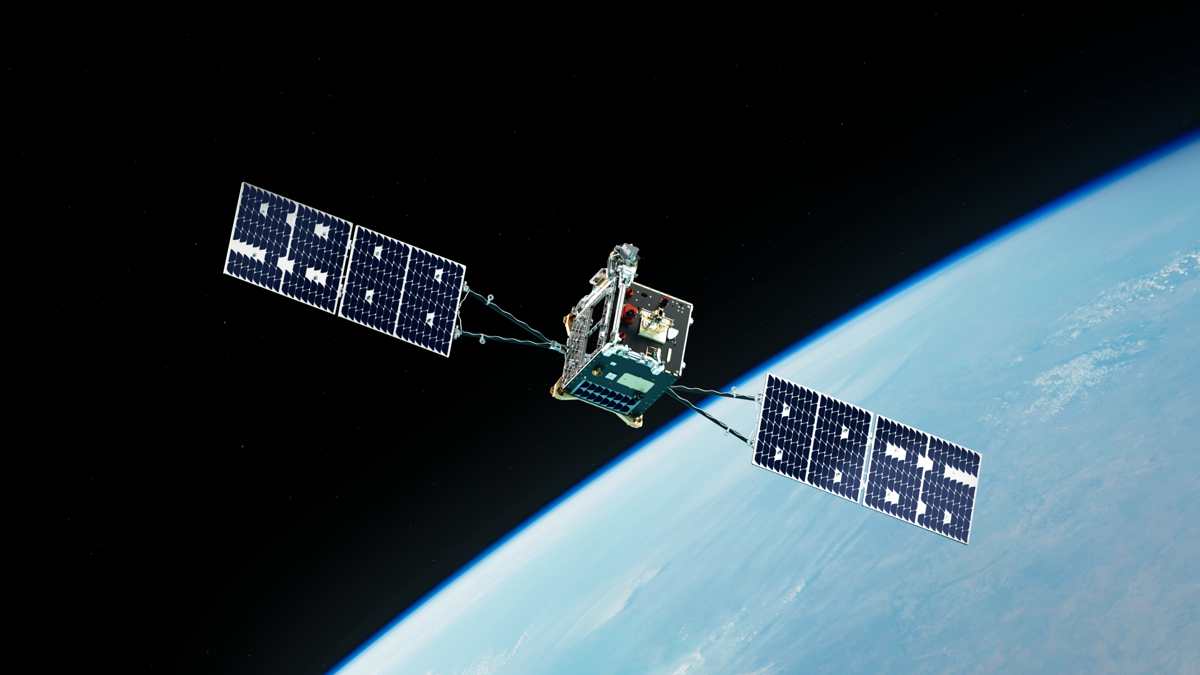
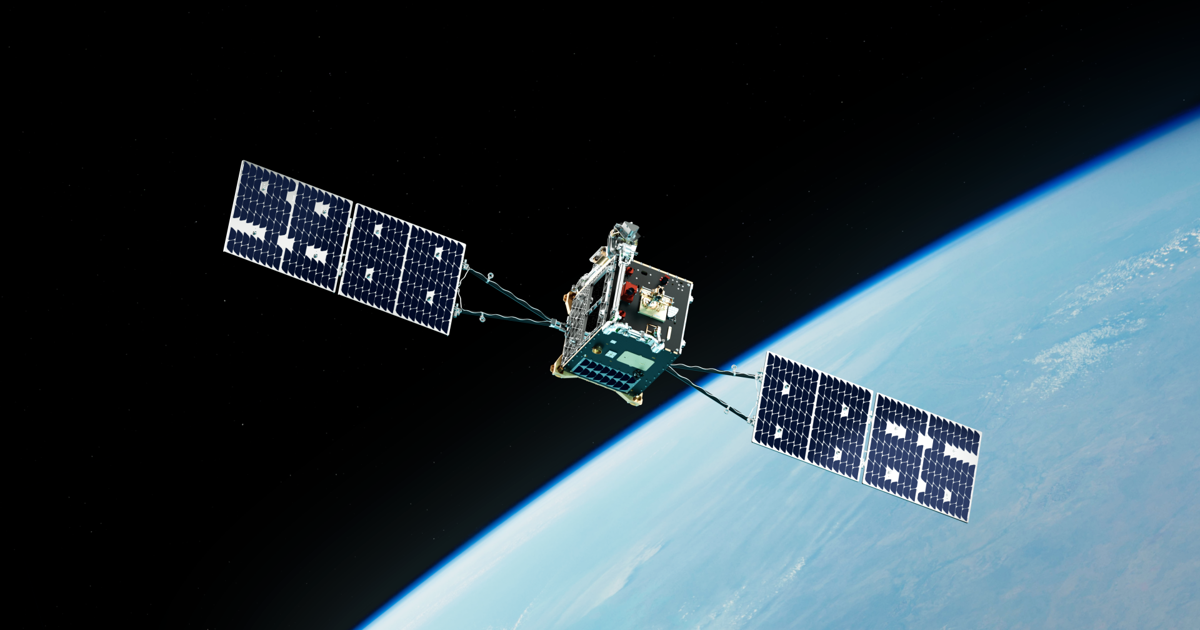
This rendering shows the Otter satellite-servicing vehicle in space. Images courtesy of Starfish Space.
The launch was part of the Transporter-18 rideshare mission, and Starfish celebrated the moment with a digital billboard in Times Square that congratulated the company for its achievement.
Mission Purpose
Starfish Space’s Otter is designed for:
- Life-extension missions for geostationary satellites
- Disposal missions for low Earth orbit satellites
The first Otter spacecraft will conduct NASA’s Small Spacecraft Propulsion and Inspection Capability (SSPICY) mission, which involves inspecting various inoperable satellites in low Earth orbit.
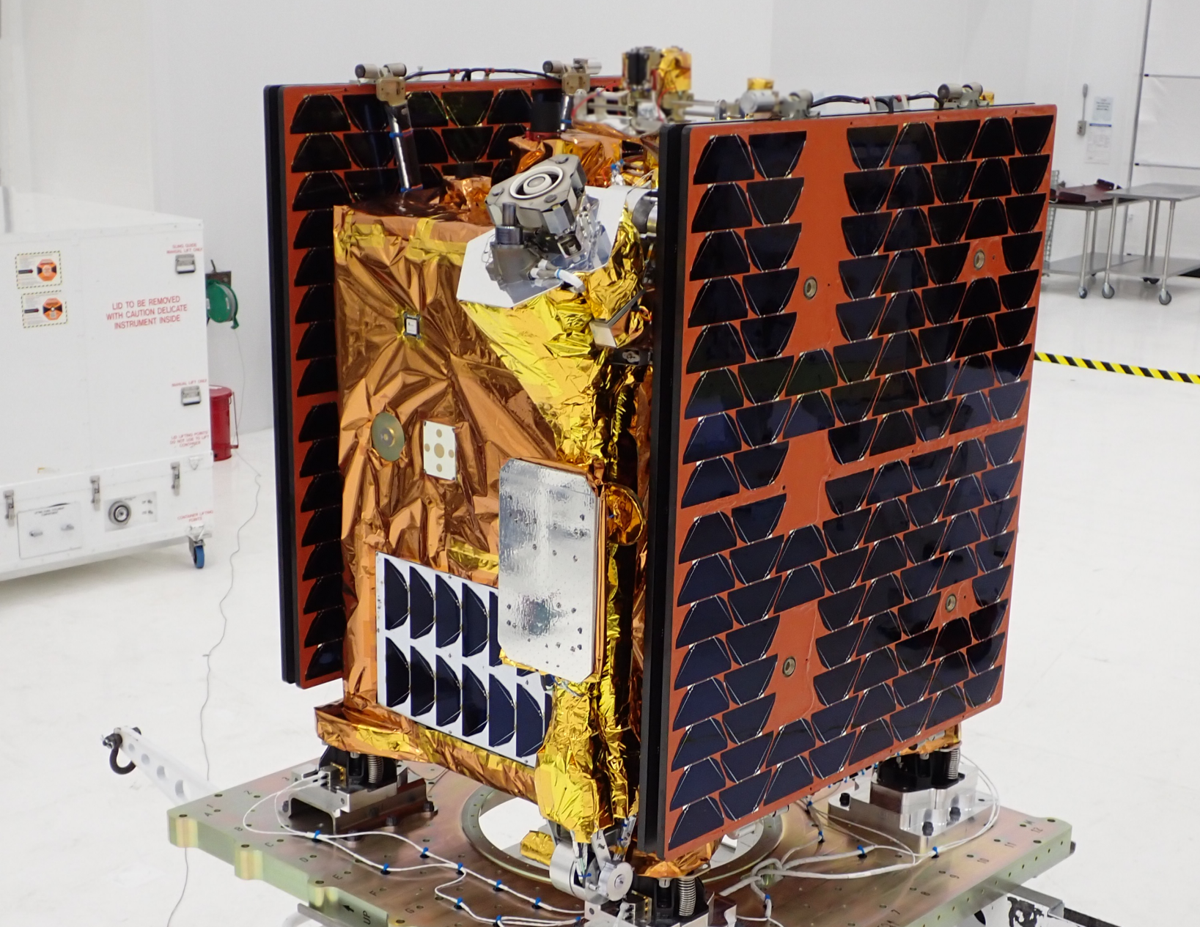
Starfish Space’s Otter satellite is seen before it was loaded into the Falcon 9 fairing. The orange and black panels are solar panels that unfold in space.
Innovations and Future Goals
According to co-founder Austin Link, the launch marks a significant milestone for Starfish, transitioning from design to active service. The Otter aims to make it routine for spacecraft to be serviceable after launch, which could revolutionize satellite design and operation.
Trevor Bennett, another co-founder, emphasized the need for infrastructure to support humanity’s ambitions in space, stating, “If we can make spacecraft serviceable, it opens up entirely new ways of operating and sustaining them.”
NASA’s Plans
After its successful launch, NASA noted that Otter will conduct inspections of up to four U.S.-origin satellites beginning in 2027, with the mission expected to last about two years. The technology will also include a new propulsion system and autonomous guidance for safe approaches to satellites.
With Otter, Starfish is working towards building the orbital infrastructure necessary for sustainable human expansion into space.


