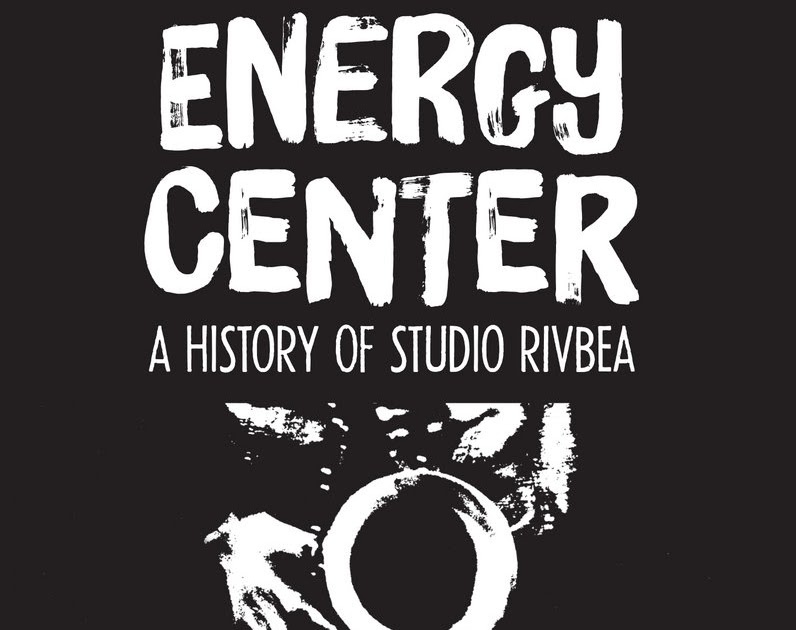
This text captures the vibrant artistic and cultural scenes of the 1970s in New York, particularly focusing on the Loft Jazz movement centered around Studio Rivbea. Ferruccio Martinotti paints a lively picture of a community of artists—musicians, writers, and performers—who transformed abandoned spaces into creative hubs.
Key Points:
-
Historical Context: The text places Loft Jazz within a larger historical panorama, referencing influential cultural hubs like Paris in the 1920s, the Bauhaus, and later punk scenes.
-
Community-Centric: The emphasis is on community and freedom, highlighting how artists like Sam Rivers and others created a reality outside the mainstream.
-
Significance of Studio Rivbea: Rivbea is portrayed as a central haven for creative expression, with influential figures and projects emerging from it. The Wildflowers albums are noted as essential recordings from this era.
-
Documentation and Preservation: Ed Hazell’s book “Energy Center” is highlighted as the definitive history of Studio Rivbea, providing both personal narratives and extensive sessionography.
-
Visual Elements: The book not only conveys the musical history but also features a rich collection of photographs and other visual memorabilia, enhancing the narrative.
-
Legacy: The Loft Jazz movement is positioned as a crucial part of the New York music scene, with ongoing efforts to document and celebrate its significance through new releases and scholarly work.
Conclusion
The text serves as both an informative overview of a pivotal movement in American jazz and a heartfelt tribute to the creativity and community that defined Loft Jazz. For anyone interested in this cultural history, particularly in music and artistic collaboration, “Energy Center” appears to be an invaluable resource.


