Wavy Designs for Hurricane Resilience
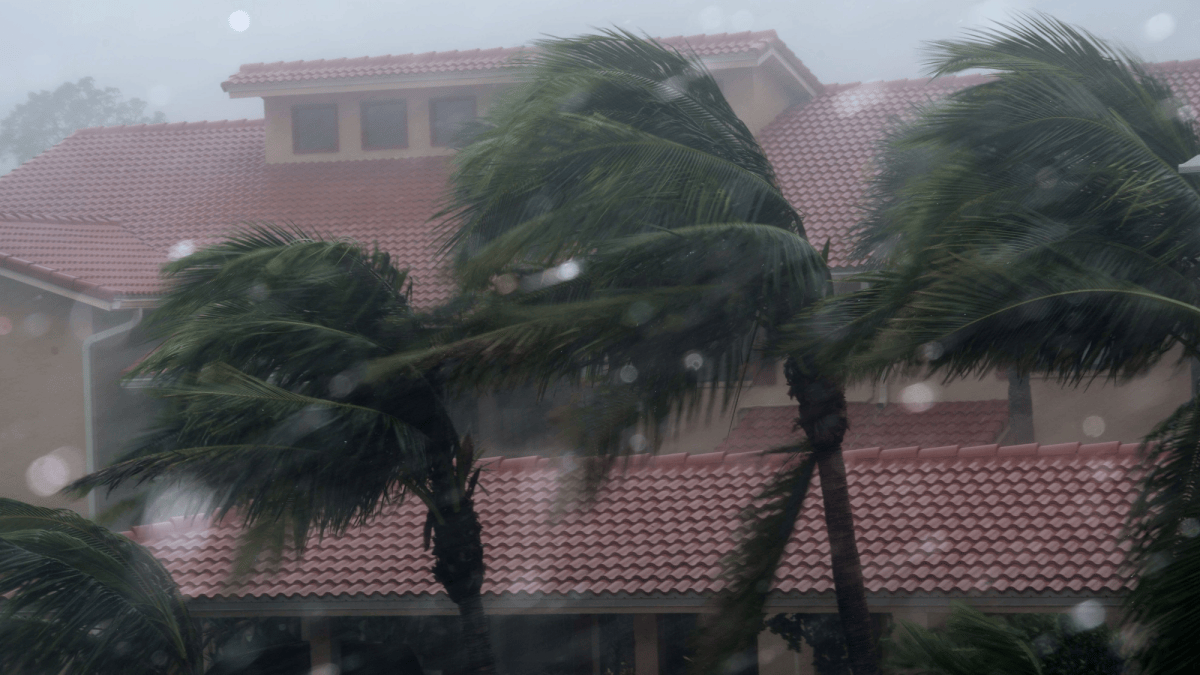
As residents along the northern Gulf Coast prepare for the rapid intensification of Hurricane Isaias, discussions about building resilience against such storms have taken center stage. The Congressional Budget Office estimates that hurricane-force winds and related flooding lead to approximately $34 billion in damage annually for U.S. households. Conventional construction techniques to mitigate wind damage, like rounded corners and reinforced walls, can be prohibitively expensive. However, researchers from Florida A&M University and Florida State University are exploring innovative, cost-effective alternatives.
Design and Experimentation
In a recent study published in Engineering Structures, the team experimented with 3D-printed models of low-rise buildings featuring wavy roofs and walls. By testing these models in a wind tunnel, they discovered that the designs with deeper waves significantly reduced peak wind pressure at critical corners and edges, which are typically vulnerable to damage. The wavy structures could emerge as viable options for communities bracing for increasingly powerful storms.
Findings and Implications
Pedro Fernández-Cabán, a civil engineer and co-author of the study, emphasized the potential of these nonconventional shapes to minimize damage from severe weather. The experiments involved varying wave amplitudes—5%, 7.5%, and 10% of the building height—and all wavy models exhibited reduced wind load compared to their flat counterparts. The deep-wave design demonstrated a notable reduction in wind pressure of up to 60%, indicating significantly less potential damage during hurricanes.
Mechanics of Wind Flow
The study also clarified how the wavy design affects wind dynamics. On flat surfaces, wind can separate and create one large vortex, resulting in a marked drop in pressure and potentially catastrophic suction effects. In contrast, wavy structures disrupt the airflow, generating multiple smaller eddies instead of a single vortex, thus lowering the intensity of wind forces on the building.
Future Research Directions
While these initial results are promising, the team is keen to further understand wind flow around these wavy structures using computational modeling. By refining wave patterns and exploring additional shapes, the researchers aim to provide architects and engineers with practical solutions to enhance the resilience of buildings in storm-prone areas.
In a time when extreme weather events are on the rise, innovative designs like these could pave the way for more durable and sustainable urban planning.


