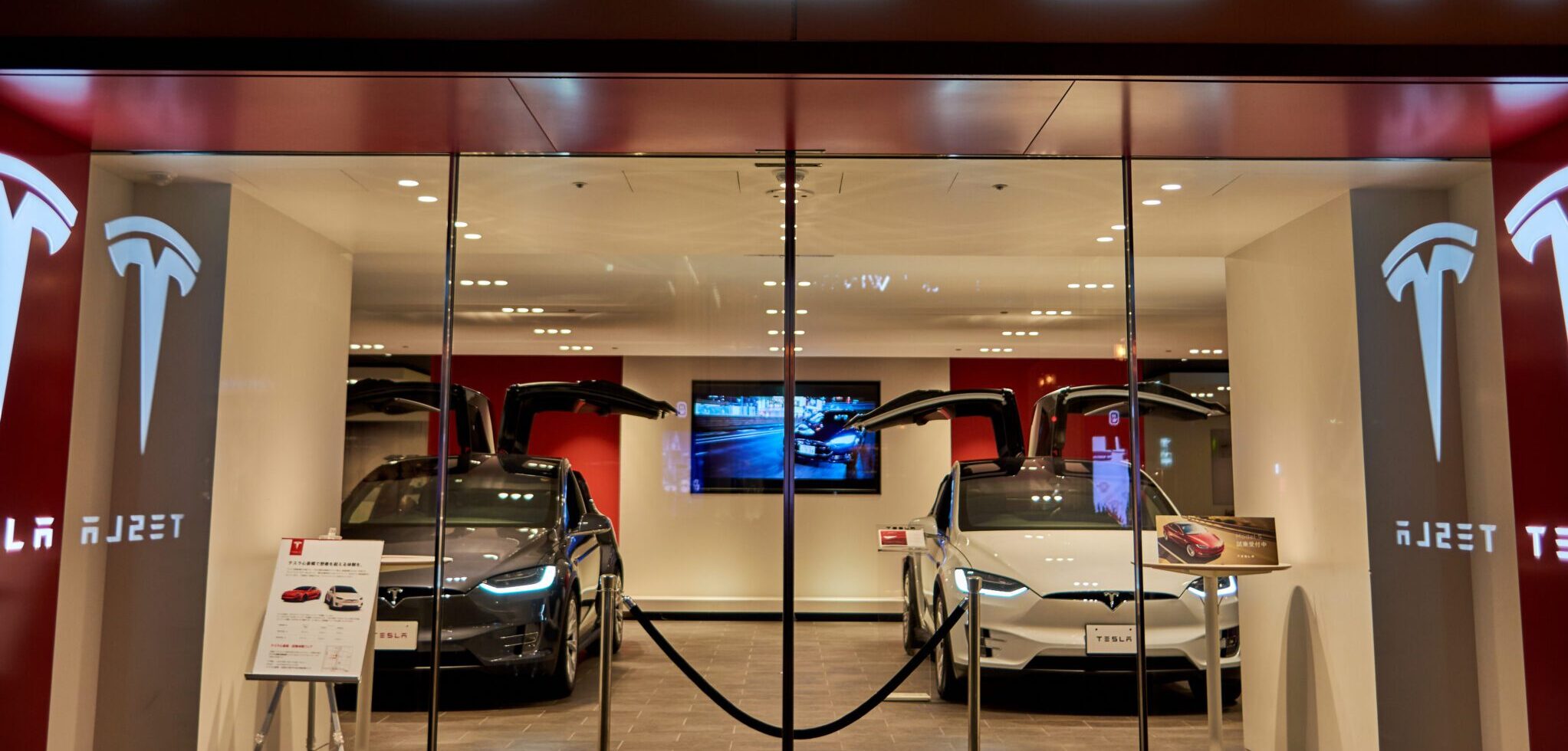
The recent redesign of Japan’s electric vehicle (EV) subsidy program, driven by U.S. pressures, has resulted in a significant tilt in financial support favoring Tesla over local manufacturers like Honda and Nissan. As of now, Japan has largely exhausted its ¥110 billion (approximately $700 million) budget, with most of the payouts from eligible EV sales claimed within just six months.
Key highlights include:
- Subsidy Divisions: Toyota leads with ¥34.5 billion in payouts, largely due to the updated bZ4X. Tesla’s Model Y is next, accounting for ¥15.3 billion, while Nissan’s and Honda’s models lag significantly.
- Budget Depletion: Payouts for EVs sold between April and September have reached ¥97.4 billion, hinting that applications could be closed as early as December.
- Trade Negotiations Impact: The revised subsidy structure stemmed from U.S.-Japan trade negotiations that increased the maximum subsidy for certain EVs while disadvantageously impacting the funding available for fuel cell vehicles. Tesla notably benefitted with a significant increase in its subsidy.
- Political Concerns: BYD, a Chinese manufacturer, has encountered a stark disparity in subsidies, with models capped at ¥350,000-450,000. This has led to accusations of political bias against non-Japanese firms.
- Sales Surge and Market Reaction: Despite the rapid growth in EV sales (up 150% year-on-year), the scheme has created discrepancies in the market, leading to shortages and inflated prices for certain vehicles, while foreign brands appear to suffer in the subsidy race.
- Future Prospects: As demand outpaces government projections, the Ministry of Economy, Trade and Industry is grappling with an exhausted budget and is contemplating a review of subsidy levels for the next fiscal year to mitigate potential shortfalls.
Suzuki, staying cautious about reliance on subsidies, is launching its e-Sky kei car competitively priced without subsidy support, indicating a strategic shift away from dependency on governmental financial aid.
In conclusion, while Japan’s subsidy redesign has successfully boosted EV sales, the long-term implications could lead to a market adjustment as the funding diminishes, with traditional brands potentially facing the brunt of this shift.

