Here’s a summary of the article:
Summary of the Evolution of Animals
-
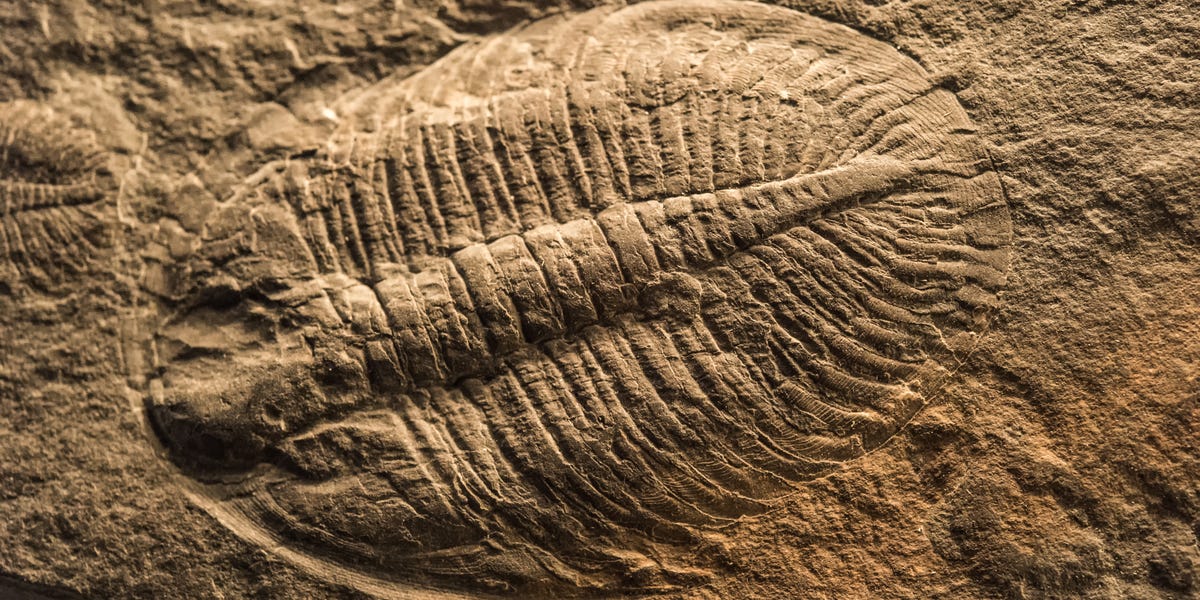
Timeline of Fossils: The oldest known animal fossils are approximately 574 million years old. However, the fossil record is limited, making it challenging to pinpoint when Earth’s first animals evolved.
-
New Findings: A recent study suggests that the absence of animals in certain fossil deposits doesn’t necessarily indicate they had not evolved yet, as some deposits formed during the time animals existed.
-
Molecular Clocks: Analysis of genetic mutations indicates that animals likely originated between 700 and 800 million years ago, during the Cryogenian Period (often referred to as Snowball Earth).
Key Insights:
-
Ediacaran Period: This period marked the emergence of some of the earliest animal life, but researchers believe animals may have evolved much earlier.
-
Biochemical Evidence: Ancient sediments have revealed lipid biomarkers from sponges, suggesting that simple animal life existed long before the earliest fossils.
-
Debate Among Scientists: Some researchers argue against the existence of animals prior to 590 million years ago, pointing to fossil deposits that lack animal remains.
-
Preservation Conditions: The conditions that allow for the preservation of soft-bodied organisms are rare, potentially explaining the absence of earlier animal fossils in certain deposits.
-
Future Research Directions: Continued exploration of fossil and geochemical records is crucial for refining the timeline of animal evolution.
This evolving understanding suggests that the timeline of complex life is still being rewritten, with implications for how early animal diversification may be tied to significant geological events.


