The article discusses the impact of the elimination of the $7,500 federal tax credit for electric vehicles (EVs) signed by President Trump in September 2025. Following the removal of this tax incentive, EV sales have sharply decreased, while hybrid vehicle sales have surged, particularly as fuel prices have risen.
Key points include:
-
Decline in EV Sales: After the tax credit was phased out, sales of electric vehicles dropped significantly, especially as automakers stopped producing low-selling models that were no longer appealing without government subsidies.
-
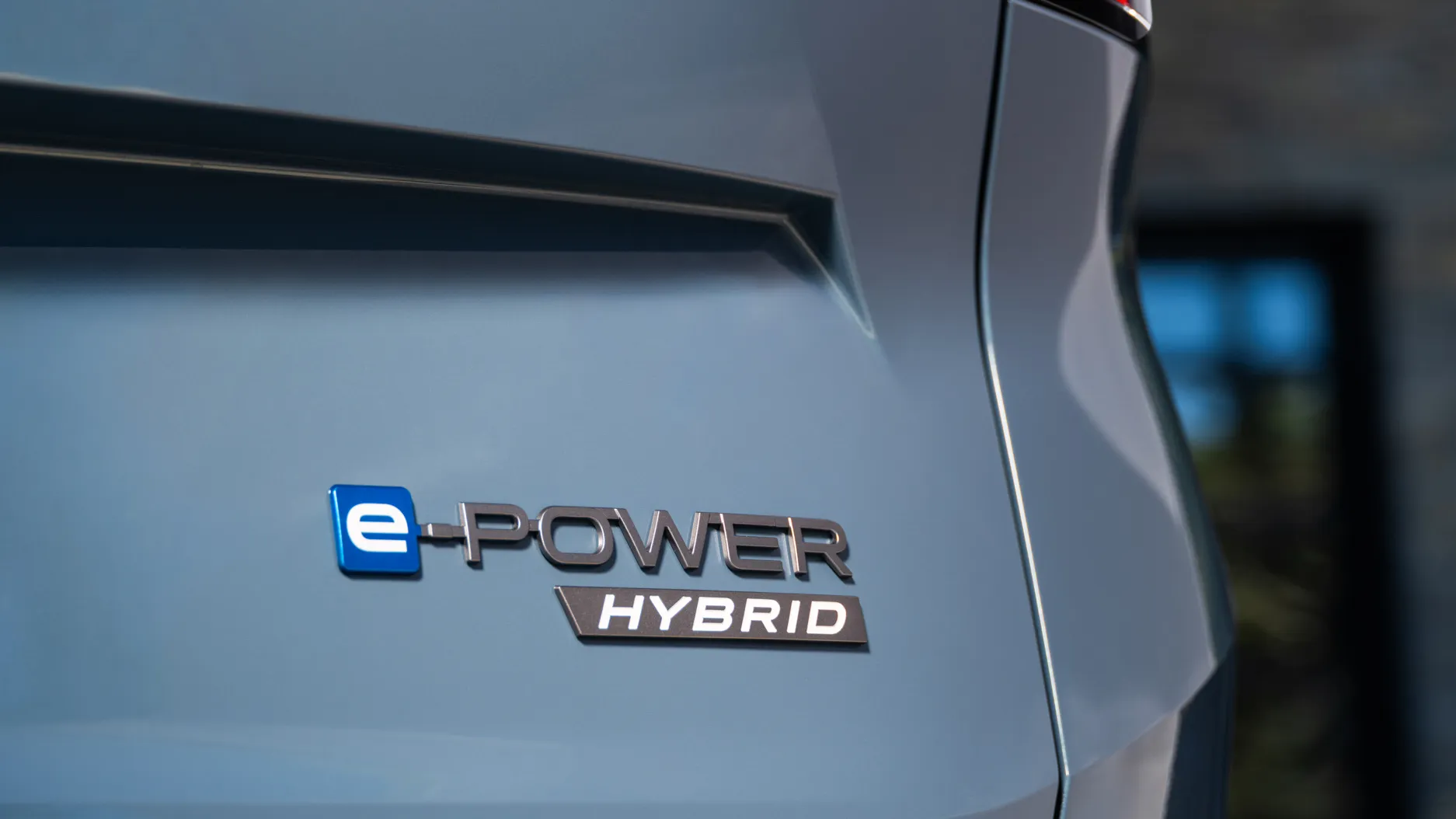
Rise of Hybrid Vehicles: As gas prices hit over $4 per gallon, hybrids gained popularity due to their fuel efficiency without requiring significant changes in fueling habits. Hybrid sales increased by 23% from Q2 2025 to Q2 2026, boosting their market share to a record 16.3%.
-
Carmakers’ Strategies: Many car manufacturers are pivoting towards hybrid production while still planning future developments in fully electric vehicles. Executives from leading automakers emphasize continued commitment to EVs.
-
Consumer Behavior: Rising fuel costs have led consumers to prioritize fuel-efficient vehicles while savings among higher-income buyers are also increasing purchasing power, contributing to demand for hybrids.
-
Future Trends: Analysts suggest that while the EV market is stabilizing with improved battery technology and increasing charging infrastructure, the transition to electrification is expected to be gradual and diverse, with a mix of powertrains catering to different consumer preferences.
Overall, hybrid vehicles are currently leading the charge in the automotive market due to their practicality amidst rising fuel costs.

