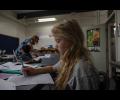
In Rachel Ventress’ writing class at Anvil City Science Academy, middle schoolers engaged in an interesting shift back to pen and paper for their writing tasks. On September 23, the class focused on revising their drafts by filling out a self-review packet. Students were advised to improve their drafts while documenting the changes made. This change in method marked a deliberate shift from the previous year when students primarily used laptops for all their writing tasks.
Teachers at ACSA observed that laptops often distracted students and hindered their learning. By reverting to handwritten drafts, students could develop important skills like note-taking and critical reading without the distractions of digital devices. Ventress and science teacher Keane Richards were key proponents of this transition, aiming to enhance students’ focus and cognitive processing abilities.
Principal Ayden Wickman endorsed the new strategy, emphasizing that writing slowly with pen and paper can improve knowledge retention, especially in developing brains. The intent was to allow students to be more creative and present in their writing process before typing their final drafts. This approach has revealed varying preferences among students; some appreciated the ease of typing, while others found handwriting less distracting and more conducive to idea flow.
Both teachers are not against technology but wish to employ it more intentionally—focusing on meaningful engagement rather than mere convenience. This return to analog methods extends beyond writing, with plans for science projects and observational logs to be done on paper, as it allows for deeper engagement with material.
Furthermore, Richards pointed out that many students already possess digital navigational skills, so the focus now needs to shift to slowing down and enhancing critical thinking and literacy skills. The broader goal is to ensure that technology complements educational aims rather than detracts from them.


