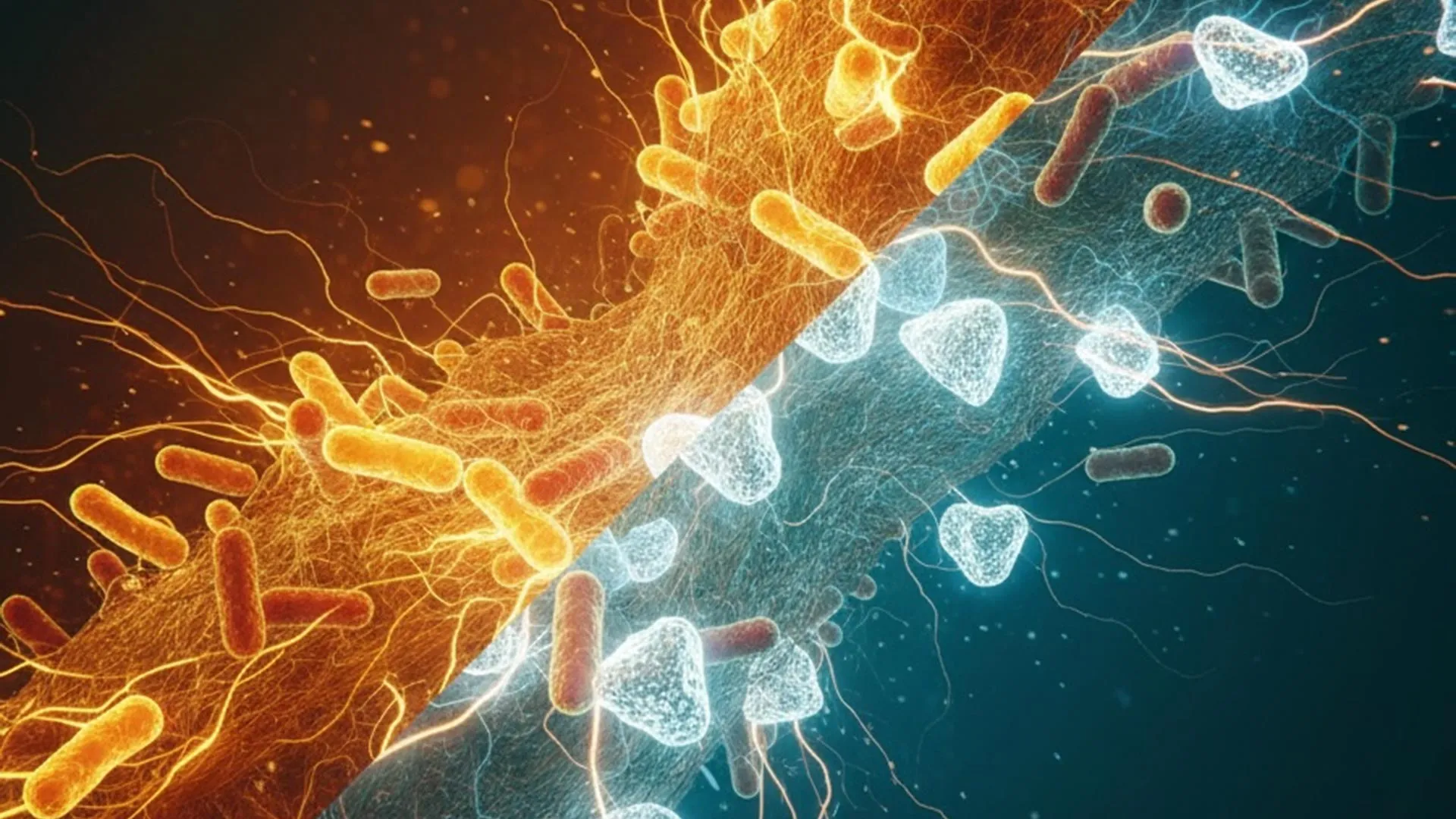
The text discusses the fascinating adaptability of bacteria and their role in both health and disease, particularly in the context of dental plaque. The research published in 2025 highlights how manipulating bacterial communication through chemical signals can potentially foster healthier microbial communities in the mouth. Here are the key points:
### Adaptability of Bacteria
– Bacteria are highly adaptable, which aids their survival but can also lead to antibiotic resistance.
### Importance of Oral Bacteria
– Not all bacteria are harmful; many play essential roles in human health, including various species in the mouth.
### Research Insights
– Researchers studied how bacterial communication using chemical signals, specifically N-acyl homoserine lactones (AHLs), influences the makeup of dental plaque.
– Disrupting these signals in dental plaque shifted communities toward bacteria associated with better oral health.
### Communication Mechanism
– Bacteria use quorum sensing to gauge their population and coordinate activities.
– Chemical signals can be detected by bacteria in both aerobic (above the gumline) and anaerobic (below the gumline) environments.
### Impact of Oxygen
– The behavior of bacterial signals varies significantly with oxygen levels; disrupting AHL signaling leads to more health-associated bacteria above the gumline, while adding AHLs below promotes disease-associated bacteria.
### Future Directions
– The goal is to find ways to manage and maintain a balanced oral microbiome rather than using antibiotics.
– There is potential for similar strategies in addressing microbiome imbalances in other areas of the body, which could help prevent a range of diseases.
### Conclusion
Understanding bacterial communication could pave the way for novel therapies aimed at enhancing microbial health rather than eliminating bacterial populations. This approach reflects a shift in treating health issues linked to microbial imbalances and aims for a more nuanced understanding of microbiome management.


