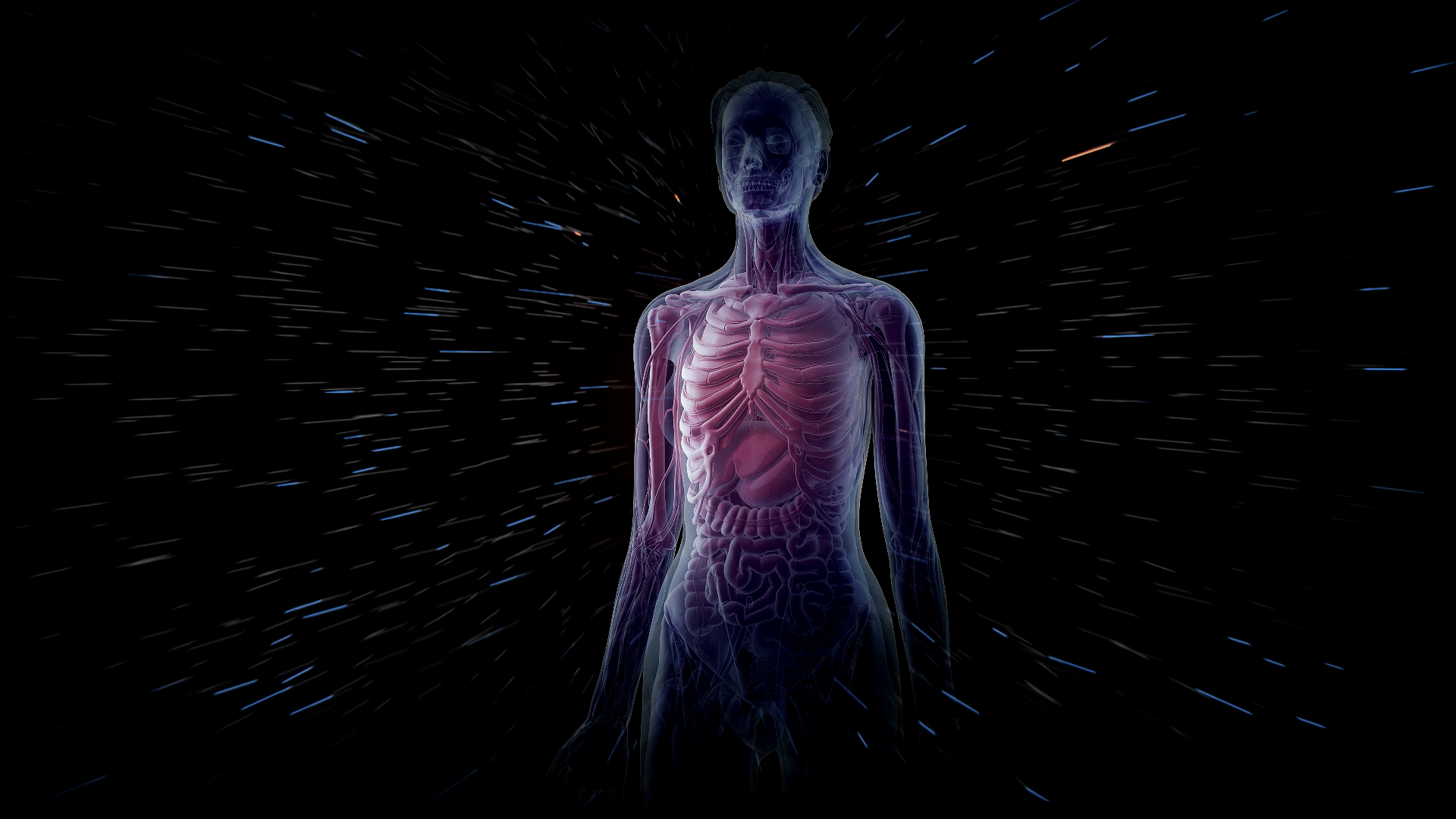
Understanding Radiation Risks in Deep Space Travel
Deep space travel presents significant challenges, particularly concerning radiation exposure that can impact astronauts’ health. Research from Oklahoma State University and the University of Texas Health Science Center investigates this issue, highlighting the complexities of radiation sources and potential mitigation strategies.
Key Sources of Radiation
-
Galactic Cosmic Rays (GCRs): These high-energy atomic nuclei are dangerous for astronauts as they escape Earth’s protective atmosphere. Among the most harmful are high-atomic number, high-energy ions known as HZE ions, notably iron nuclei (Fe-56). These ions can cause severe cellular damage, increasing cancer risks due to their destructive interactions with DNA.
-
Bystander Effect: Even a small number of irradiated cells can trigger harmful effects in nearby, unirradiated cells. Research shows that irradiated endothelial cells release inflammatory signals (e.g., Tumor Necrosis Factor-alpha, TNF-), which can lead to cancerous transformation in neighboring cells without direct exposure to radiation.
Experimental Findings
- Cell Studies: Experiments conducted at Brookhaven National Laboratory revealed that irradiated endothelial cells activate inflammation pathways, making neighboring cells prone to damage and mutation, contributing to cancer risk.
- Mouse Models: Researchers observed tumor growth in non-irradiated cells exposed to irradiated cells, reinforcing the bystander effect.
- Astronaut Data: Analysis of blood samples from astronauts on the SpaceX Inspiration4 mission showed increased levels of TNF- and other markers related to cancer risk, indicating that similar effects also occur in space.
Potential Solutions
Despite the alarming findings, the research points toward potential interventions:
-
Chemical Countermeasures: Inhibiting the TNF- receptor can break the signaling cascade, potentially preventing the onset of cancer in affected cells.
-
Advanced Shielding Techniques: Combining chemical interventions with physical shielding methods (like water walls or hydrogen-rich materials) could significantly reduce radiation exposure risks for astronauts.
Conclusion
Understanding the risks associated with deep space radiation, especially the bystander effect, is crucial for developing effective countermeasures. Ongoing research aims to enhance protective strategies, ensuring safer space travel for future astronauts.


