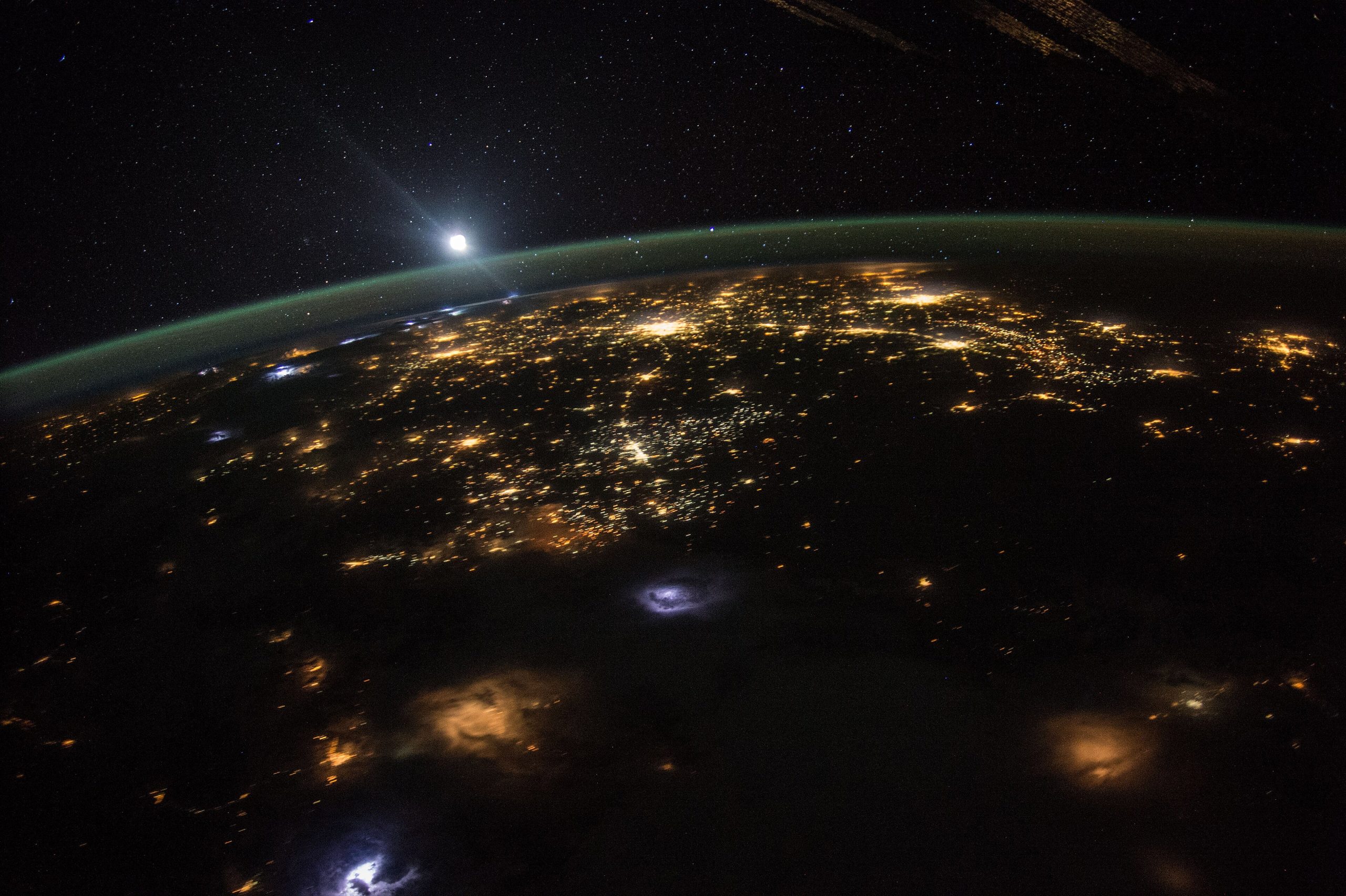
5 October 2026: World Space Week
Human interest in space embodies a deep-seated desire to understand our origins and the potential for extraterrestrial life. Long before modern technology, ancient civilizations tracked celestial movements to create reliable calendars, guiding agricultural practices.
The ambition for discovery surged during the Space Race, a Cold War-era competition between the United States and the Soviet Union. On October 4, 1957, the Soviet Union launched Sputnik 1, the first artificial satellite, igniting global interest in space. Just four years later, Yuri Gagarin became the first human in space, orbiting Earth aboard Vostok 3KA-3. These achievements shocked the American scientific community.
Neil Armstrong’s historic moon landing in 1969 aboard Apollo 11 marked a pinnacle of human achievement, famously stating, “That’s one small step for man, one giant leap for mankind.” In 1999, the UN established World Space Week to celebrate space technology’s contributions to humanity, commemorating the launch of Sputnik 1 from October 4 to October 10, marking the entry into force of the Outer Space Treaty (OST) in 1967.
While humanity’s curiosity has led to incredible progress, recent developments show a darker side. In September 2026, Secretary of the Air Force Troy Meink revealed that the US Space Force had deployed weapons in space, despite withholding specifics. The Carnegie Endowment for International Peace stated that the legality of these weapons under Article IV of the OST, prohibiting nuclear weapons in space, depends on their nature.
In response, Chinese Foreign Ministry spokesperson Guo Jiakun condemned the US for escalating military presence in space, criticizing any arms race or attempts to militarize it.
The US Commercial Space Launch Competitiveness Act (SPACE Act 2015), which grants US entities rights over recovered asteroids, faces criticism for allegedly violating Article II of the OST, intended to prevent territorial claims in space. Supporters, including former President Trump, argue that the Act affirms the right to exploit space resources, rejecting the notion of outer space as a “global commons.”
While concerns are raised about private entities like Elon Musk’s Starlink, accused of violating international space law by disregarding the interests of other nations, the debate continues regarding the ethical and equitable exploration of space.
As we celebrate World Space Week, it’s essential to reflect on our advancements and the ethical implications of our future in space exploration.


