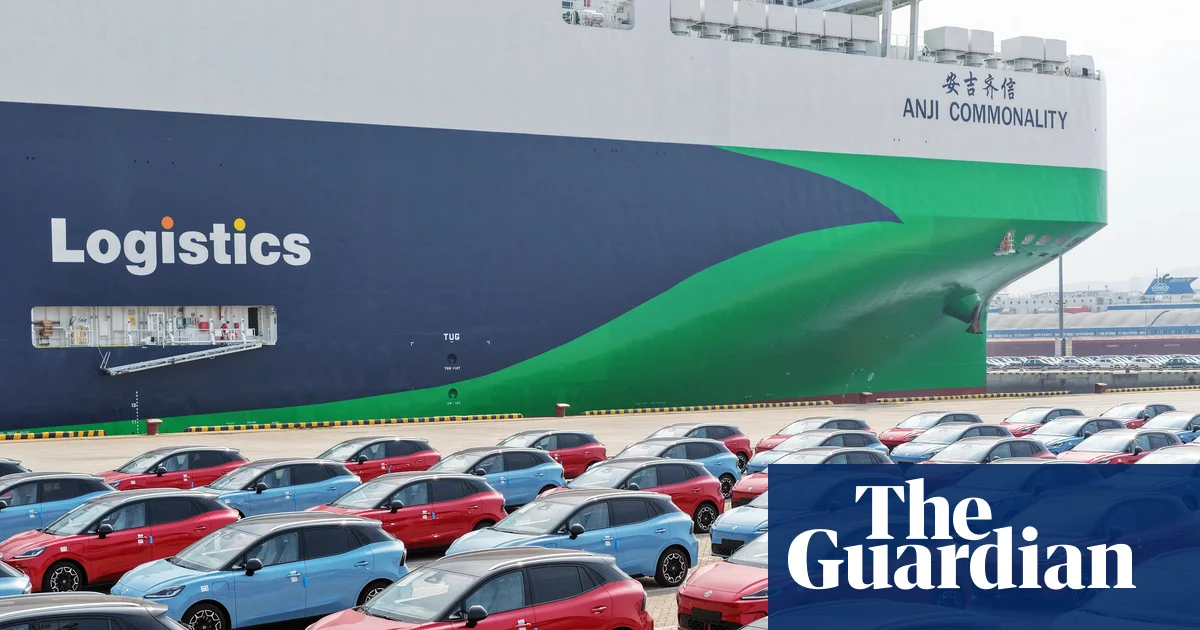
Britain’s car industry faces a complex decision between navigating trade relations with China and Europe, as looming trade measures threaten UK exports to the EU. Unlike the US and EU, which impose significant tariffs on Chinese vehicles, the UK has opted to keep its market open. However, EU officials have warned that the UK may need to implement tariffs on low-cost Chinese cars to avoid EU protectionist measures that could severely impact UK exports.
Business Secretary Jonathan Reynolds argues against tariffs, citing potential backlash in the Chinese market, where British carmakers are increasingly dependent. This situation poses a trade-off: while Chinese investments could be vital for UK manufacturers, access to European markets is equally crucial for sustained growth.
Chinese brands have surged in the UK market, significantly increasing their market share, indicating a growing demand for affordable vehicles. The Society of Motor Manufacturers and Traders (SMMT) reported a 12% rise in new car registrations, driven largely by electric vehicles and Chinese brands.
Furthermore, the EU’s “made in Europe” rules, which limit subsidies and contracts to vehicles produced within the EU, could threaten British automotive production. The potential exclusion from the EU market could have dire consequences, given that the EU accounted for a substantial majority of UK car exports.
Industry leaders emphasize the need for clarity in government policy to make informed long-term investment decisions. While some argue that tariffs are necessary to protect UK manufacturers from crowding out, others, including representatives from Chinese brands, believe that ongoing investment in the UK will not be affected by potential tariff changes.

