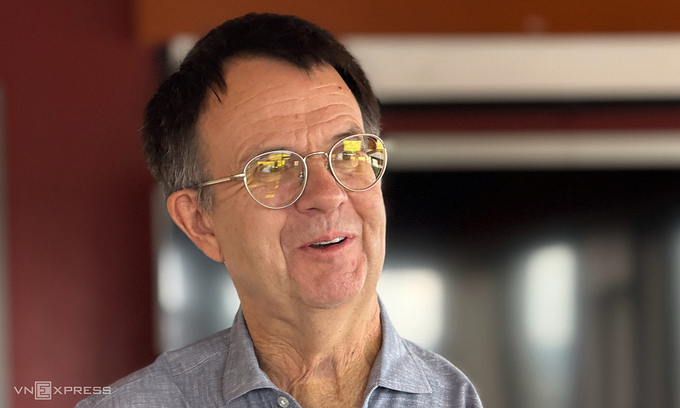
Eric Cornell, a physicist at JILA, won the Nobel Prize in Physics in 2001 for his work on Bose-Einstein condensation. In a recent interview, he discussed the state of fundamental science, emphasizing the importance of asking innovative questions in the field. He believes that even small nations should engage in scientific research, suggesting they focus on specific areas of expertise rather than trying to cover every discipline.
Cornell also reflected on his experiences post-Nobel Prize, noting that the key to success lies in a genuine passion for science rather than the pursuit of accolades. He advised young researchers to find joy in their discoveries, regardless of whether they’re groundbreaking.
Regarding the future, he commented on the transformative potential of quantum physics in computing but expressed concerns about how rapidly AI is changing society, acknowledging that its impacts could be both beneficial and detrimental.


