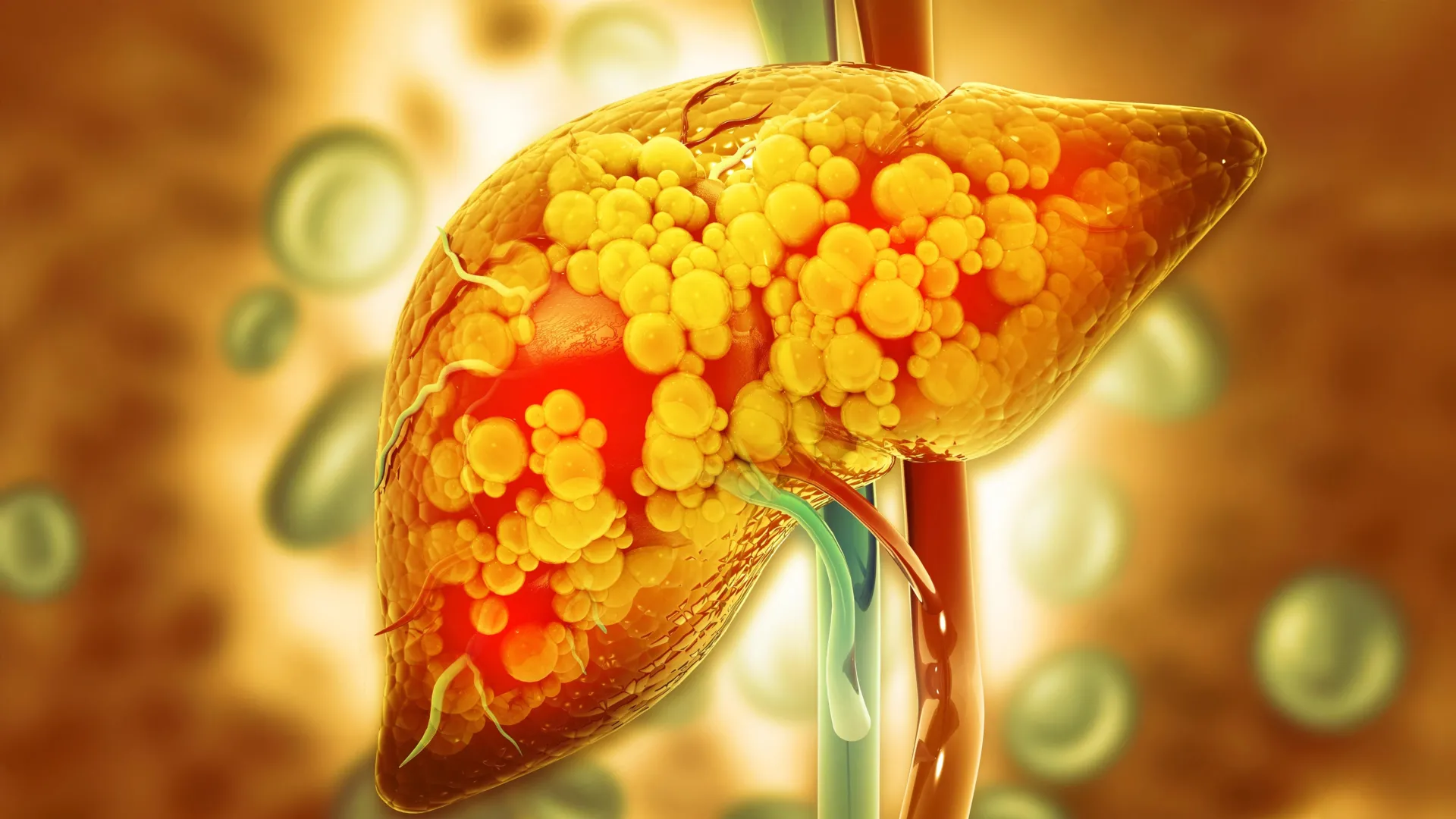
Researchers from Cedars-Sinai Health Sciences University have identified a key enzyme that may offer protection against liver damage associated with metabolic dysfunction-related liver disease, known as metabolic dysfunction-associated steatotic liver disease (MASLD). This discovery, detailed in a study published in Nature Metabolism, could lead to new strategies for preventing serious liver injury and progression to liver failure, affecting an estimated 100 million people in the U.S.
Approximately 20% to 25% of individuals with MASLD progress to the more severe metabolic dysfunction-associated steatohepatitis (MASH), characterized by liver inflammation, cell injury, and scarring. Current treatments primarily focus on lifestyle changes and there is no cure for MASH, underscoring the challenge of managing this condition.
In their study, Cedars-Sinai researchers discovered that the enzyme UBE2N decreases in liver cells as MASH advances. It appears to play a crucial role in mitigating inflammation and cellular damage by facilitating the removal of damaged mitochondria and aiding fat breakdown. When UBE2N levels were restored in laboratory mice, researchers observed a significant reduction in liver fat accumulation, inflammation, and scarring, suggesting its potential as a treatment target.
This breakthrough enhances understanding of steatotic liver disease and opens avenues for exploring complementary treatments to existing therapies, improving patient outcomes and potentially leading to new therapeutic strategies.


