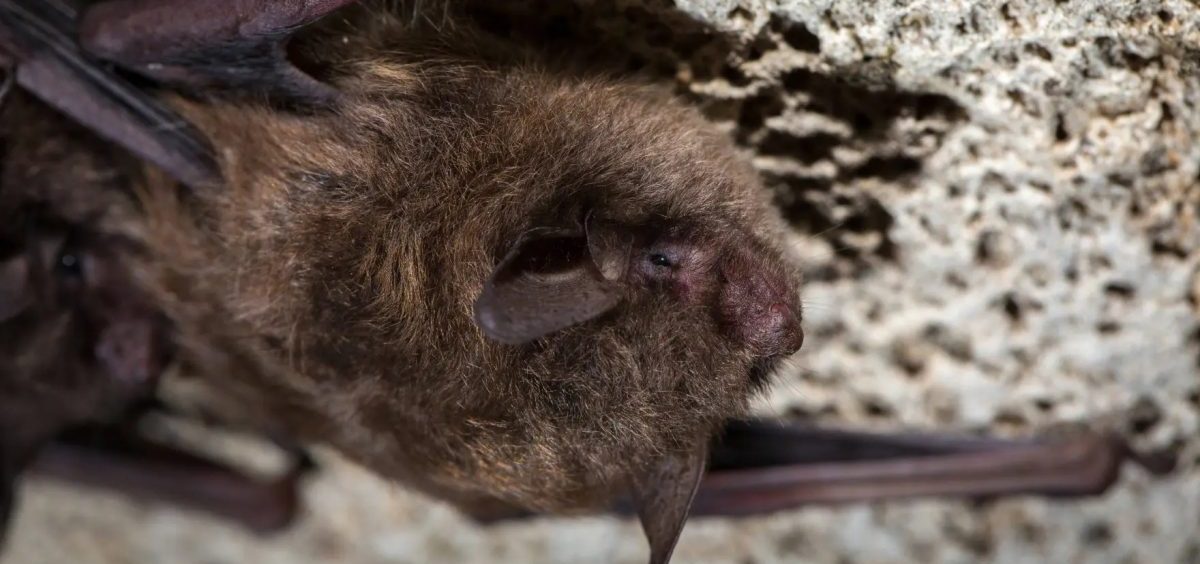
Bats and Echolocation: Insights from Peishu Li
ATHENS, Ohio (WOUB) — While much is known about how animals navigate their environment, the intricacies of echolocation in bats have only recently come to light. Peishu Li, an assistant professor of biomedical sciences at Ohio University, leads research on the evolution of fast muscles and echolocation behavior in bats.
In an interview with WOUB’s David Forster for “Modern Science,” Li discussed the fascinating capabilities of bats.
How Bats Use Echolocation
Echolocation allows bats to create a three-dimensional map of their surroundings using sound. They emit ultrasonic sound waves that bounce off objects, returning as echoes. These echoes help bats determine whether objects are moving or stationary, as well as whether they are potential prey or threats. This ability enables bats to “see” their environment in a way that differs from human vision.
New Research on Bat Behavior
Recent studies reveal that many bats excel at catching tiny flying insects in near-total darkness. To achieve this, they have evolved the ability to rapidly increase the frequency of their echolocation calls. For instance, while they might start with calls every few seconds, they can ramp up to 100 or even 200 calls per second as they close in on their prey.
This speed allows bats to gather a wealth of information about their targets and adjust their flight path accordingly, contributing to their success in hunting.
Unique Muscle Adaptations
One of the critical factors enabling bats to produce these rapid calls is their specialized muscles, capable of contracting up to 250 times per second. This is extraordinary compared to other animals; for example, humans can blink only five to ten times per second before fatigue sets in.
Bats, conversely, can sustain this rapid muscular activity for several hours each night, an adaptation crucial to their survival and hunting strategies. Li’s ongoing research seeks to uncover the key characteristics that allow these muscles to function at such incredible speeds and how these traits have evolved among the diverse bat species.
The insights from Peishu Li highlight the complexities of echolocation and the incredible adaptations that enable bats to thrive in their ecological niches. This research sheds light on the remarkable intersection of anatomy, evolution, and behavior in these fascinating creatures.


