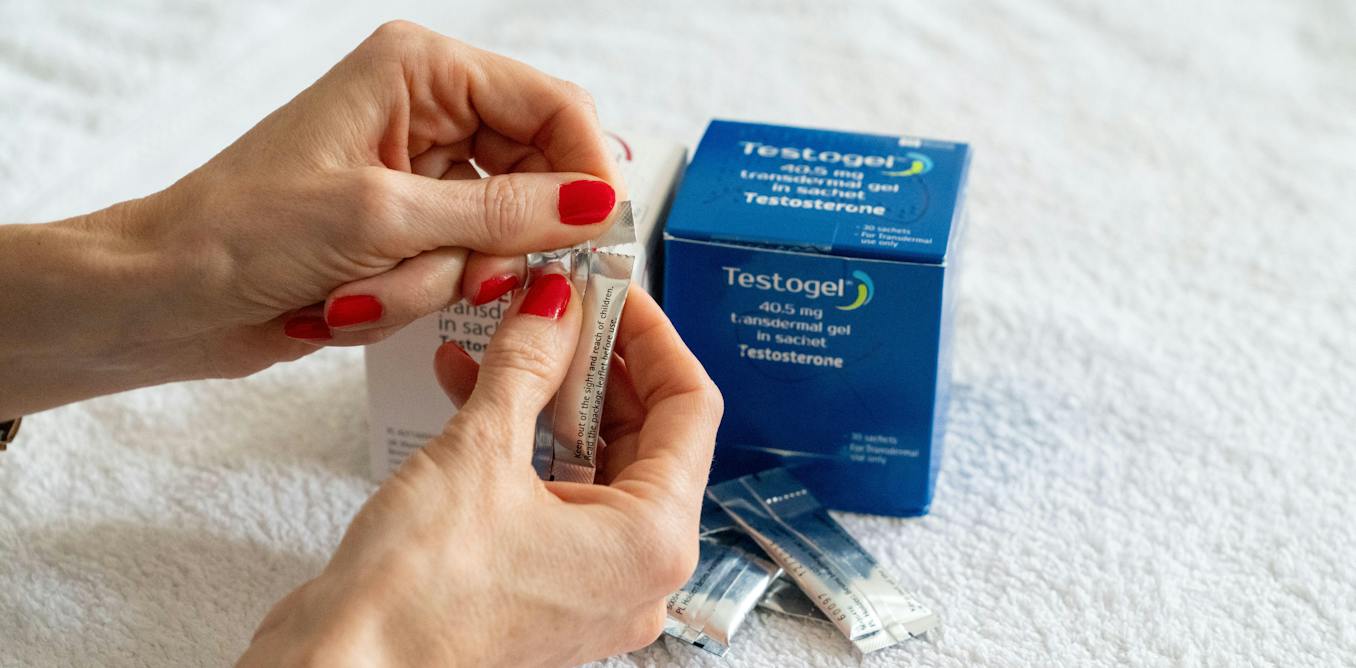
The appetite for testosterone therapy among women, particularly those going through menopause, is on the rise. Recent reports indicate that some women are even posing as men to obtain testosterone gel, as female-specific products remain scarce. Here’s a closer look at the context and implications of this trend.
### Understanding Testosterone in Women
Testosterone, while primarily viewed as a male hormone associated with attributes like muscle mass and libido, is also produced by women in much smaller quantities. It plays crucial roles in various bodily functions including bone and muscle health, heart function, and even mental well-being. Unlike estrogen, testosterone levels decline gradually over a woman’s reproductive lifespan and do not drop sharply at menopause.
### Why the Increased Interest in Testosterone?
The main draw for testosterone therapy in women is its known effect on sexual desire. Studies have shown that carefully monitored testosterone can enhance sexual function in postmenopausal women with hypoactive sexual desire disorder (HSDD). Beyond sexual health, anecdotal evidence from recent studies indicates potential improvements in mood and cognitive function for women using testosterone, although definitive clinical evidence is lacking.
### The Clinical and Regulatory Landscape
The lack of approved testosterone products specifically for women is notable, especially when compared to the availability of estrogen and progesterone therapies. International guidelines have recognized this gap, pressing for the development of female-specific testosterone treatments.
Recent initiatives, such as a public workshop by the FDA, indicate that the issue is gaining traction. Countries like Australia have already made strides with specific formulations like Androfeme, a testosterone cream for women.
### Risks and Considerations
Despite growing demand, caution is warranted. There are significant gaps in the long-term safety data regarding testosterone therapy for women, including potential links to heart disease, stroke, and breast cancer. Current prescribing practices often involve makeshift solutions utilizing men’s testosterone gel, which poses risks of improper dosing and side effects.
### Conclusion
As interest in testosterone therapy for women grows, both healthcare access and rigorous scientific evaluation are urgently needed. The increasing prescriptions point towards a rising demand that, if not addressed through proper channels, could lead to unregulated use and potential health risks. The call for more focused research and the development of suitable products for women has never been more critical in ensuring safe and effective treatment options.


