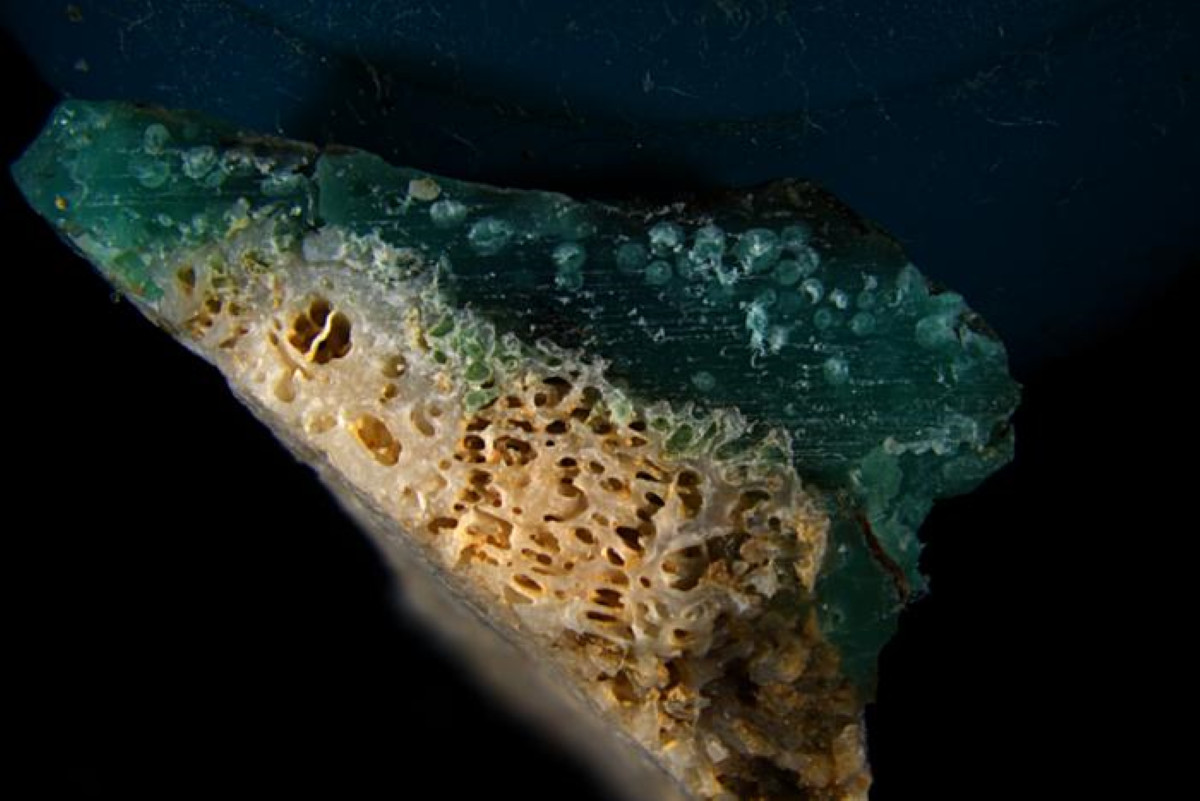
This article discusses a new phenomenon identified on Okinawa’s beaches: “plasticorals,” which are coral pieces fused with melted plastic. Researchers from the Okinawa Institute of Science and Technology and the University of the Ryukyus discovered these specimens while surveying beach litter, with five reported finds.
Key Findings:
-
Formation Process:
- It’s suspected that fire may play a role in the formation of plasticorals, specifically when people use coral rubble beneath campfires. The heat softens plastics like polyethylene and polypropylene, allowing them to permeate coral structures.
-
Ecological Impact:
- Plasticorals could alter the functionality of coral rubble as a habitat due to their surface characteristics. However, their ecological effects remain largely unknown because the study did not assess toxicity or interactions with marine organisms.
-
Geological Significance:
- The phenomenon may represent a new geological marker, as mass-produced plastics could leave a recognizable signature in sedimentary records. Researchers suggest that these hybrids might signal a transition from temporary litter to a permanent component of reef environments.
Future Research:
The study calls for more extensive surveys to determine the prevalence of plasticorals and their consequences. Understanding how widespread these hybrids are could provide insights into both ecological and geological impacts of human activities on marine environments.
The full study was published in the Marine Pollution Bulletin.


