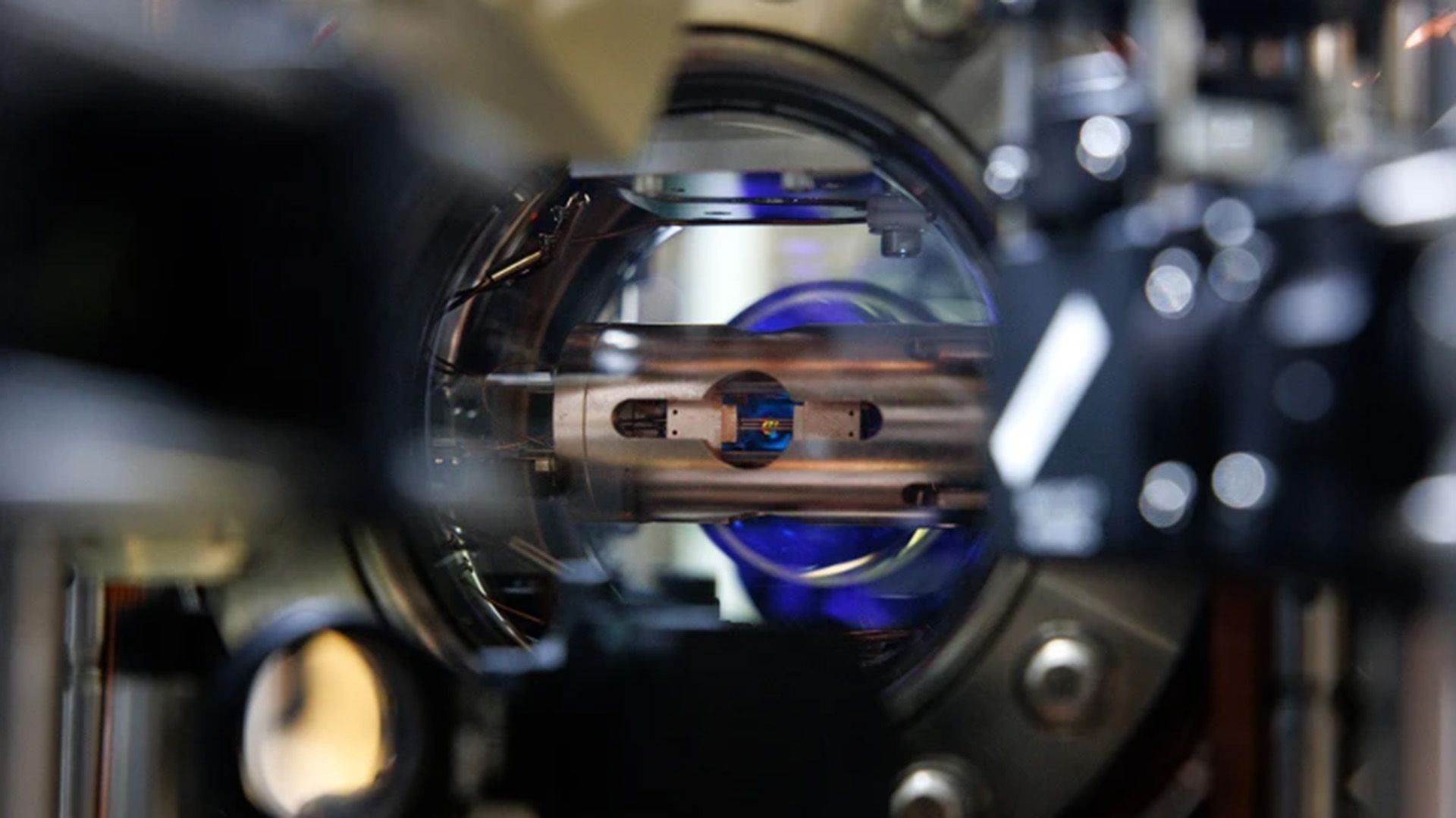
Scientists have developed the most precise atomic clock to date, which could redefine the second. The clock utilizes the vibrations of lutetium atoms, achieving accuracy up to 19 decimal places — a 41% improvement over the previous record. This advancement was detailed in a recent Nature journal publication.
Since the 1950s, atomic clocks have been key to timekeeping, initially using cesium isotopes. In 1968, the International Bureau of Weights and Measures defined the second based on cesium-133 vibrations. Unlike earlier clocks, the lutetium-176 clock is less sensitive to environmental changes like temperature and magnetic fields, maintaining stability even with significant temperature variations.
The potential implications of this precise timekeeping technology are vast, paving the way for redefining the second in 2030 and possibly aiding in examining fundamental physics constants, including gravitational variations. If successful, lutetium could emerge as the new standard in the metric system.


