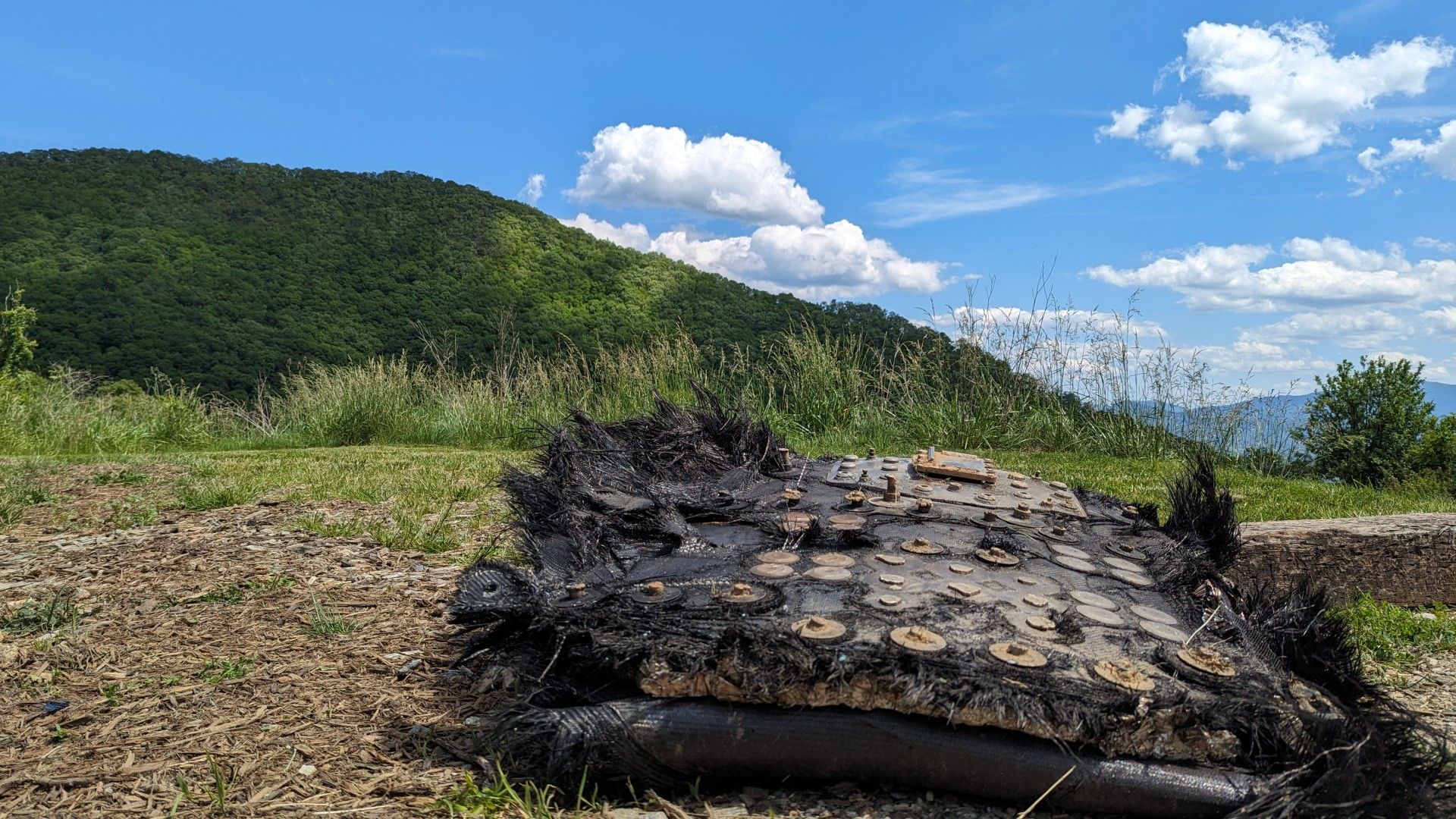
The current state of Earth’s orbital environment is concerning, with experts warning about the increasing dangers posed by space debris, including defunct satellites and used rocket stages. The European Space Agency (ESA) highlights that the number of orbital launches is rising, leading to crowded orbits that threaten future space activities.
Key points from the ESA’s Space Environment Report 2026 include:
-
Increasing Debris Risks: The casualty risk from reentering rocket stages doubled since 2020, with an estimated 33% chance of someone being harmed if current trends continue. The risk from satellites during reentry also rose to 1% in 2024.
-
Orbital Congestion: Earth’s orbital space is finite, with significant numbers of satellites and rocket bodies remaining in orbit after their operational lifespan, raising collision risks.
-
Pollution Concerns: Atmospheric pollution from reentries is a growing concern, necessitating data collection to assess its impact and develop mitigation strategies.
-
Need for Change: Experts advocate for controlled reentries to reduce risks and highlight the necessity for active debris removal to combat increasing debris levels caused by collisions, which could lead to the self-sustaining Kessler syndrome.
-
Monitoring and Management: Improved capabilities for tracking space objects are needed to avoid collisions, alongside a better understanding of unidentified orbital debris.
-
Long-term Strategy: ESA aims to develop a circular economy in space, promoting practices such as in-orbit servicing and recycling to ensure sustainable use of the space environment.
Overall, without substantial changes in management and mitigation strategies, the risks associated with space debris are likely to escalate, impacting not just current operations but future generations’ access to space.


