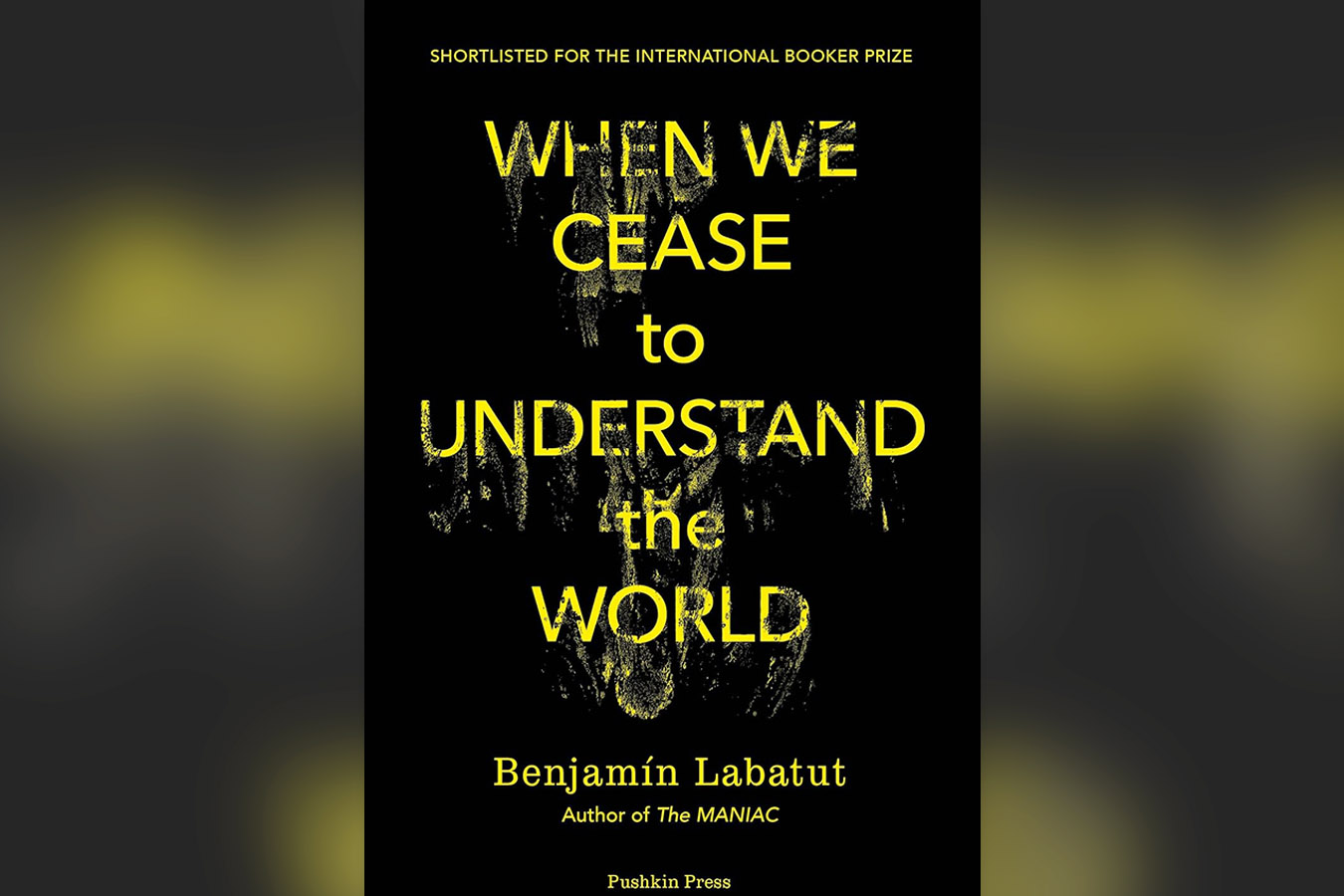
Review of “When We Cease to Understand the World” by Benjamín Labatut
Overview
Benjamín Labatut’s novella When We Cease to Understand the World delves into the intersection of science and its darker implications, particularly through the lens of historical figures in mathematics and physics. It provides a chilling reflection on the dual nature of scientific discovery – as a powerful tool for understanding and a source of potential horror.
Key Themes
-
The Duality of Science: The narrative illustrates how science can transform our understanding of the universe while simultaneously inviting fear. Labatut suggests that while scientific advances can lead to enlightenment, they can also reveal uncomfortable truths about our existence.
-
Historical Context: Set against the backdrop of the post-world war era, the book reflects on how humanity’s pursuit of scientific knowledge has often led to destruction and moral dilemmas. The author examines figures such as Fritz Haber, known for both agricultural and military innovations, and Werner Heisenberg, whose quantum mechanics pushed the boundaries of human perception.
-
Quantum Mechanics: Labatut adeptly explores the unsettling implications of quantum theory, positing that it challenges our conventional understanding of reality. He presents physicists not as mere explorers of truth but as magicians conjuring predictions from an enigmatic framework, often without grasping the underlying reality.
-
Real Life Encounters: The characters in the book are based on actual scientists, lending authenticity to the narrative. Labatut’s portrayal of these figures often leads to existential reflections, prompting readers to consider the price of knowledge.
Writing Style and Research
Labatut’s prose combines a rigorous approach to scientific concepts with literary finesse, making complex themes accessible. His meticulous research blurs the line between fact and fiction, creating a challenging yet rewarding reading experience that resonates with both science enthusiasts and general readers.
Conclusion
When We Cease to Understand the World is a haunting exploration of the fragility of human understanding. Labatut’s portrayal serves as a reminder of the potential horrors intertwined with scientific progress, compelling readers to confront their own understandings of reality. This thought-provoking novella is not just a literary triumph but also a significant commentary on the ethos of scientific inquiry.
In summary, Labatut invites readers to wrestle with the deeper meanings behind scientific achievements and their implications for humanity. The prose’s chilling elegance lingers long after the last page, leaving an indelible mark on the reader’s perspective on science and existence.


