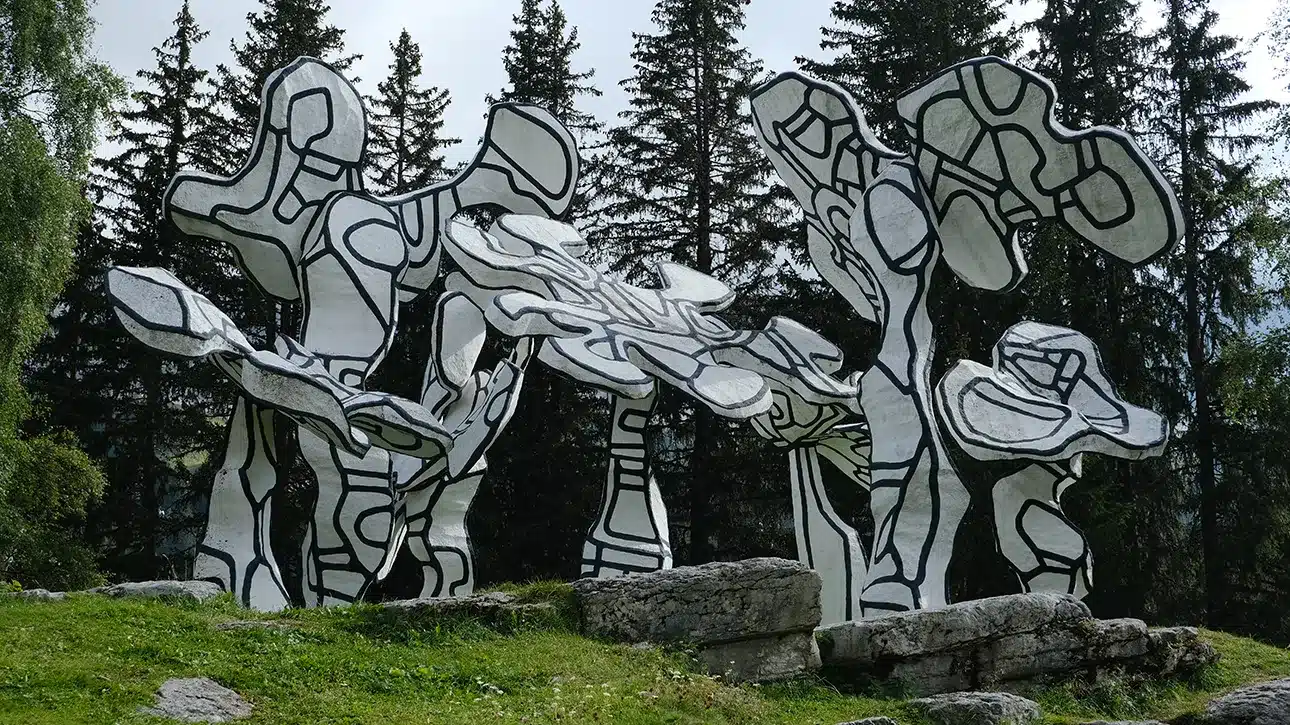
This piece explores the concept of Art Brut as articulated by Jean Dubuffet in 1945 and its relevance in today’s digital culture. Dubuffet emphasized raw, unfiltered artistic expressions emerging outside established institutions, which he deemed sterile and overly polished.
Today, creators face a new set of institutional pressures through algorithms that prioritize specific aesthetics and engagement metrics, often leading to a conformist digital landscape. In response, many contemporary artists are embracing “low-fidelity” aesthetics—such as chaotic collages and unedited work—as a form of resistance. This rebellion mirrors historical counter-movements, like Dadaism and the DIY punk era, which similarly rejected refinement in favor of authenticity and personal expression.
The article also highlights the importance of materiality in art, advocating for tactile practices in an era dominated by ephemeral digital culture. By utilizing physical mediums, artists reclaim agency and preserve cultural memory in a way that resists corporate control.
Ultimately, the essay calls for a revival of the audacity to create unpolished art, defend material archives, and stay connected to genuine human expression, in line with Dubuffet’s vision that true art often emerges in unexpected places.


