Washington Expands Sanctions Against Iran’s Automotive and Rail Sectors
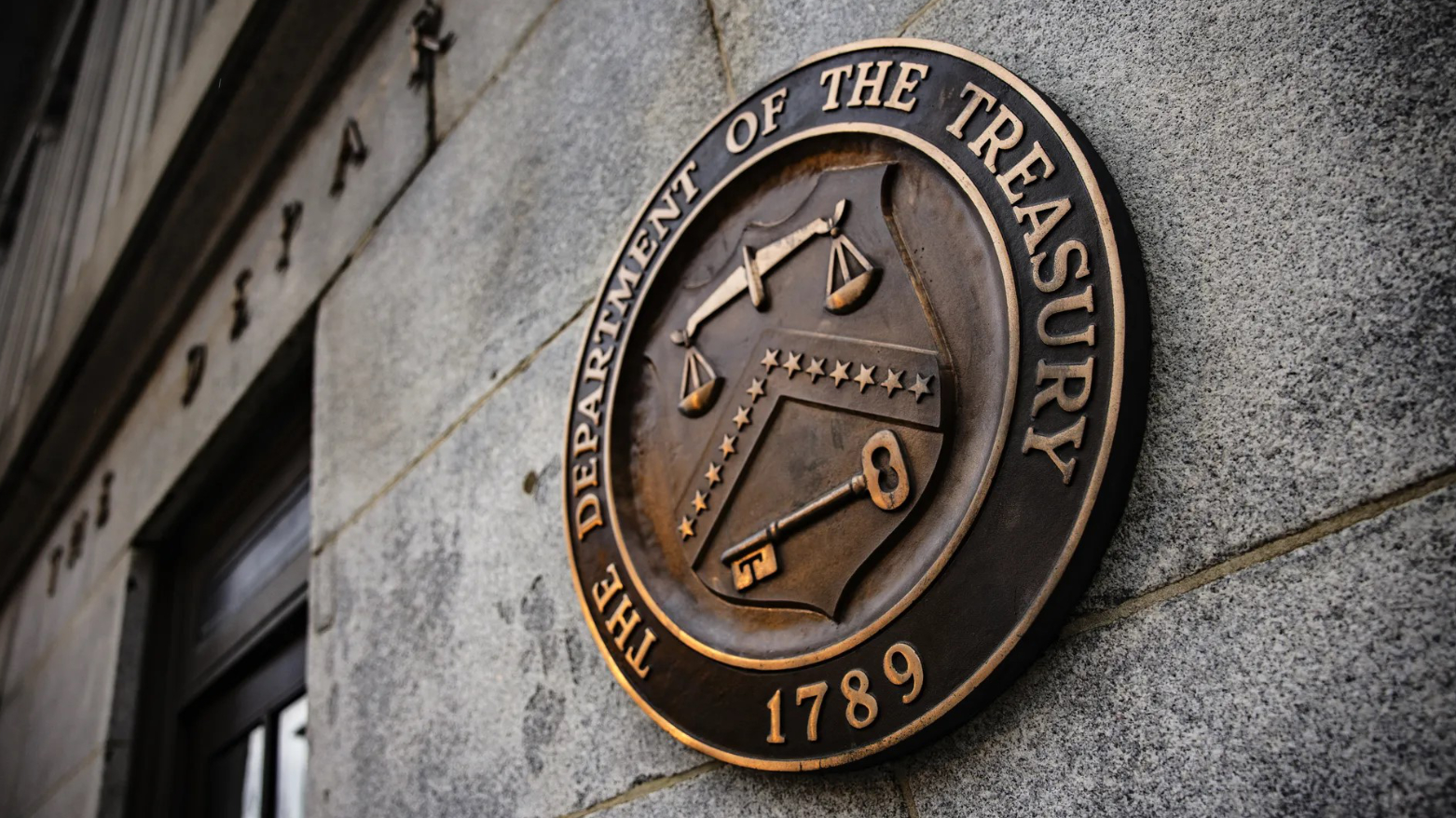
ERBIL (Kurdistan24) — The United States has announced a new round of sanctions targeting Iran’s automotive and railway sectors as part of its ongoing pressure campaign against Tehran. The sanctions were revealed by the US Department of the Treasury and are connected to its “Operation Economic Outcast,” which aims to cut off major revenue streams for the Iranian regime.
Key Targets
-
Automotive Sector: The sanctions specifically target Iran’s largest automakers, Iran Khodro Company (IKCO) and SAIPA, which collectively dominate over 90% of the domestic automotive market, producing nearly 1.5 million vehicles annually. Additional companies impacted include:
- Iran Khodro Diesel
- Pars Khodro
- Niroo Motor Shiraz
- Niroo Motor Damavand
- Zamyad
-
Rail Sector: Three major railway companies have also been sanctioned:
- Islamic Republic of Iran Railway Company (RAI)
- Raja Passenger Trains Company
- Railway Transportation Company
The Iranian rail network has been utilized to transport oil and bolster regional trade amidst US maritime blockades.
Expanding Beyond Iran
The sanctions extend to foreign suppliers of Iran’s automotive industry, which include:
- PT Golden Motorcycle International (Indonesia)
- Integrated Auto Parts LLC (UAE)
- Troy Trading (Turkey)
- Hessenberg Co. and Tanex Global Trading (Hong Kong)
Manufacturing and Metals Sector
The sanctions have further implications for Iran’s manufacturing and metals sectors, including the heavy machinery producer Heavy Equipment Production Company (HEPCO), which the Treasury links to Iranian military operations. Additional sanctions were placed on:
- Silver Line Metal Trading LLC (UAE)
- Tech-Trade International Impex GmbH (Germany)
Network of Steel and Oil Exports
The sanctions are aimed at a network allegedly facilitating Iranian steel and oil shipments. Businessman Ramin Keshvardoust has been identified as a crucial player, utilizing companies across Hong Kong, China, and Iran to process these transactions.
Conclusion
Treasury Secretary Scott Bessent stated that these measures are intended to limit the Iranian regime’s revenue-generating capacity. The sanctions reflect an escalating strategy to prevent Iran from funding its military activities while warning companies against violating US financial regulations. The targeted entities will face blocked property interests in the U.S., and any transactions involving these entities by U.S. persons are generally prohibited unless authorized by the Office of Foreign Assets Control (OFAC).

