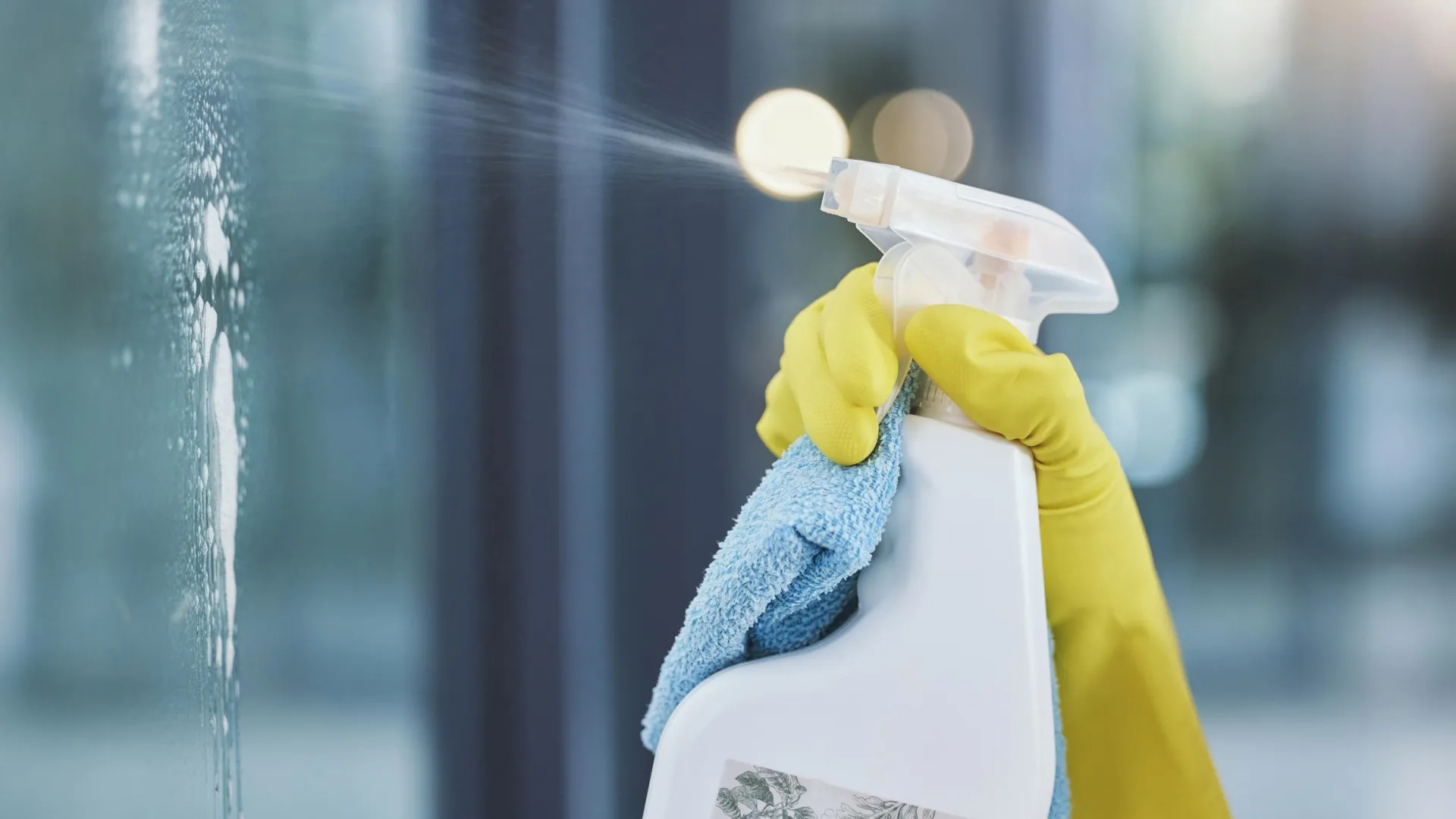
The research led by Brandon Boor at Purdue University reveals significant concerns regarding the use of scented cleaning products indoors. While these products are often associated with cleanliness and pleasant aromas, they can generate harmful ultrafine particles that pose health risks when inhaled.
Key Findings:
-
Nanoparticle Formation: Fragrance compounds in both conventional and botanical cleaning products quickly react with indoor air, particularly when ozone is present, leading to the formation of billions or trillions of nanoparticles.
-
Health Risks: These ultrafine particles can penetrate deep into the lungs and may contribute to respiratory issues and even enter the bloodstream. The levels of these particles can surpass those found in polluted outdoor environments.
-
Speed of Reactions: The formation of these nanoparticles occurs rapidly, often within minutes of using scented products, making it difficult for individuals to realize they are inhaling harmful particles while trying to clean.
Recommendations for Reducing Exposure:
- Opt for low-fragrance or fragrance-free cleaning products.
- Avoid mixing several scented products during cleaning.
- Ventilate spaces by using exhaust fans or opening windows.
- Refrain from using ozone-generating devices while cleaning with scented products.
Conclusion:
While cleaning is essential for maintaining hygiene, it’s crucial to be mindful of the potential for invisible air pollution generated by scented products. The study emphasizes the need for informed choices and improved indoor air quality management to mitigate these risks.


