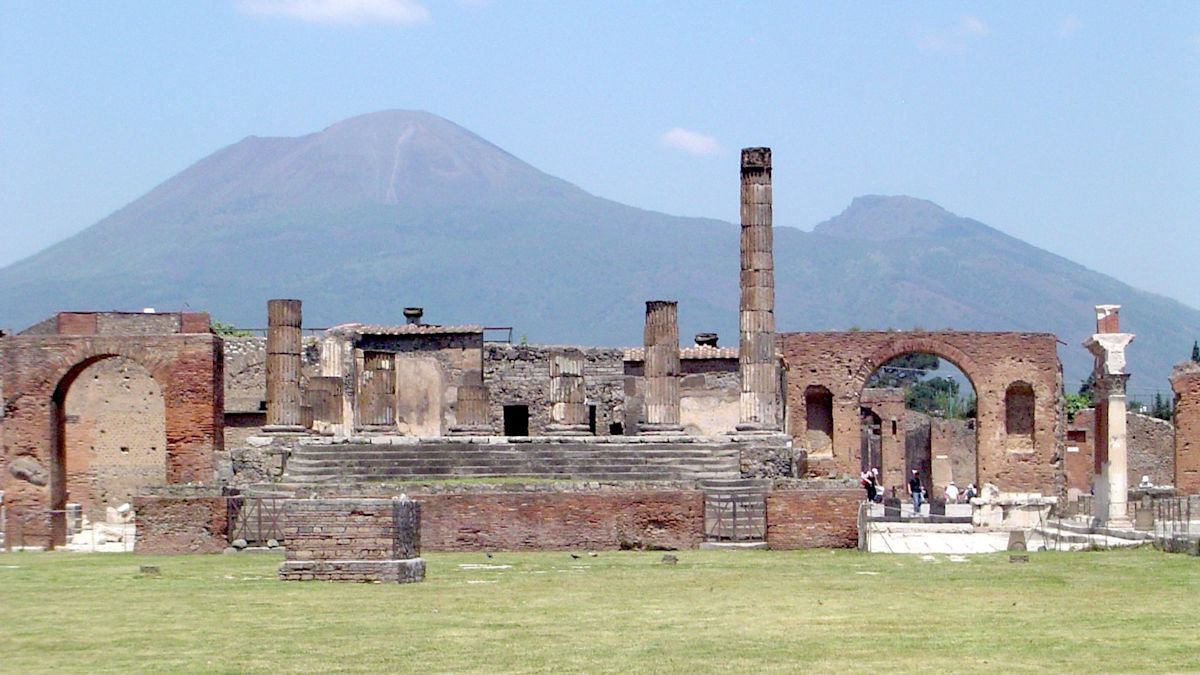
In a significant advancement for geology, researchers have enhanced the accuracy of argon-argon dating by calibrating it against the date of Mount Vesuvius’ eruption, which occurred on August 24, 79 CE. This calibration was aided by the historical account of Pliny the Younger, who documented the eruption that destroyed Pompeii and claimed the life of his uncle, Pliny the Elder.
Scientists from the Berkeley Geochronology Center, UC Berkeley, and the University of Padua reported that this recalibrated technique allows for more precise inferring of the timing of geological events, including volcanic eruptions. By applying this method to samples of sanidine, a potassium-rich mineral from Vesuvius, the researchers dated the eruption with remarkable precision—1,938 years before 2025, with an accuracy margin of just 0.4%.
Graduate student Caroline Hasler contributed to narrowing down the eruption’s timeframe, solidifying the traditionally accepted date to within two months. This allowed for a more accurate calculation of the half-life of the radioactive decay process that argon-argon dating relies on, resulting in a value of 12.044 billion years—much more precise than previous measurements.
The method builds on past efforts to date major geological events, demonstrating its significance in establishing timelines for volcanic activity and potentially validating other dating techniques. This research was detailed in the journal Science Advances.


