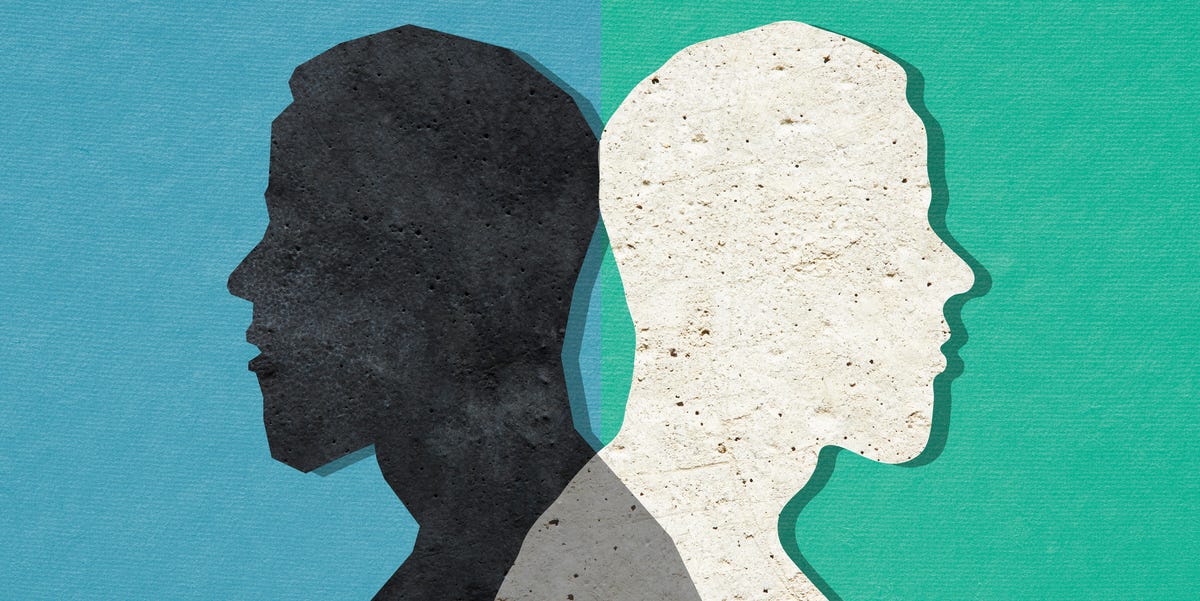
The article explores the neural and psychological differences between individuals in positions of power and those in lower socioeconomic statuses. A major study revealed that the brain structures of those with higher status exhibit less empathy and altered social perception. This shift may stem from a lack of perceived social consequences, allowing powerful individuals to focus less on the feelings of others.
The discussion is framed around queries regarding the psychology of elites, especially in the context of scandals like that of Jeffrey Epstein, and how powerful individuals can seemingly detach from the moral implications of their actions.
Key findings include:
- Empathy Diminution: Powerful individuals engage empathy responses less than those in lower positions; their brains adapt in ways that might diminish sensitivity to social cues.
- Neuroscientific Bases: Studies show brain structure differences related to socioeconomic status, including white-matter integrity that may influence cognitive function and awareness of others’ situations.
- Social Filters: Environments of power often create filters for information, where leaders may only receive positive feedback, skewing their perception of reality.
- Practical Solutions: To counteract this disconnect, suggestions like implementing “structural empathy” (e.g., shadowing lower-level employees) could help leaders stay attuned to broader experiences within their organizations.
The article ultimately raises philosophical questions about the nature of power and human judgment, illustrating the intricate relationship between social status and brain function.


