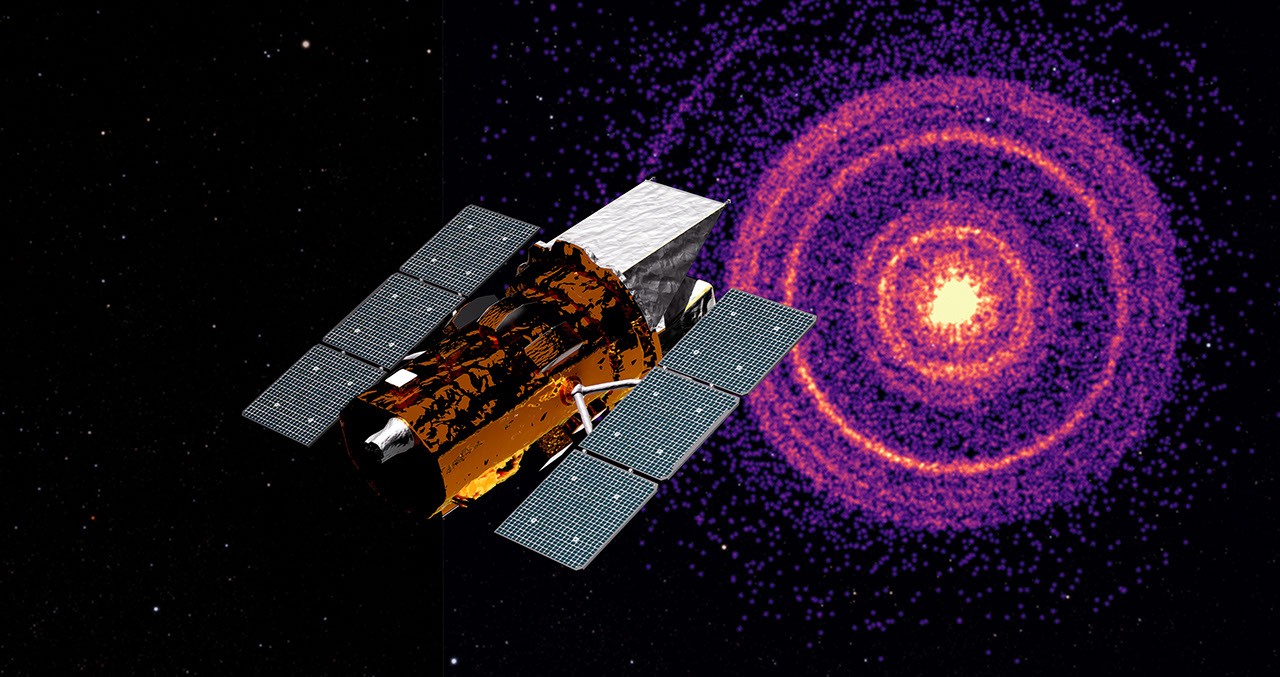
NASA’s Neil Gehrels Swift Observatory has resumed operations of its Burst Alert Telescope, kicking off data collection again in August. This comes after a scaling back of a commercial mission aimed at boosting Swift to a higher altitude.
As of September 18, the Burst Alert Telescope has been calibrated and is successfully detecting gamma rays, the most energetic form of light. It had been offline since April to conserve power and enhance the satellite’s orbital longevity in preparation for the boost.
Typically, the Swift flight operations team at Penn State provides daily observation plans. However, the observatory is programmed to automatically redirect its other telescopes to new gamma-ray flares detected by the Burst Alert Telescope.
In December 2025, the operations team modified about 25% of planned science targets to minimize drag. By February, this strategy was fully implemented, ceasing the automated slews from the Burst Alert Telescope.
On September 21, the observatory resumed automated pointing after the gamma-ray instrument was back online. However, this return to science has led to a faster descent, now located about 200 miles above Earth. At altitudes below 185 miles, operations become challenging, and the Swift team expects to reach this threshold by early to mid-October.
For more information, visit the Swift blog.
Author: Jeanette Kazmierczak
Date: September 25, 2026


