The Rise and Fall of Funko: A Comeback Strategy
For many celebrities, having a Funko Pop! doll made in their likeness signals success in Hollywood. These 4-inch vinyl figurines with oversized heads represent a staple of pop culture. Funko’s flagship store in Hollywood boasts a diverse range of collectible figures, from NFL players to Disney princesses.
However, Funko Inc. is facing substantial challenges. Last year, the company reported a loss of $67.4 million on sales of $908.2 million, a 13% decrease from the previous year, alongside $225 million in debt. The company has cautioned investors about doubts regarding its ability to maintain cash flow for debt obligations, citing tariffs on products manufactured in China, canceled retail orders, and expected breaches of loan covenants.
A Turnaround Begins
Josh Simon, who took on the role of chief executive in September 2025, is steering Funko’s turnaround. He has a vision to restore the company’s previous success by tackling its existing problems and tapping into fan enthusiasm.
Funko began in 1998 as a small project focusing on bobbleheads, and its journey led to the iconic Pop! figurines. However, overproduction and misjudged character popularity have contributed to recent sales declines, compounded by tariffs that increased manufacturing costs. The retailer’s response—significant markdowns—has alienated collectors, who prefer items that appreciate in value.
Despite these difficulties, the rise of “kidults,” or adult collectors of toys, has sustained the brand. Simon notes that demand from celebrities looking to immortalize themselves as Funko Pops has not waned.
Implementing Strategic Changes
To course-correct, Funko has diversified its supply chain, shifting production to countries like Vietnam and aimed to enhance cash flow by accelerating product launches. Notably, they produced dolls for the hit Netflix movie K-Pop Demon Hunters in just four months, showcasing a marked improvement in speed compared to competitors.
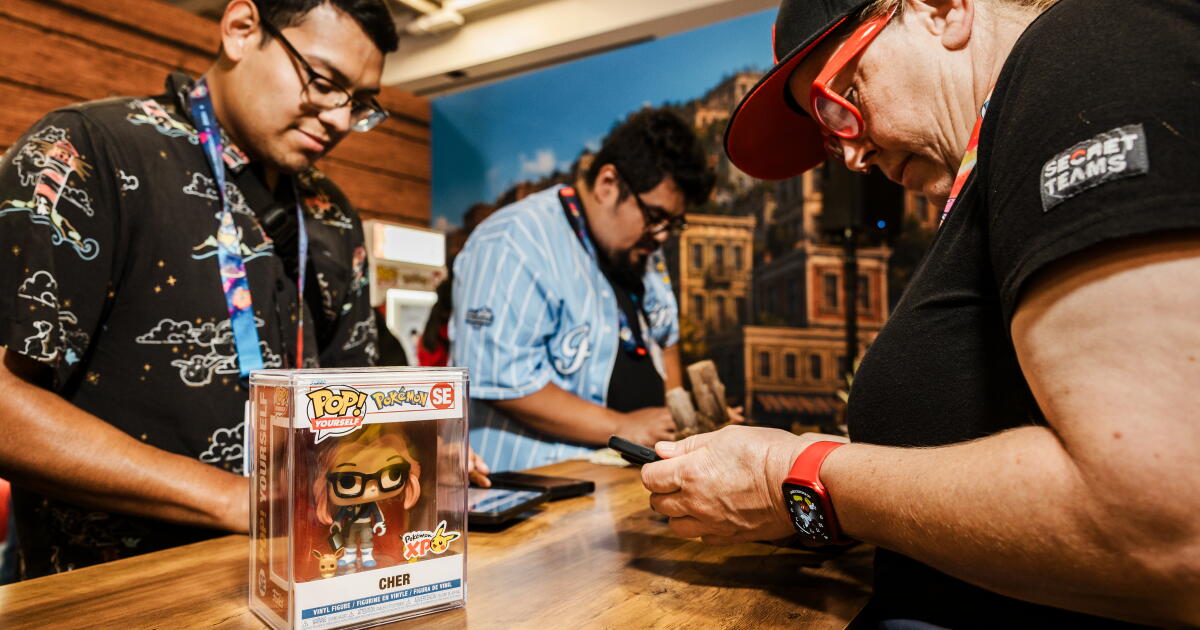
The company is also expanding its licensing strategy to include broader content, producing figurines based on popular books revived on platforms like TikTok, and creating original characters. Engaging directly with fans, Funko hosted the Pop! Yourself booth at the recent Pokémon fan convention, allowing attendees to create custom figures.
Positive Signs of Recovery
Initial outcomes from this turnaround have shown promise; Funko’s second-quarter sales increased by 7% to $207.7 million, with net income rising to $15.4 million, especially beneficial due to anticipated tariff refunds.
Despite still being significantly lower than its valuation in early 2025, Funko’s stock price has seen a 38% increase over the past year. While it remains to be seen how successful Simon’s strategies will be long-term, the current trajectory signals a hopeful turnaround for the brand.
As Funko continues to adapt, its ability to stay relevant in a rapidly changing market will determine whether it can reclaim its cherished place in pop culture.


