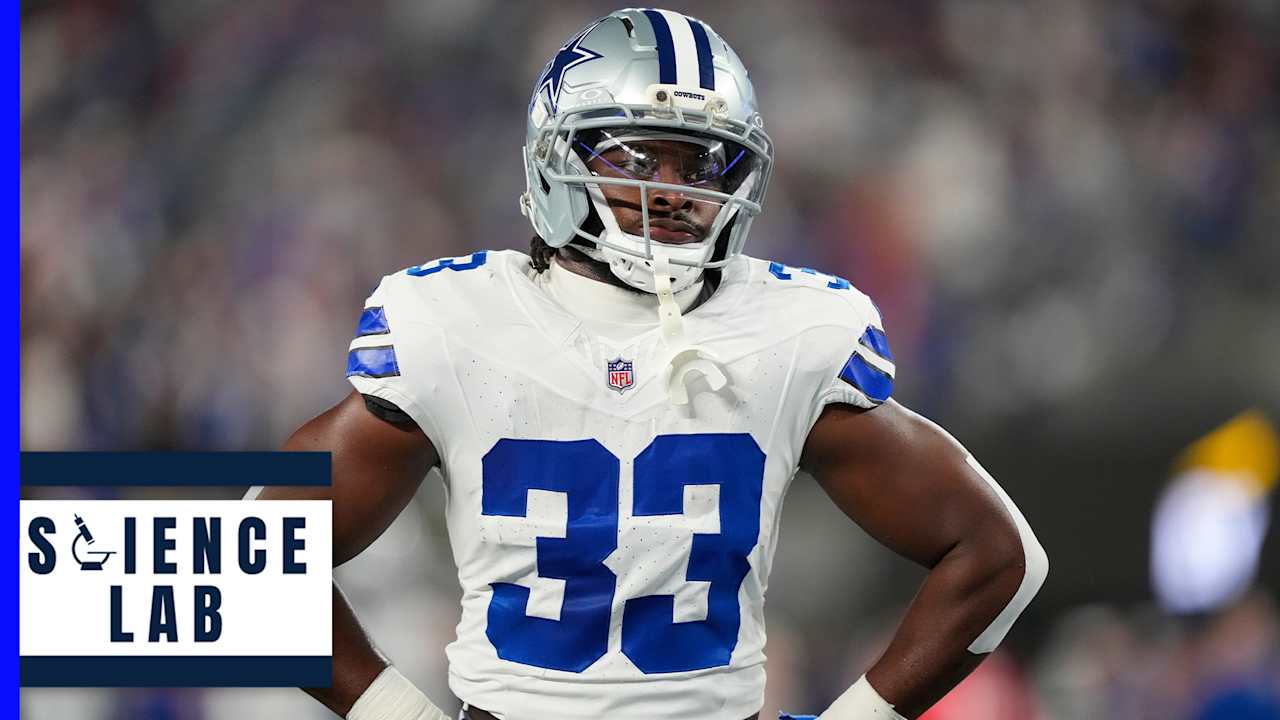
What’s Wrong with the Cowboys’ Rushing Attack?
As we head into Week 3 of the NFL season, the Dallas Cowboys face a pressing issue: their rushing attack has been far from effective, significantly hindering their offensive performance. Despite a strong passing game led by Dak Prescott, the ground game has struggled, raising serious questions about the team’s strategy and execution.
Current State of the Offense
In Week 2, the Cowboys put up an impressive 37 points against the Washington Commanders, with Prescott breaking the franchise record for passing touchdowns. However, this performance masked underlying issues: the rushing game was still misfiring. Rookie running back Javonte Williams is not to blame; he’s shown potential in past seasons but is facing severe challenges that stem from the offensive line’s performance.
Offensive Line Challenges
Williams has been frequently met by defenders before he even has a chance to make a significant gain. In the first two games of the season, he faced defenders in the backfield on 13 of 24 carries—a staggering 54% rate. This statistic demonstrates the line’s inability to create running lanes, mainly due to the absence of All-Pro Tyler Smith, who anchors the line.
- Week 1: 50% of Williams’ carries were met behind the line.
- Week 2: This number rose to 58.3%.
Brian Schottenheimer, the offensive coordinator, has acknowledged this lack of effectiveness with blunt honesty, stating, “We’re not doing a great job blocking.”
Impact of Tyler Smith’s Absence
Without Tyler Smith, the chemistry and identity of the offensive line seem compromised. The lack of coordinated blocking has forced Williams into precarious situations where he’s confronted by multiple defenders before reaching the line of scrimmage.
Comparative Performance
Looking at Williams’ previous successes against the same opponents last season, it’s striking. When he had adequate blocking support, his rushing success rate was markedly better:
- Against the Commanders last season, Williams faced far fewer defenders lining up in the box, allowing him significant yardage and ease of movement.
Explaining Low Rush Yards
Despite the talent pool in the backfield, the Cowboys have yet to produce a significant rushing play of over 10 yards this season. As of now, Williams’ longest run is just nine yards, and his rushing stats reveal alarming trends:
- The team hasn’t executed an effective running game to alleviate pressure from Prescott, leaving him to shoulder the offensive load.
Defensive Game Plans Against the Cowboys
Interestingly, opposing defenses like the Giants and Commanders haven’t felt the need to stack the box against Williams. They seem confident their defensive front can withstand the Cowboys’ blocking efforts, forcing the Cowboys to prove otherwise on the field.
Moving Forward
The return of Tyler Smith could potentially restore some balance to the rushing attack, but it’s essential for the offensive coaching staff to find solutions in the meantime. The lack of a reliable rushing game not only limits the offense’s efficiency but also exposes the defense to prolonged drives against formidable opponents like Derrick Henry and Lamar Jackson.
In conclusion, for the Cowboys to become a well-rounded team, they need to address the ongoing issues within the rushing attack and elevate the performance of the offensive line. It’s essential not just for Williams but for sustaining a robust offensive game plan this season. The Cowboys must act swiftly; otherwise, “close doesn’t pay the bills.”


