Embracing AI in Advertising: Navigating Change and Upholding Standards
As the advertising industry enters Fall 2026, the integration of AI continues to dominate discussions at major industry events. Initially hailed for its potential to enhance innovation and efficiency, the pervasive use of AI is now raising concerns about quality and job security.
Declining Standards
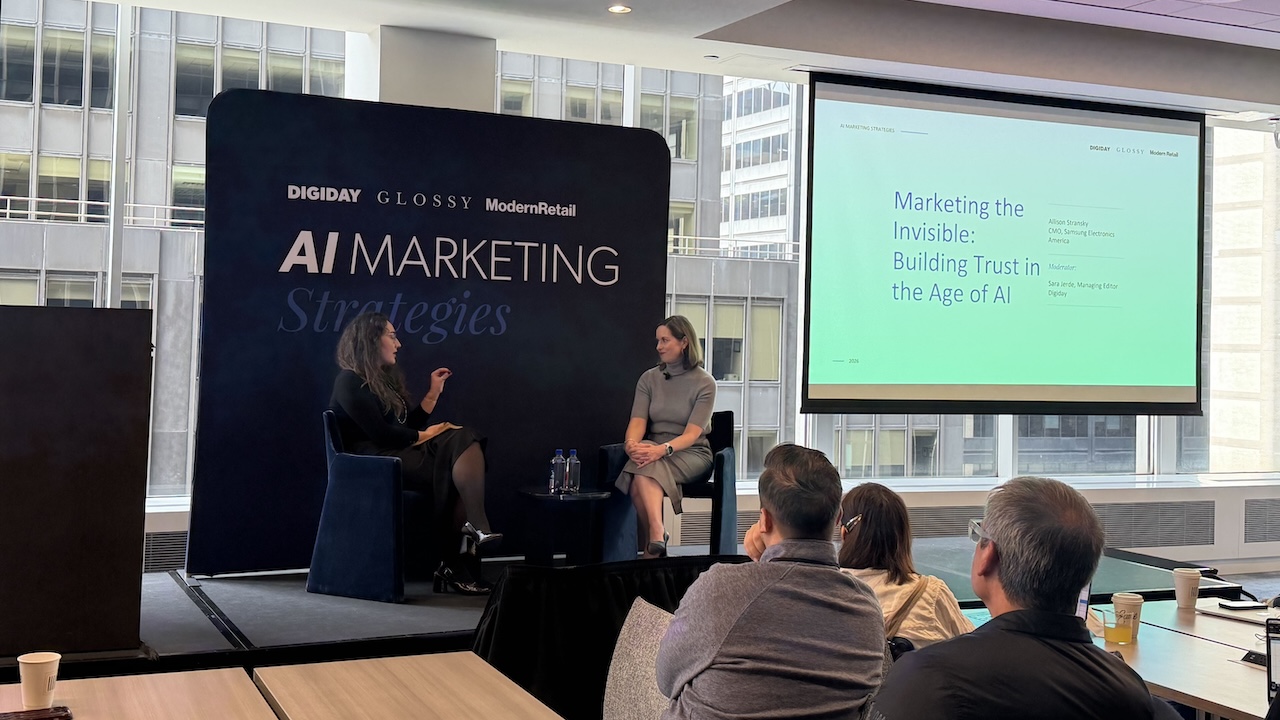
At a recent town hall session of the AI Marketing Strategies event, brand-side marketers shared their frustrations regarding the declining standards in advertising. The theme of “change management” emerged as companies grapple with automating workflows in the face of AI-driven job cuts.
Many marketers expressed anxiety that ramping up content output through AI compromises brand integrity. One participant from a luxury beauty brand stated, “The quality control is so bad… establishing brand standards in AI-driven platforms is challenging.” This sentiment reflects a broader concern that automation could harm premium brand equity.
Another marketer lamented, “There’s a growing acceptance of ‘good enough — go,’” pointing to the laxity in creative execution, even to the point where their own logo was misrepresented in agency work. This highlights the urgent need for oversight when utilizing AI-generated content, especially for high-stakes brands.
Approaching Change Management
Discussions also focused on the necessity for strategic change management during this transition. Stakeholders from brands, agencies, and technology vendors need to consider the human aspects of implementing automation. One agency leader noted, “With AI, you can get to where you need to within hours… Employees may feel threatened, but we need to help them navigate this new landscape.”
Isabel Perry of DEPT stressed the importance of adapting marketing strategies from the digital-first era to accommodate a future dominated by AI-driven traffic. She asserted that measuring performance should transcend mere metrics, advocating for a focus on identifying gaps in consumer engagement instead of just chasing traditional benchmarks.
Strategic Budget Allocation
Amid these discussions, the need for reallocating marketing budgets emerged. Understanding which parts of the consumer journey remain human versus those managed by AI is crucial. Rajiv Ragu of Thorne pointed out that in a “zero-click world,” businesses must invest in keeping their content libraries relevant. Ignoring this need dramatically increases the risk of brand damage.
Conclusion
As the ad industry navigates the complexities of integrating AI, it faces challenges surrounding quality standards, workforce changes, and strategic planning. By addressing these issues thoughtfully, marketers can lay the groundwork for a future where technology enhances rather than undermines brand integrity.


