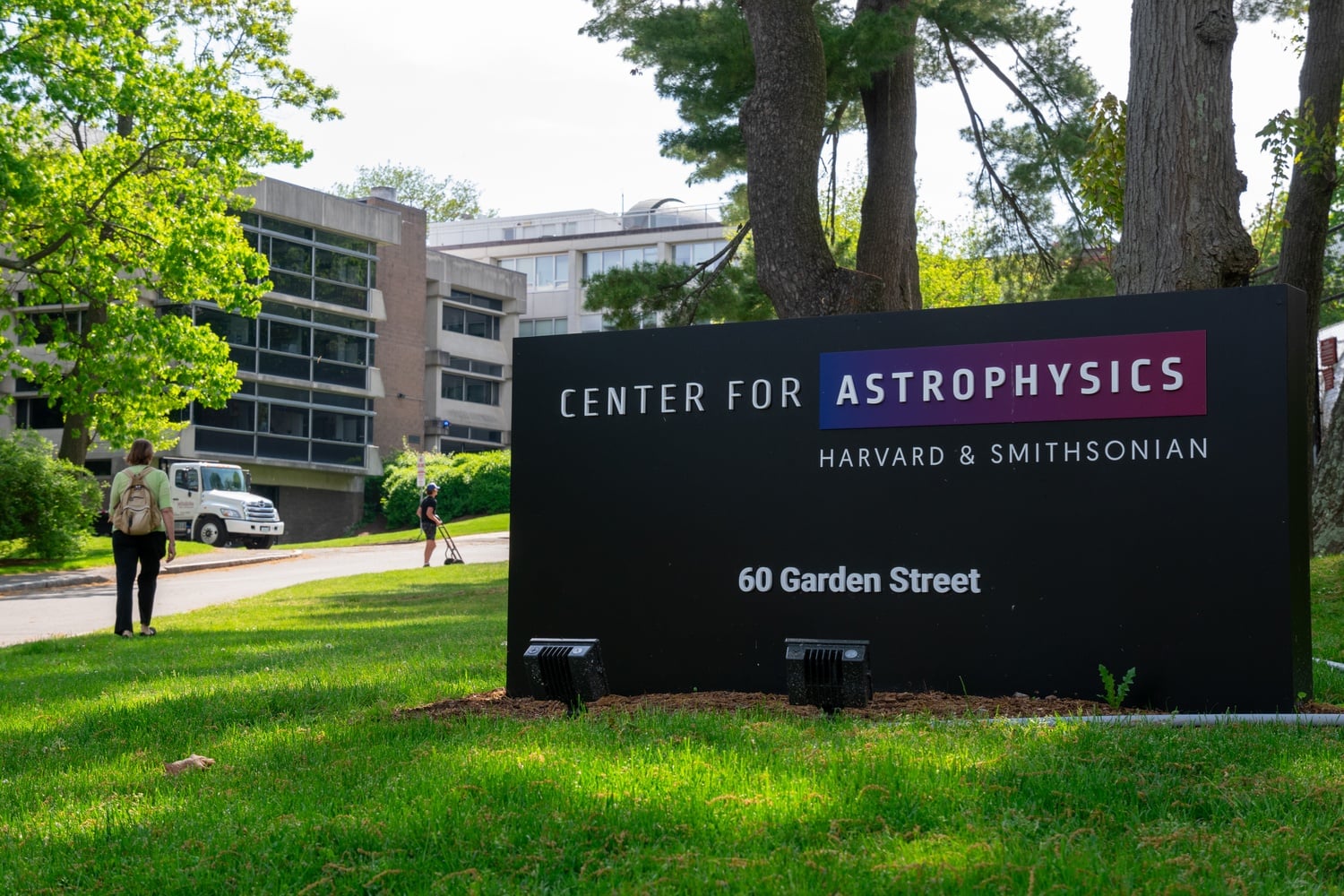
Harvard-Smithsonian Center for Astrophysics Secures NASA Funding
Four principal investigators at the Harvard-Smithsonian Center for Astrophysics (CfA) have been awarded NASA funding to analyze data from the newly launched Nancy Grace Roman Space Telescope. This flagship observatory aims to survey extensive areas of the sky.
Overview of the Projects
Several other CfA scientists will assist in leading projects selected from a competitive pool of 374 proposals during the initial cycle of Roman’s General Investigator Program. This initiative allows astronomers to apply for NASA support to conduct research related to the telescope.
The funding primarily supports the analysis of data collected by Roman, in addition to related theoretical and laboratory investigations. Notably, only six of the selected projects will involve directing the telescope for new observations.
Insights from Researchers
Rodrigo C. Rosado, a postdoctoral fellow at the CfA, mentioned that their application focused on analyzing pre-existing data rather than seeking new observations. The first cycle of funding will cover the telescope’s inaugural year of operations, with plans for annual competitions throughout the telescope’s five-year mission.
The awards do not provide researchers with exclusive access to Roman’s data, which will be made publicly available immediately. CfA astronomer Anya E. Nugent emphasized the value of this funding for research purposes.
Comparative Observations
CfA astronomer Kevin J. Napier noted that Roman is expected to achieve a survey in a year and a half that would take the Hubble Space Telescope—operational since 1990—about 150 years to complete.
Specific Research Focus
Rosado’s team will target strong gravitational lenses in Roman’s images, utilizing observations to measure the universe’s expansion rate, contributing to the understanding of dark energy, which constitutes approximately 70% of the universe’s energy density.
Nugent plans to combine Roman’s near-infrared observations with visible-light data from the Vera C. Rubin Observatory to examine galaxies associated with supernovae and cosmic explosions.
Future Prospects and Funding Utilization
With their grant, Nugent and her advisor, Harvard Astronomy professor V. Ashley Villar, aim to enhance focus on host galaxy science, an area they found lacking in existing research plans.
Rosado expressed enthusiasm about the potential discoveries that could arise from their inquiries into the fundamental aspects of the universe, stating, “You never know what those fundamental questions might produce.”
For further inquiries, staff writer Francesco Palma can be reached via email.


