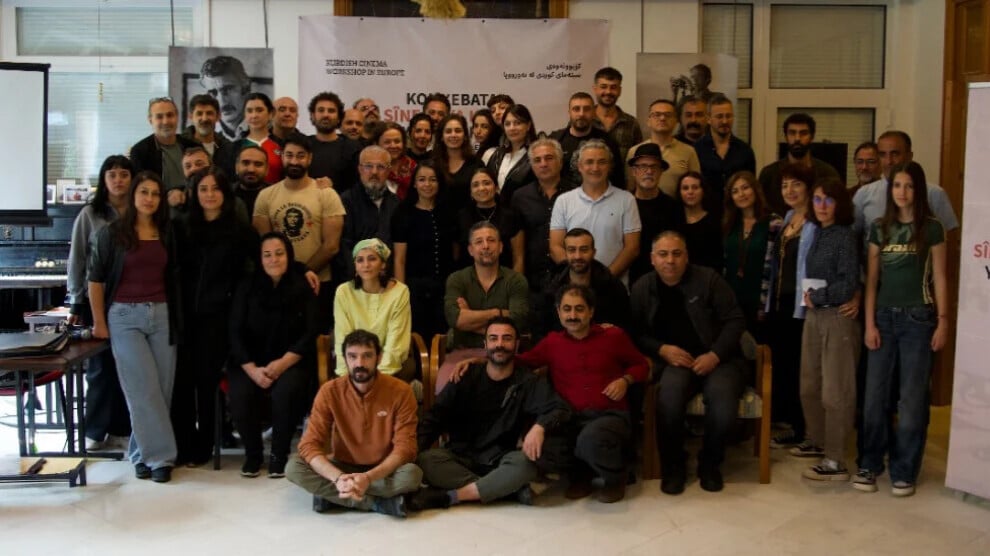
The Kurdish language and culture institutions in Europe have united to advocate for the right to education in Kurdish in Rojava, calling for its constitutional guarantee and equal status with Arabic in Syria. They criticized restrictions that reduce Kurdish education to individual classes or foreign language status, labeling these actions a denial of human rights.
The institutions emphasized that mother-tongue education is essential for cultural identity and should not be treated as a political preference. They highlighted an alarming historical trend where Kurds have been denied the use of their language in education and public life.
Recent efforts by the transitional government in Damascus to limit Kurdish language education are seen as dangerous and reminiscent of past assimilation policies. The organizations outlined four key demands:
1. Constitutional and legal guarantees for Kurdish-language education.
2. Official status for Kurdish as a language of instruction at all education levels.
3. Removal of barriers to the use of Kurdish in public and civil society.
4. Assurance that the right to education in one’s mother tongue is not compromised in political negotiations.
Osman Kapan from the Kurdish Institute in Germany remarked on the need to resist these governmental attempts to curtail Kurdish education and urged the community to maintain their language in daily life. The collective sentiment is one of solidarity with the Kurdish people in Rojava as they strive to uphold their linguistic and cultural rights.


