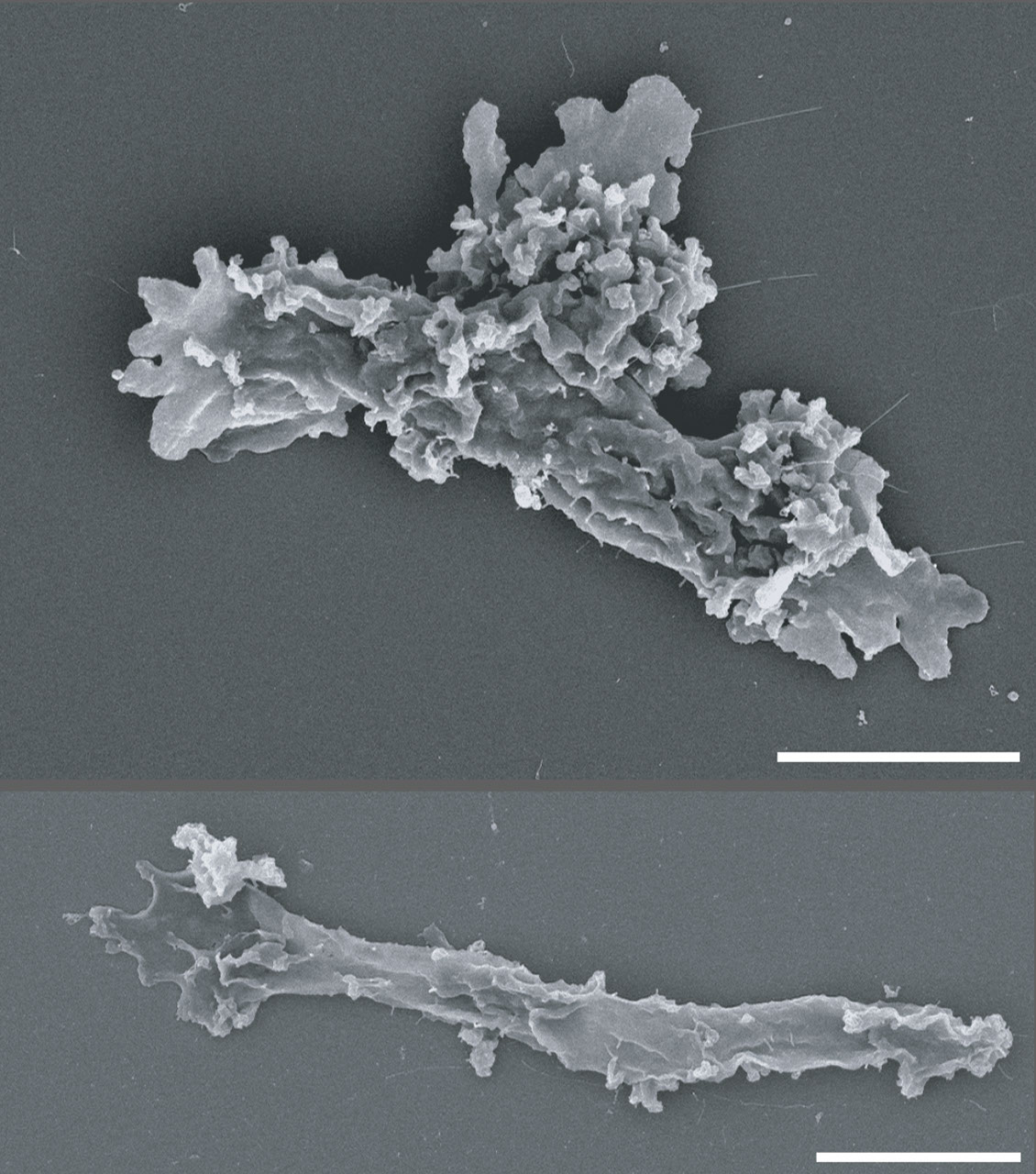
NASA Uncovers Extremophile Amoeba Thriving at Record High Temperatures
NASA-supported scientists have made a groundbreaking discovery: a new organism, an amoeba named Incendiamoeba cascadensis (also known as the fire amoeba), can reproduce at an unprecedented temperature of 145°F (63°C) in California’s Lassen Volcanic National Park. This discovery establishes a new upper temperature limit for eukaryotes, organisms that have complex cellular structures, including a membrane-bound nucleus.
Limitations of Life
Extreme temperatures typically jeopardize the stability of cellular components necessary for life. Prior research indicated that eukaryotes, which include everything from single-celled organisms to multicellular plants and animals, could not withstand temperatures above 140°F (60°C) without suffering cellular breakdown.
Understanding Extremophiles
Extremophiles are organisms that thrive under extreme environmental conditions, such as high temperatures, acidic environments, or intense radiation. Studying these entities can offer insights into the limits of life on Earth and potentially inform the search for life on other planets, such as Mars, where conditions may be similar.
Characteristics of I. cascadensis
- Habitat: Found in volcanic hot springs.
- Temperature Range: Actively moves and searches for food at temperatures as high as 147°F (64°C).
- Reproduction: Stops reproducing at temperatures above 145°F but remains active.
This discovery challenges the previous belief about the upper limits of eukaryotic life and suggests that these complex cells may be more resilient than previously thought.
Eukaryotic vs. Prokaryotic Life
Life on Earth is primarily divided into two categories: prokaryotes (simpler, single-celled organisms without a nucleus) and eukaryotes (more complex organisms with a nucleus and organelles). While prokaryotes, such as bacteria and archaea, have long been known to thrive in extreme conditions, the new findings indicate that eukaryotes like I. cascadensis can also endure these harsh environments.
Gene Expression and Survival Mechanisms
The research team sequenced the genome of I. cascadensis, finding unique genes that stabilize DNA and aid in environmental sensing and protein folding at high temperatures. Some proteins exhibited a high positive surface charge, which enhances their stability—similar to those found in thermophilic bacteria and archaea.
Implications for Astrobiology
The findings have significant implications for astrobiology, expanding our understanding of where complex life could exist beyond Earth. The research suggests that if complex life forms can thrive in extreme environments on Earth, similar organisms may exist in other challenging environments across the universe.
Conclusion
While the study of extremophiles helps define the boundaries of life, it also emphasizes that the survival of organisms like I. cascadensis is contingent upon a broader ecosystem, including the right acidity, oxygen levels, and food sources. Earth remains unique in providing the necessary conditions for such complex life. As we explore the cosmos, understanding these limits will guide future searches for extraterrestrial life.
For further information on astrobiology, visit NASA’s Astrobiology website.


