Stem Cell Transplants May Repair Stroke Damage
Researchers from the University of Zurich have found that stem cell transplants could potentially repair stroke-induced brain damage. In experiments on mice, the treatment demonstrated the ability to generate new neurons, restore movement, and initiate various brain repair processes, marking an encouraging advancement in regenerative medicine for neurological injuries.
The Impact of Stroke
Stroke affects approximately one in four adults over their lifetime, leading to lasting disabilities like paralysis and speech difficulties. Typically, damage occurs when the brain is deprived of oxygen or experiences bleeding that destroys brain cells, resulting in permanent deficits. Current treatments lack the capacity to rebuild damaged brain tissue.
Christian Tackenberg, Scientific Head of the Neurodegeneration Group at UZH, emphasizes the need for innovative therapeutic strategies to achieve brain regeneration post-stroke.
Utilizing Neural Stem Cells
The research team, under Tackenberg and postdoctoral researcher Rebecca Weber, explored the use of neural stem cells, which can differentiate into various brain cell types, in two collaborative studies with Ruslan Rust at the University of Southern California.
The findings indicated that the transplanted cells did more than replace lost neurons; they also initiated other regenerative processes.
Human Stem Cells in Action
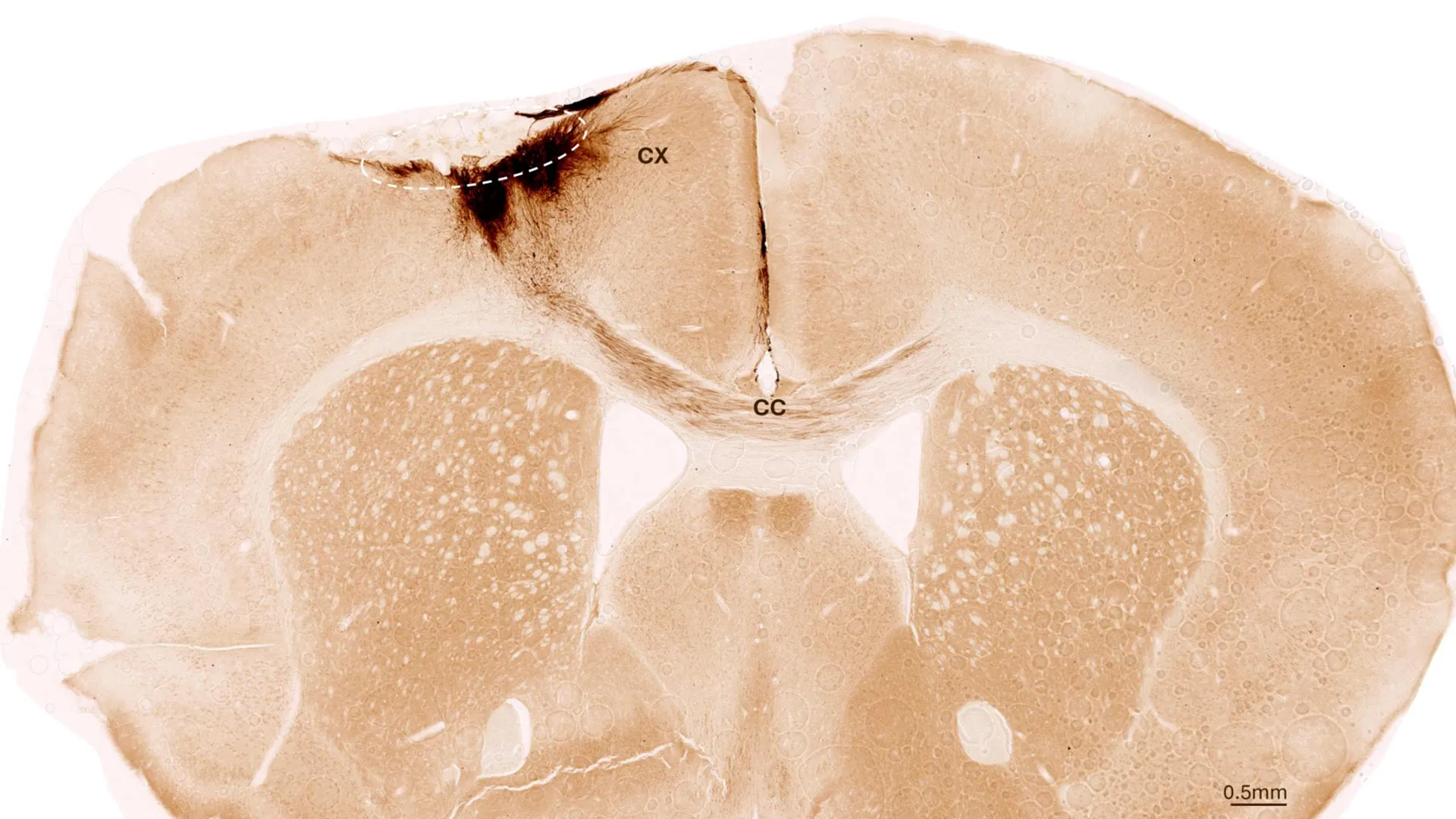
Researchers employed human neural stem cells derived from induced pluripotent stem cells (iPSCs), which are created by reprogramming ordinary human cells. After inducing permanent strokes in mice to mimic human stroke conditions, the team transplanted human-derived neural stem cells into the damaged brain regions one week post-stroke.
Imaging and biochemical analyses revealed that the stem cells survived five weeks and predominantly transformed into neurons that integrated with existing brain cells, crucial for restoring functionality.
Signs of Repair
The treatment prompted multiple healing responses:
- Formation of new blood vessels in damaged areas
- Reduction of inflammation
- Improved integrity of the blood-brain barrier, which protects brain tissue from harmful substances
These biological changes correlated with observable motor improvements in the mice, confirmed through AI-assisted analysis of their walking patterns.
Timing Matters
Interestingly, the research suggested that waiting a week to perform the stem cell transplantation yielded better results than immediate treatment post-stroke, which could streamline the process for clinical applications by allowing more preparation time for healthcare providers.
Pathway to Human Trials
Although the findings are promising, several challenges remain before the therapy can be widely tested in humans. Concerns include controlling stem cell growth within the brain. Tackenberg’s team is working on a safety switch to mitigate this risk, along with exploring less invasive methods of cell delivery, such as through blood vessels.
There are ongoing clinical trials involving induced stem cells for treating Parkinson’s disease, providing a template for potentially advancing stroke therapies in the future. Tackenberg believes that stroke could soon be the focus of clinical trials for stem cell therapies.


