Daily Headlines: Private Capital Must Cover Two-Thirds of Brazil’s Energy
Despite the dominance of the state-owned energy company Petrobras, the private sector is set to play a crucial role in meeting Brazil’s energy demands in the upcoming years.
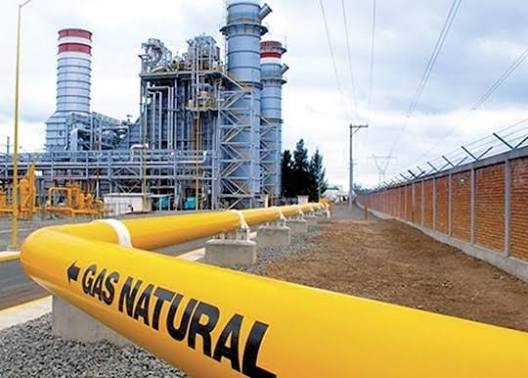
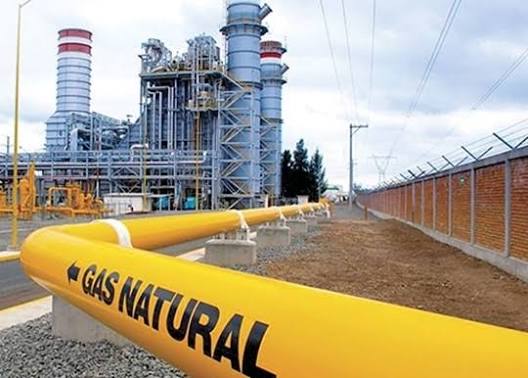
In the energy sector, Cenagas, Mexico’s state-owned natural gas pipeline operator, is forecasting a double-digit increase in gas demand.
In Central America and the Caribbean, more than US$2.75 billion in opportunities are arising, as regional governments seek to tender contracts related to ports, highways, hospitals, and airports.
Key News:
-
Petrobras President Magda Chambriard stated that the company will only meet one-third of Brazil’s energy needs by 2050. Private capital is expected to address the remaining demand, with projections indicating a surge from 291 million tons of oil equivalent in 2025 to between 466 million and 582 million by 2055. Read more here.
-
Cenagas is developing gas pipelines worth US$2.9 billion, anticipating a 32% demand increase by 2041. The majority of this investment will go to the 486km Naco-Guaymas pipeline, linked to the Amigo LNG export plant in Sonora. Read more here.
-
In Brazil, institutional investors are awaiting the regulations of the ReData incentive regime to accurately assess the risk of data centers. If already-ordered equipment is excluded from tax benefits, companies may incur full taxes exceeding 50% of technology asset values. Read more here.
-
Central America and the Caribbean are projected to tender over US$2.75 billion in infrastructure, including ports, highways, and airports. Projects include Panama’s Tocumen airport expansion and Costa Rica’s Tony Facio hospital. Multilateral funding, such as US$250 million from the World Bank, is backing several initiatives. Read more here.
-
In Chile, the transition to hydrogen for fleets will depend on refueling prices rather than production costs. The draft national green hydrogen strategy aims for a cost below US$4 per kilo by 2030, while acknowledging that transport and distribution costs pose uncertainties. Read more here.
(This summary is based on the original content written in Portuguese.)


