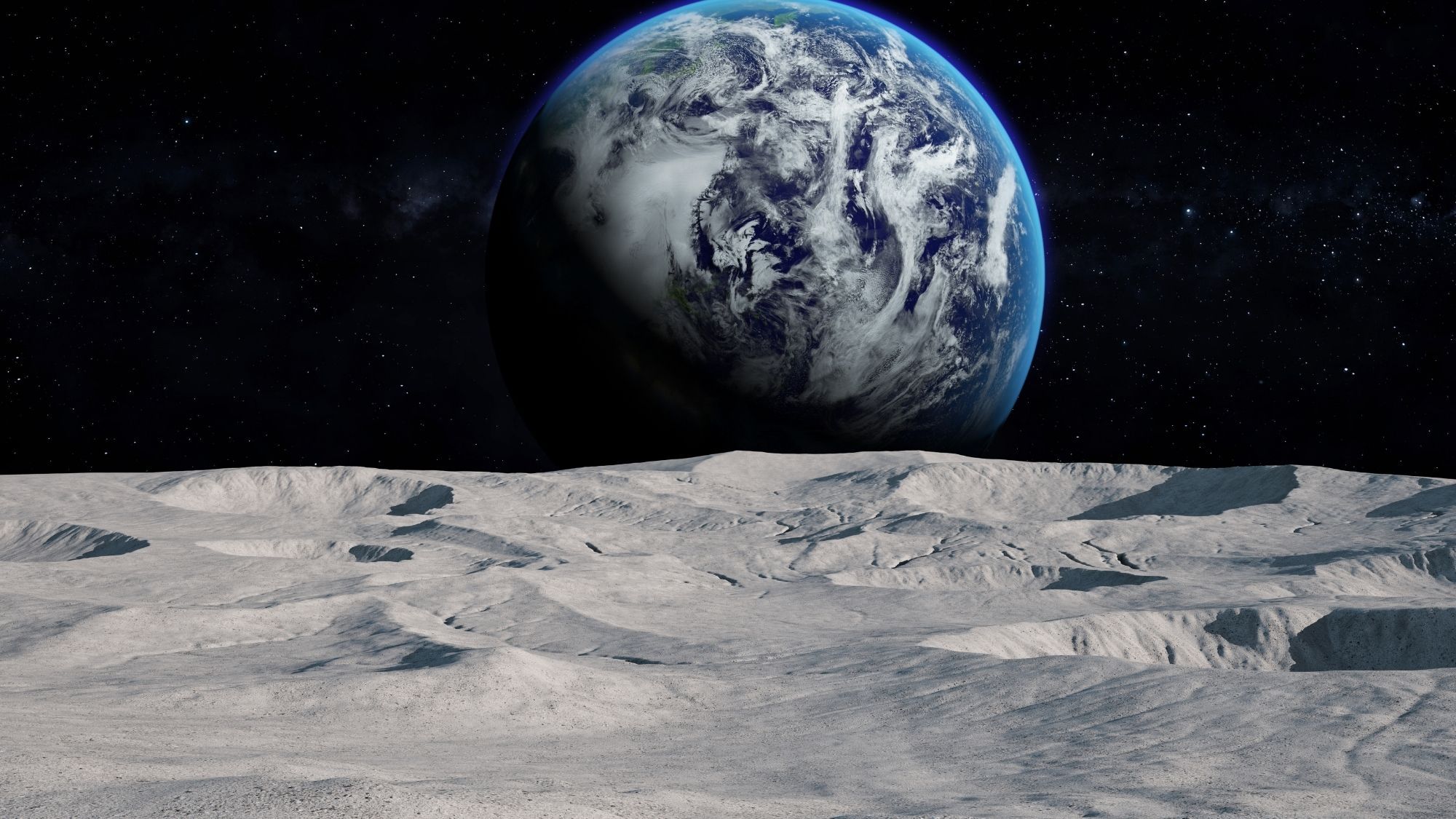
The idea of creating human colonies on the moon has sparked excitement among tech billionaires, yet a new study reveals significant challenges to this vision. According to a paper in Frontiers in Space Technologies, even with optimistic estimates of lunar water reserves, a city of one million people could run out of water in just 2.4 years.
Researchers Martin Elvis and Jonathan McDowell emphasize that current plans for lunar cities, often filled with dreams about mining water ice and farming in zero gravity, are overly ambitious. They argue that even with a total of 1 billion tons of water—a vast quantity equivalent to 400,000 Olympic swimming pools—water rationing would just prolong the inevitable.
If residents manage to recycle wastewater at high efficiency, similar to systems used on the International Space Station, the city would still face severe water shortages within a century, especially if conveniences like showers and laundry are included. The researchers warn that if lunar water supplies are actually much less than anticipated—say, 30 times smaller—the colony could collapse in under four years.
Beyond just drinking water, the needs for hygiene, agriculture, oxygen production, and rocket fuel complicate the situation further. Significant innovations across multiple sectors would be necessary to support even a small outpost, resembling those in Antarctica. Without groundbreaking advancements, the prospects for sustainable living on the moon appear grim.


