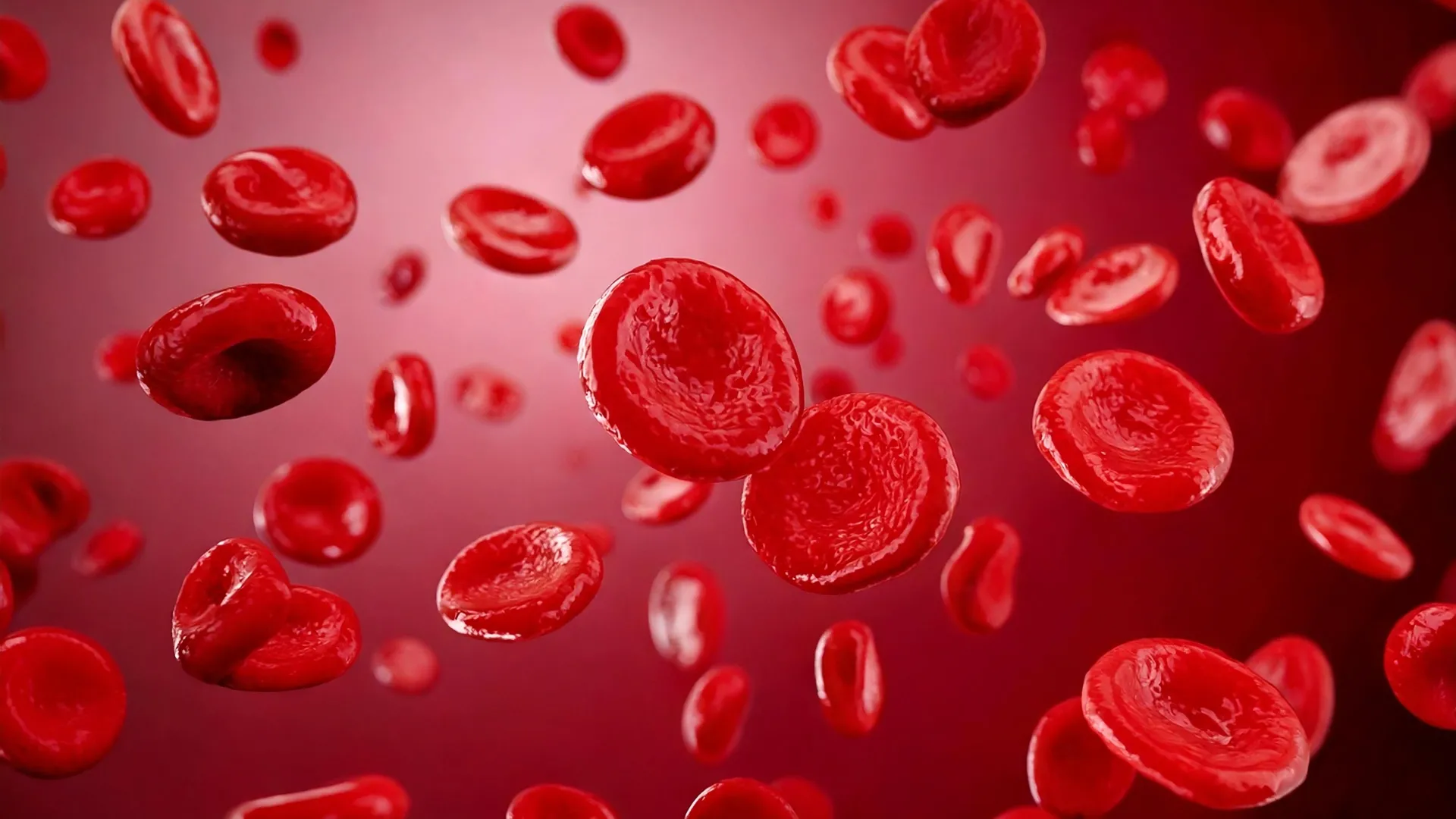
This article discusses a significant breakthrough in the understanding of the AnWj blood group system, which is linked to a rare blood antigen on human red blood cells.
Key Points:
-
Discovery of the AnWj Antigen:
- The AnWj antigen was first identified in 1972 but its genetic source was unknown for decades. More than 99.9% of people are AnWj positive, making the identification of AnWj negative individuals crucial for safe blood transfusions.
-
The Role of Researchers:
- Scientists from NHS Blood and Transplant in Bristol and the University of Bristol led the research that established MAL as the genetic source of the AnWj antigen, solving a mystery that had persisted for over 50 years.
-
Genetic Findings:
- Whole exome sequencing led to the identification of the MAL gene. In individuals who are AnWj negative, the MAL gene shows specific deletions. The gene produces a protein called Mal, which is critical for the expression of the AnWj antigen on red blood cells.
-
Implications for Blood Transfusions:
- Understanding the genetic basis of AnWj will help blood specialists identify rare AnWj negative individuals through genetic testing. This is vital for providing safe blood transfusions and avoiding serious transfusion reactions.
-
Recognition of MAL:
- The International Society of Blood Transfusion has formally recognized MAL as an official blood group system, which signifies its importance in the field of transfusion medicine.
-
Complex Nature of Blood Types:
- The discovery highlights the complexity of blood types beyond the ABC and Rh systems, underscoring the need for ongoing research into rare blood group systems.
-
Future Directions:
- Genetic testing for MAL mutations could enhance safety in transfusions for patients with rare blood types, aiding in better management of their health and care.
This development emphasizes the importance of genetic research in improving transfusion safety and patient outcomes, particularly for individuals with rare blood types.


