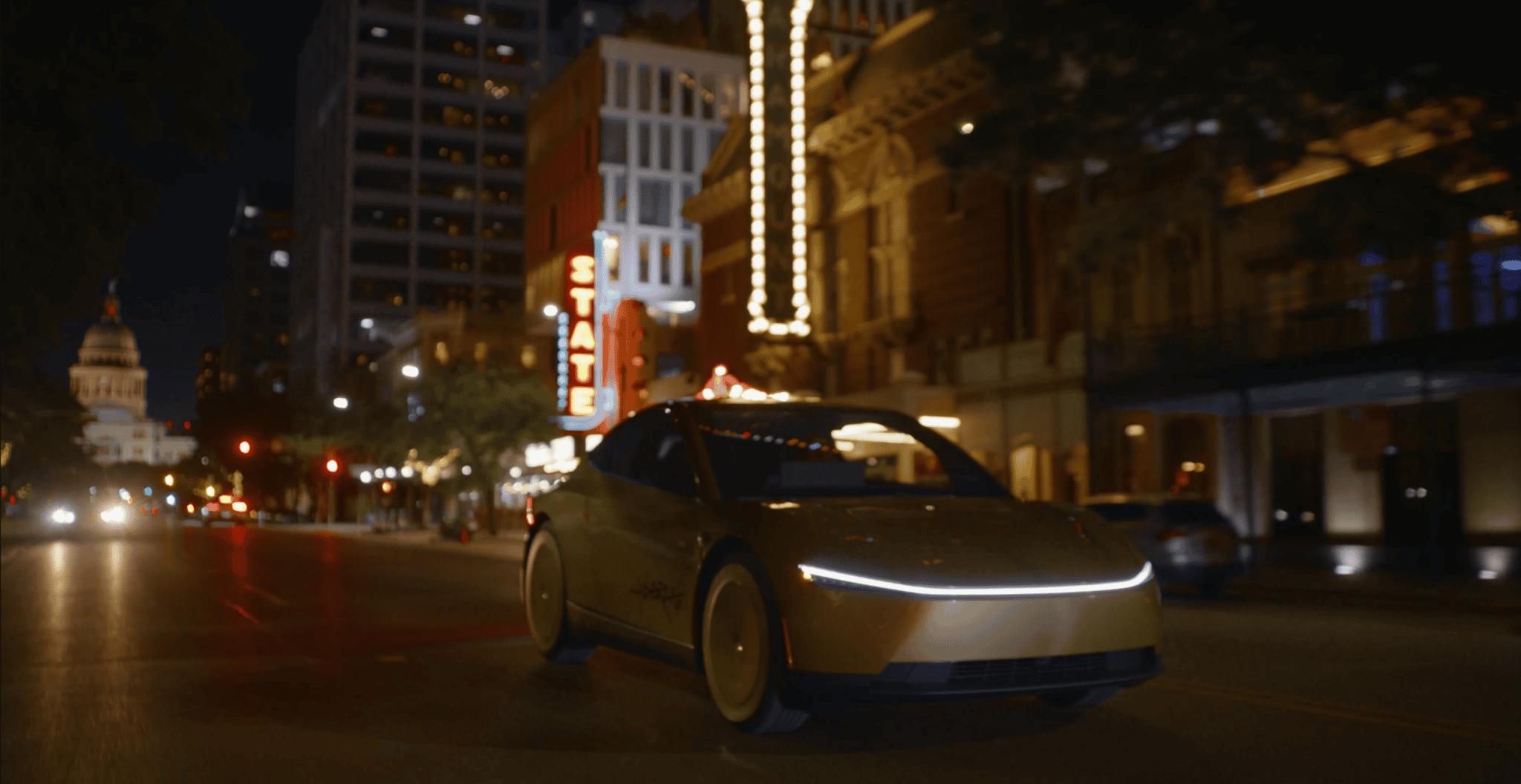
The U.S. National Highway Traffic Safety Administration (NHTSA) is intensifying its scrutiny of Tesla’s Cybercab with a formal Special Order demanding detailed, sworn testimony by September 30. This follows an audit that began coinciding with the vehicle’s commercial debut in Austin.
While Tesla self-certified that the Cybercab complies with Federal Motor Vehicle Safety Standards (FMVSS), NHTSA questions the validity of that certification, particularly in light of specific requirements like FMVSS No. 135, which mandates foot-operated brakes—something the Cybercab lacks.
NHTSA’s request includes 21 detailed inquiries, such as whether the Cybercab can be operated manually with temporary controls and how compliance was originally certified without conventional controls. It underscores that the Cybercab is classified as lacking “permanently attached, conventional manual controls,” raising significant legal implications for Tesla.
The agency previously suggested amendments to the foot-brake rule for autonomous vehicles, but these changes are not final and will not take effect until at least 2028. This means Tesla’s current requirements still apply, regardless of the company’s views.
In contrast, Amazon’s Zoox has proactively pursued regulatory relief by obtaining a temporary Part 555 exemption covering several safety standards, including those under scrutiny for Tesla. These contrasting approaches highlight potential regulatory challenges for Tesla moving forward, especially as the vehicle may be configured differently in various states.

