AI in Science: Expectations vs. Reality
The Current Landscape
When discussing the impact of artificial intelligence (AI) across different scientific fields, perspectives vary widely. Mathematicians feel AI has integrated into their discipline, solving problems and reshaping research dynamics. In contrast, biologists and chemists perceive AI as still in the early stages of making significant contributions, particularly in drug discovery.
Despite high hopes that AI could revolutionize fields like medicine, tangible results remain elusive. AI companies have recently made strides in generating proofs and achieving high-profile results, yet these theoretical advancements have not led to practical improvements in areas like drug discovery or biological experimentation.
Key Findings from Recent Research
A recent report from Google and MIT highlights several disparities in AI’s integration into scientific research. Through a survey of 637 scientists and an analysis of vast amounts of AI conversation data, it found:
- Shifting Bottlenecks: Nearly 44% of scientists noted that their research bottlenecks have shifted downstream to later stages like experimentation and data collection, rather than upstream where new hypotheses are generated.
- Backlog of Hypotheses: 41% of scientists reported an increase in untested hypotheses over the past two years.
Time Spent Verifying AI Outputs
Interestingly, a significant amount of time that researchers save by using AI is often spent verifying the accuracy of AI-generated results. For instance, some researchers spend more than a quarter of their saved time checking AI outputs, leading to questions about AI’s efficiency in different fields. While mathematical proofs can be easily verified, biological predictions require extensive experimental validation, complicating the process.
Challenges in Experimentation
Experts point to several challenges that hinder the automation of scientific experimentation:
- Complexity and Variability: As experiments become more complex, the data needed to train AI models becomes harder to obtain. Moreover, physical experimentation often involves factors that AI models cannot easily account for.
- Regulatory Constraints: In fields like medicine, experiments are slowed by strict regulatory reviews aimed at ensuring safety. Any acceleration must be justified and is constrained by ethical considerations.
Efforts Toward Automation
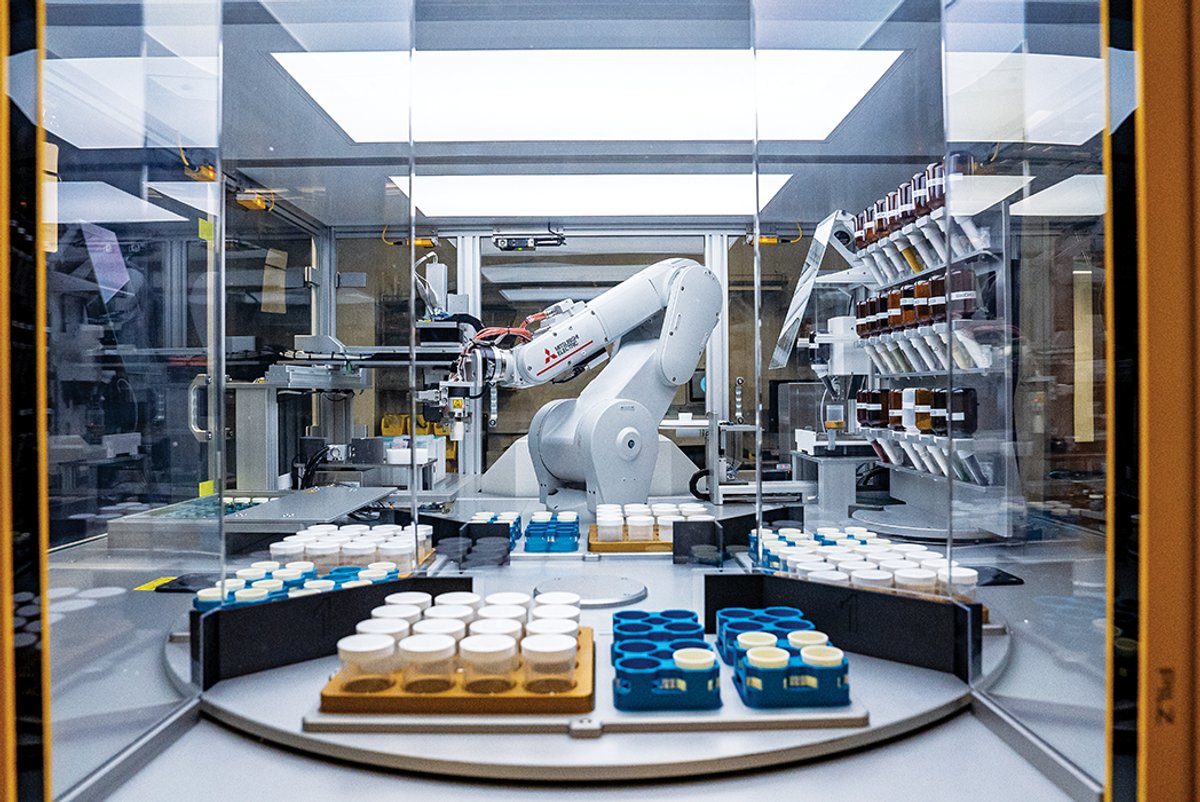
Some researchers are actively working to bridge these gaps. Projects, like those initiated by Julius B. Lucks at Northwestern University, aim to create automated systems for protein engineering. These systems will allow researchers to efficiently design and test proteins remotely.
Summary
While AI has made notable progress in specific scientific areas, significant hurdles remain, particularly in fields like biology and medicine. The effectiveness of AI depends on the type of tasks and validation processes involved. Moving forward, solutions will likely require a mixture of innovative approaches and incremental steps to unlock AI’s full potential in scientific research.


