The recent confirmation by the U.S. military regarding the deployment of weapons in space marks a significant shift in the landscape of modern warfare. This admission underscores the urgency of addressing the evolving threats posed by advancements in technology, particularly in the realms of drone warfare and AI-driven cyberattacks.
Air Force Secretary Troy Meink stated that the U.S. has developed space control weapons designed to protect military operations against adversaries, particularly in light of growing concerns about threats from China and Russia. While details regarding these weapons remain undisclosed, the potential risks posed by satellite interference from these countries are serious, given the reliance on space assets for military communications, intelligence, and operations.
The escalating competition in space raises fears of an arms race, as both Russia and China continue to test and develop their own space weapons. Observers highlight the need for robust defense capabilities to protect satellites, as any disruption could severely hinder military effectiveness.
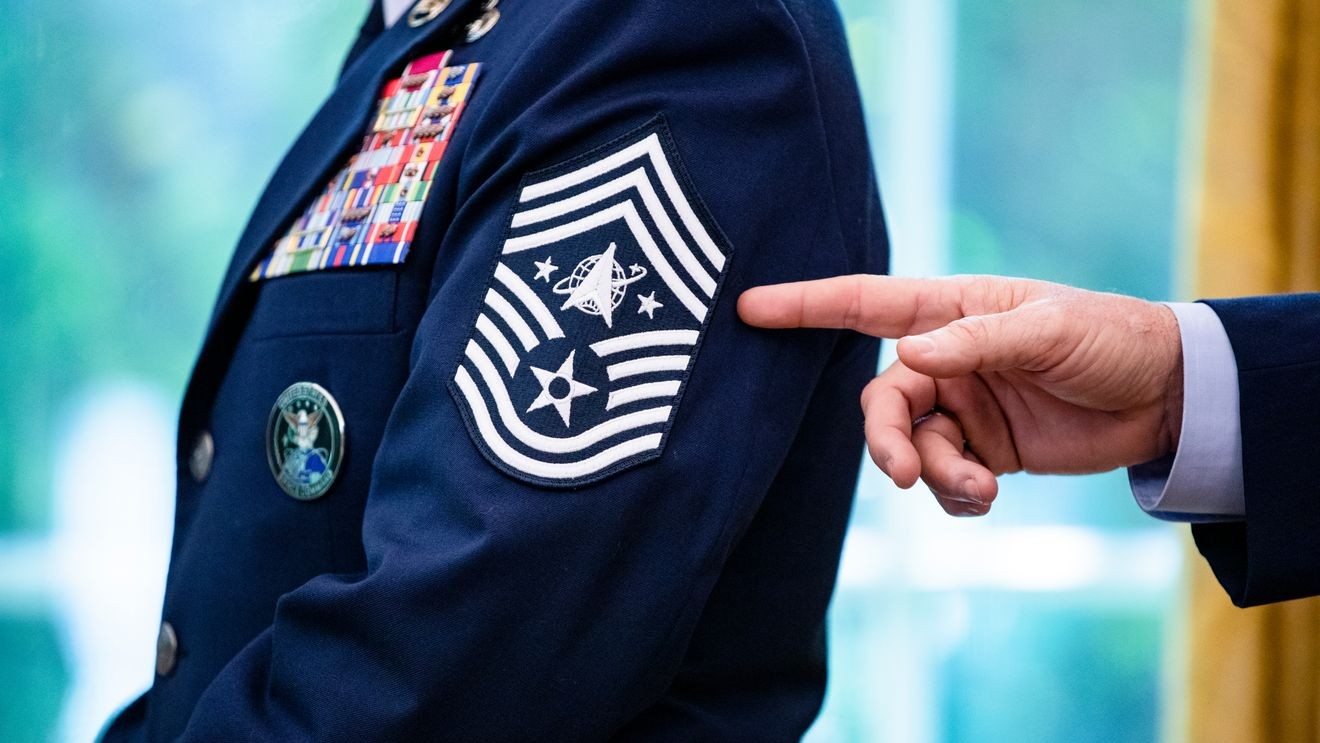
The Trump administration’s establishment of the Space Force and its push for enhanced space-based defense capabilities signal a broader strategic focus on maintaining U.S. dominance in this arena. Meanwhile, China has urged the U.S. to avoid escalating tensions by expanding its military presence in space, framing the situation as a potential catalyst for a global arms race.
International legal frameworks such as the Outer Space Treaty of 1967 restrict nuclear weapons in space but do not address other conventional weaponry, leaving room for conflict as nations pursue their interests in space militarization. The dynamics of space warfare remain complex and perilous, as countries navigate national security, technological advancements, and strategic stability.


